
Over the centuries, Bahrain’s location at the crossroads of the Arabian Gulf, Persia, India and East Africa shaped a cuisine defined by trade, pearls and hospitality. Pearl divers and merchants brought spices, techniques and ingredients that fused with local Bedouin and coastal practices to produce dishes that speak of sea and spice. Traditional flavors reflect saffron, cardamom, turmeric and dried limes layered over rice, fish and slow-cooked meats.
Signature dishes anchor the culinary heritage: machboos, a spiced rice with lamb, chicken or fish; ghoozi, a whole roast lamb served over fragrant rice and nuts at celebrations; balaleet, sweet saffron vermicelli topped with spiced eggs; muhammar, caramelized rice often paired with fried fish; and harees, a wheat-and-meat porridge with a comforting texture. Bahrain’s halwa-a gelatinous, saffron-and-rosewater sweet studded with nuts and sesame-remains a ceremonial favorite, while mahyawa and rich seafood stews underline the island’s maritime roots.
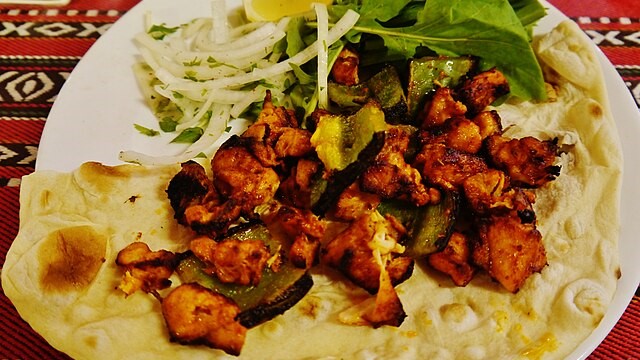
Markets and street food are the easiest ways to trace culinary history. Manama’s Bab al Bahrain and the surrounding souqs offer spices, dried fruits and halwa shops that have operated for generations. Morning markets sell fresh hammour and shrimp, while small eateries serve samboosa, grilled skewers and hand-stretched bread. Coffee shops pour gahwa with cardamom and offer dates as a social bridge; sharing plates and communal dining are woven into everyday hospitality.
Contemporary Bahrain blends tradition with global influences. Chefs reinterpret classic recipes with modern techniques, and fusion restaurants in Manama mix Gulf flavors with Persian, Indian and Levantine elements. Food festivals, pop-up kitchens and waterfront dining along the Corniche spotlight local seafood and inventive plating, while a growing interest in sustainable sourcing has spurred urban gardens and farm-to-table initiatives.
Culinary travel in Bahrain is both sensory and social: it invites visitors to taste history in spice-laden rice, to watch pearling era stories reflected in seaside flavors, and to participate in rituals of sharing. Whether through a bustling souq snack, a celebratory ghoozi, or a quiet cup of gahwa in a majlis, the island’s food culture offers a compact, layered journey from past to present.