
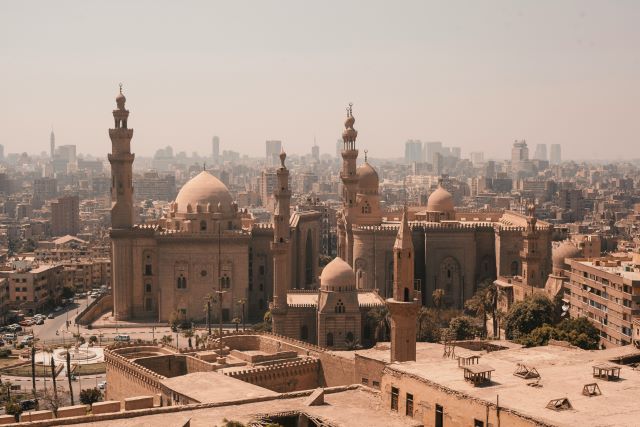
Egypt stands at a significant juncture in its political development, navigating the complex transition from revolutionary upheaval toward institutional consolidation and democratic maturation. The nation’s political system continues to evolve through constitutional frameworks, electoral mechanisms, and governance structures designed to balance competing interests while building sustainable institutional capacity.
Constitutional Foundation and Governance Framework
Egypt’s political architecture rests on a constitutional foundation that has undergone substantial revision in recent years. The 2014 Constitution established the current legal framework, creating a presidential system with separated powers distributed across executive, legislative, and judicial branches. This constitutional structure reflects lessons learned from previous governance models and incorporates mechanisms intended to strengthen institutional checks and balances.
The President holds significant executive authority while operating within constitutional constraints. The legislature functions as a directly elected body responsible for legislation, budget approval, and oversight of executive action. The judiciary maintains independence in interpreting constitutional provisions and resolving disputes. This separation of powers creates a system where multiple institutions share responsibility for governance, requiring cooperation and negotiation across branches to achieve policy objectives.
Electoral Processes and Political Participation
Egypt’s electoral system represents a crucial mechanism for political participation and representation. Parliamentary elections employ mixed voting systems combining individual constituency contests with proportional representation, designed to encourage both local accountability and broader coalition-building. The electoral framework has evolved to incorporate mechanisms intended to increase transparency and facilitate broader political participation across different demographic and geographic constituencies.
Presidential elections proceed through direct popular voting, establishing clear popular mandates for executive leadership. Multiple candidates typically contest these elections, reflecting diverse political perspectives within Egyptian society. The electoral process itself continues to benefit from institutional improvements in voter registration systems, polling procedures, and result verification mechanisms that strengthen the integrity of democratic contests.
Political Parties and Institutional Development
Egypt’s political party system encompasses diverse ideological orientations, including nationalist, Islamist, centrist, and progressive movements. Political parties serve as crucial institutions for aggregating interests, developing policy platforms, and mobilizing electoral support. Party development remains an ongoing process, with parties strengthening internal organizational capacity, expanding grassroots membership networks, and professionalizing administrative functions.
The party system reflects Egypt’s diverse social composition and competing visions for national development. Parties operate under a legal framework that establishes registration requirements and operational guidelines while protecting political freedoms. Parties participate across multiple levels of governance, from local municipal councils to national parliamentary institutions, creating interconnected networks of political representation and accountability.
Civil Society and Democratic Space
Civil society organizations play increasingly important roles within Egypt’s political landscape, complementing state institutions and providing platforms for citizen engagement. Non-governmental organizations, professional associations, labor unions, and grassroots movements contribute expertise, mobilize constituencies around policy issues, and hold both state and private sector institutions accountable. These organizations strengthen democratic practices by facilitating dialogue, building consensus on complex issues, and amplifying citizen voices in policy development.
Media institutions, including both state and privately-owned outlets, contribute to the information environment essential for informed political participation. Press freedoms and media access create spaces for political debate and public accountability. Expanding digital connectivity and social media platforms introduce new channels for political communication and citizen engagement, though these developments also create opportunities and challenges for information quality and democratic discourse.
Governance Challenges and Reform Directions
Egypt’s political system continues addressing longstanding governance challenges that shape institutional performance. Bureaucratic efficiency, corruption reduction, and rule-of-law strengthening remain areas where continuous improvement efforts are underway. Anti-corruption initiatives seek to enhance transparency in government contracting, public procurement, and resource allocation. Judicial reform programs aim to strengthen court efficiency and case management, reducing backlogs and improving access to justice.
Decentralization efforts distribute authority and resources toward local and regional governance bodies, potentially enhancing responsiveness and reducing central bottlenecks. Municipal councils and governorate administrations acquire expanded responsibilities in service delivery, infrastructure development, and local planning. These institutional developments create multiple centers of political authority and decision-making, distributing both accountability and opportunity for citizen engagement across governance levels.
Regional Security and Institutional Resilience
Egypt’s political institutions operate within a complex security environment that shapes governmental priorities and organizational capacity. Managing security challenges across the Sinai Peninsula, the Red Sea region, and the Nile Valley requires sustained institutional effort and resource allocation. Military and security sector institutions balance counterinsurgency operations with broader national defense responsibilities, operating under civilian political oversight established through constitutional and legal frameworks.
This security context shapes institutional development priorities and government resource allocation but also demonstrates the resilience of political structures in managing multiple competing demands. Institutions continue developing improved coordination mechanisms, intelligence capacity, and counterterrorism strategies designed to address security threats while maintaining the civilian control and democratic accountability fundamental to constitutional governance.
Economic Policy and Political Stability
Egypt’s political institutions engage continuously with complex economic challenges that shape public expectations and political dynamics. Inflation management, currency stability, fiscal balance, and employment generation remain central policy concerns requiring coordinated institutional response. Central Bank independence in monetary policy implementation operates within broader political frameworks established through legislative oversight and executive-legislative coordination.
Economic reform programs designed to attract foreign investment, rationalize public enterprises, and improve fiscal sustainability proceed through institutional processes involving multiple governmental actors. These economic policy directions reflect political choices negotiated across institutional boundaries, demonstrating how political structures mediate between technical economic requirements and broader social preferences.
Outstanding questions
How will Egypt’s institutional capacity for public service delivery evolve as decentralization initiatives transfer greater authority toward local and regional governance bodies, and what mechanisms will ensure accountability and coordination across governance levels?
What approaches will Egypt’s political institutions pursue to strengthen rule of law and judicial independence while managing competing pressures for security, efficiency, and citizen access to justice across an expanding population?
How will Egypt’s political system adapt to incorporate emerging demographic realities, youth aspirations, and digital-era communication patterns while maintaining institutional stability and constitutional governance?
Sources