
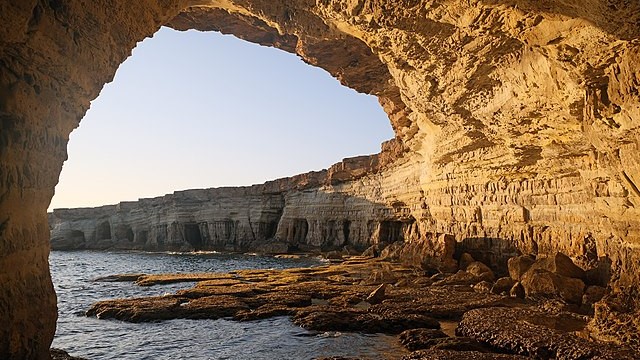
Cyprus is an island where geology, climate and sea combine to create a compact mosaic of landscapes that have guided human life and biodiversity for millennia. Tectonic uplift and Mediterranean weather patterns produced steep mountains, fertile plains and dramatic coastlines that define the island’s character.
The Troodos Mountains are a defining geological feature: an exposed ophiolite complex representing ancient oceanic crust thrust above sea level. Their basaltic and ultramafic rocks influence soil chemistry, support dense pine and cedar forests, host cool microclimates and feed seasonal streams and waterfalls that sustain mountain villages and endemic plants.
The Akamas Peninsula and Avakas Gorge showcase limestone sculpting and karst erosion, producing narrow ravines, dramatic cliffs and isolated pockets of endemic flora. Coastal headlands and secluded bays here provide critical nesting beaches for loggerhead and green turtles, while the rugged land-sea interface supports rich marine life and protected marine reserves.
Larnaca Salt Lake and other seasonal wetlands serve as important stopovers for migratory birds. Flamingos, waders and numerous migrating species rely on these saline flats and reedbeds, which also preserve sedimentary records of past sea-level changes and human interaction with the shoreline.
Cyprus’ coastlines are shaped by wave action and sea-level fluctuations, forming sea caves, arches and bays – features visible at Cape Greco, Ayia Napa and the Akrotiri cliffs. These coastal formations have influenced the location of ancient harbors and modern tourist coves, while submarine terraces and fossil beaches reveal Pleistocene history that helped scientists reconstruct climate shifts in the eastern Mediterranean.
The island’s climate gradient from hot coastal plains to cool mountains dictates agricultural patterns: vineyards on mineral-rich slopes produce historic wines, olive groves stretch across the lowlands, and irrigated cereal plains grow where rivers and dams permit. Native species such as the Cyprus mouflon and numerous endemic plants persist in protected forests and isolated gorges, underscoring the importance of conservation to maintain the natural processes that continue shaping Cyprus’ landscapes.