
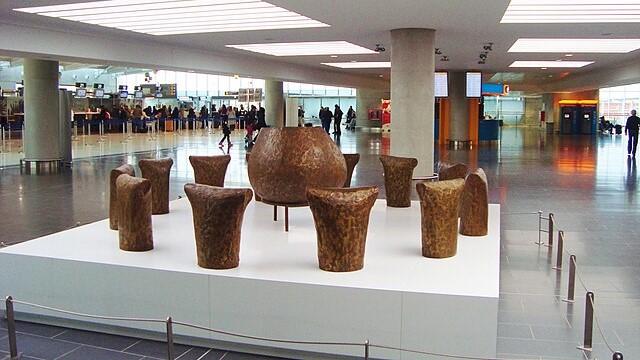
Over the millennia, Cyprus has held on to a distinctive cultural fabric that weaves ancient customs into daily life. Island geography and successive waves of influence have produced rituals, crafts and communal habits that continue to mark celebrations, rites of passage and seasonal work. Even in coastal cities with glass facades and start-up hubs, echoes of village rhythms shape family gatherings, market stalls and public festivals.
Family and community remain central: multigenerational households share meals and observe religious calendars that structure the year. Orthodox Christian observances such as Easter involve midnight liturgies, red-dyed eggs, and communal spit-roasting of lamb, while local saints’ days bring panigiria-village feasts with music, food and dancing. Such events reinforce social bonds and provide regular occasions for passing skills and stories between generations.
Culinary tradition is a living archive: meze, olive oil-based dishes, citrus and halloumi define local tables, and small-scale producers sustain older techniques of cheese-making, olive pressing and distilling zivania. Artisanal crafts remain visible in markets and ateliers. Lefkara lace, wood carving, pottery and basketry are taught in workshops and sold in markets, sustaining livelihoods and visible links to local histories.
Music and dance continue to animate public life. Ensembles using lute-like instruments, tambourines and bowed fiddles accompany syrtos and sousta dances at weddings and festivals, while contemporary musicians often blend traditional melodies with modern arrangements. Wedding rituals retain symbolic elements-processions, blessing rites and communal feasts-that adapt over time but preserve core gestures of hospitality and mutual support.
Preservation today mixes formal and informal methods: cultural centers, municipal programs and cooperative networks document oral histories, teach traditional crafts and sponsor seasonal festivals that attract both residents and visitors. Tourism and media have created incentives to present heritage authentically while allowing creative reinterpretation by younger generations. The result is not a fossilized past but a set of practices that adapt, circulate and remain widely felt across Cyprus, ensuring that tradition stays integral to island identity even as daily life modernizes.