
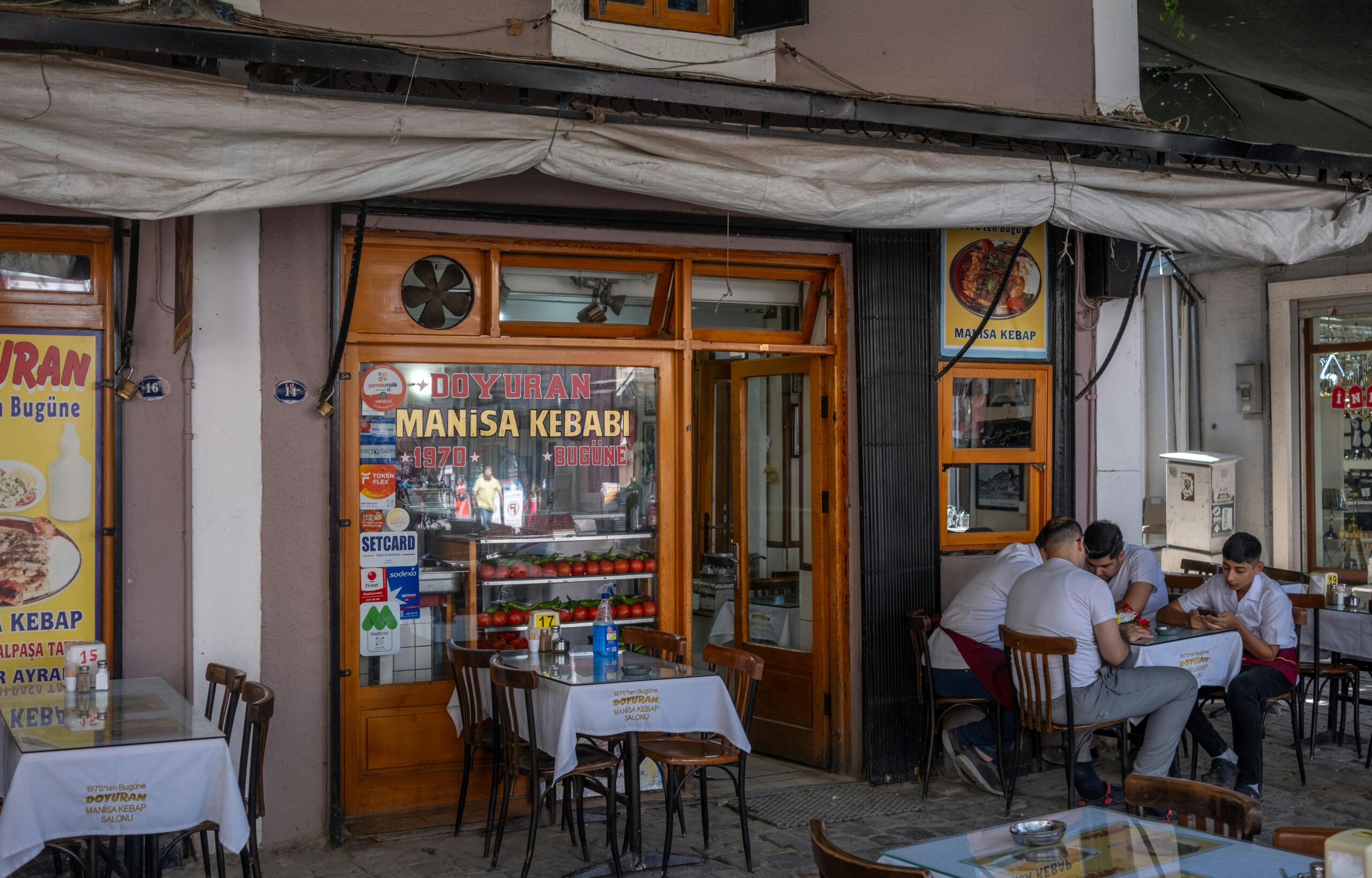
It’s the epicenter of Turkish kebab tradition, where artisans craft Antep kebabı, Beyti, and Ali Nazik using regional spices, centuries-old techniques and charcoal grills; this guide highlights signature recipes, tasting tips, and cultural context.
Gaziantep: The UNESCO City of Gastronomy
Gaziantep’s status as a UNESCO City of Gastronomy reflects centuries of refined kebab craft, market culture, and artisanal techniques that shape southeastern flavors.
Historical Evolution of Southeastern Culinary Traditions
Histories of southeastern cuisine trace influences from Anatolian empires, Arab trade routes and nomadic traditions, creating layered kebab recipes and spice blends.
The Significance of the “Zırh” Hand-Chopping Technique
Artisans use the zırh hand-chopping technique to control fat distribution and texture, producing kebabs with a distinctive chew and intensified flavor.
Blade rhythm and precise wrist motion during zırh preserve meat fibers while incorporating air, yielding a tender bite and better spice adhesion.

The Foundation of the Gaziantep Kebab
Anatolian kitchens rely on a precise balance of minced local lamb and tail fat, lightly seasoned and shaped for open grill roasting, creating the tender texture and rich baseline flavor central to Gaziantep kebabs.
Sourcing Premium Local Lamb and Tail Fat
Pasture-raised lamb and rendered tail fat supply the fatty, nuanced profile Gaziantep chefs demand; butchers vet maturity, diet and cut to ensure consistent melt and mouthfeel on the skewer.
The Role of Oak Charcoal in Flavor Profiles
Oak-fired charcoal lends a subtle, honeyed smoke and steady heat, allowing quick searing while infusing a signature aroma that complements rather than masks the meat.
Smoke from aged oak produces a clean, sweet-smoke profile prized in Gaziantep; pitmasters manage ember size, distance and airflow to build a thin, caramelized crust while preserving internal juiciness, yielding complex but balanced kebabs.

Iconic Minced Meat Varieties
Gaziantep’s minced kebabs showcase time-honored blends of lamb, fat, and spices, grilled to smoky perfection and served with flatbread and pickles.
Kıyma Kebabı: The Hand-Minced Classic
Hand-minced Kıyma kebabı combines coarsely chopped lamb and tail fat, seasoned simply with salt and pepper, then grilled on wide skewers for caramelized edges.
Sebzeli Kebab: Integrating Fresh Garlic and Parsley
Sebzeli kebab mixes minced meat with fresh garlic and parsley, adding brightness and moisture, then grilled briefly so herbs retain vivid aroma and the meat stays tender.
Parsley and garlic are folded into minced lamb in small quantities-roughly one handful of parsley and two cloves per 500g-to lift richness without overpowering. Chopping herbs finely and using very fresh garlic prevents large raw pockets; chilling the mixture before grilling helps maintain shape and promotes even sear. Serving with plain yogurt or a squeeze of lemon accentuates herbaceous notes and cuts fat.
Seasonal and Fruit-Based Specialties
Gaziantep’s kebab tradition embraces seasonal fruits and regional truffles, pairing citrus, pomegranate molasses and loquat with grilled meats to add brightness, acidity and aromatic depth to classic skewers.
Soğan Kebabı: Winter Onion Skewers with Pomegranate Molasses
Soğan kebabı roasts whole winter onions on skewers until sweet and charred, finished with tart pomegranate molasses and a sprinkle of Aleppo pepper for balance and warmth.
Yenidünya and Keme: Loquat and Truffle Seasonal Variations
Loquat and keme pairings appear seasonally, glazing grilled lamb with sweet-tart fruit or shaving regional truffle over kebabs to impart earthy perfume that complements smoky meat.
Regional harvests dictate timing: loquat arrives in late spring, often macerated with citrus and reduced into a glossy glaze for skewers or chopped into fresh chutneys to cut fattiness. Truffle (keme) emerges in autumn; thin shavings are warmed over kebabs or infused into butter to finish plates, delivering an immediate, lingering earthiness. Chefs balance sweetness and umami by moderating sugar and acid, and vendors showcase single-ingredient highlights rather than overcomplicating sauces.
Prime Cuts and Skewered Delicacies
Gaziantep’s grilling tradition spotlights prime lamb cuts and skewered preparations, where charcoal and minimal seasoning amplify natural flavor while local spices add measured warmth.
Tike Kebabı: Marinated Lamb Cubes
Tike turns tender lamb cubes marinated in yogurt, cumin, and paprika, then grilled on skewers for juicy, charred bites.
Küşleme: The Rare Lamb Tenderloin Specialty
Küşleme celebrates the lamb’s rare tenderloin, seared briefly over high heat to preserve buttery texture and subtle lamb flavor.
Chefs prize küşleme for its scarce portion and fine marbling; taken from the lamb’s spine area, it’s grilled moments to retain soft, buttery strands and presented with salt, flatbread, and a squeeze of lemon to highlight pure meat character.
Essential Accompaniments and Table Etiquette
Local dining pairs kebabs with fresh salads, grilled peppers, and flatbreads; shared plates, oral toasts, and passing utensils reflect Gaziantep’s communal table etiquette-eat at a relaxed pace, sample from the middle, and follow the host’s lead when serving tea or ayran.
Gavurdağı Salad and Sumac-Inflected Onions
Gavurdağı salad combines crushed tomatoes, peppers, parsley, and tangy pomegranate molasses; sumac-sprinkled onions cut the richness of kebabs and brighten each bite, served on the side to mix as you prefer.
Traditional Copperware and Frothy Open Ayran
Copperware and frothy open ayran are staples at Gaziantep tables; the metal keeps ayran cool while hand-beaten foam and salted yogurt refresh the palate between rich, spiced kebab bites.
Ayran is often whisked in copper bowls until a velvet foam forms; servers ladle the froth into tulip-shaped copper or brass cups that cool quickly and add a faint metallic aroma. Guests sip between bites to cleanse the palate; the ayran’s saltiness is modest to complement, not overpower, charcoal-charred lamb and peppery spices.
To wrap up
Conclusively Türkiye Food Guide highlights Gaziantep’s traditional kebabs as enduring symbols of regional technique, local ingredients, and communal dining; detailed recipes and tasting notes help travelers and chefs appreciate authentic flavors and culinary heritage.