
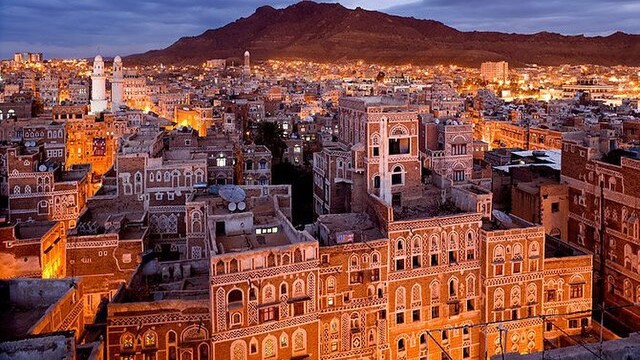
You can explore Sana’a Old City’s UNESCO-listed architecture, bustling souks, historic mosques and towering mud-brick houses. This guide highlights must-see sites, practical tips and cultural context.
The Historic Gateway: Bab al-Yemen
Bab al-Yemen stands as the stone gate to Sana’a Old City, its carved arch anchoring streets where merchants and incense sellers cluster beneath ornate towers.
History of the Ancient Fortifications
Origins trace to medieval city defenses, with successive rulers adding towers, crenellations and inscriptions that reflect Sana’a’s strategic and cultural importance across centuries.
Navigating the Entry to the Living Museum
Entering beneath the arch often involves a small fee during busy times; pass through security checks, and follow the main alley to reach key souks, mosques, and viewpoints.
Local guides assist with permits and etiquette, advise modest dress, and help identify restricted photography areas; visiting early or late reduces crowds and offers the best light for photographing the centuries-old facades.
The Great Mosque of Sana’a (Al-Jami’ al-Kabir)
Construction began in the 7th century, and the mosque’s coral-block walls, carved wooden minbar, and layered expansions reflect centuries of continuous worship and community life.
Early Islamic Architectural Significance
Design elements combine Yemeni masonry with early Islamic motifs, offering valuable insight into regional adaptations of mosque architecture and decorative programs.
The Discovery of the Sana’a Manuscripts
Discovery in the 1970s revealed palimpsests and Quranic fragments that challenge assumptions about early Qur’anic transmission and textual variants.
Scholars have used radiocarbon dating and multispectral imaging on the Sana’a findings, tracing layers of script and corrections that suggest local copying and editorial practices.
Iconic Tower Houses and Gingerbread Architecture
Sana’a’s skyline is defined by tall, ornate tower houses topped with decorative gypsum and patterned windows, their gingerbread facades combining aesthetic detail with climatic practicality.
Traditional Construction with Burnt Brick and Qadad
Local craftsmen built thick walls from fired brick and coated interiors with Qadad lime plaster, producing durable, breathable surfaces that buffer heat and moisture across seasons.
Understanding the Vertical Living Concept
Families occupy distinct floors: storage and workshops below, living rooms mid-level, private sleeping quarters and guest spaces above, making efficient use of limited plots.
Households rely on narrow staircases and stacked courtyards to separate public and private life, with mashrabiya screens, rooftop terraces for ventilation and socializing, and thermal mass that stabilizes indoor temperatures.
The Vibrant Commerce of Souq al-Milh
Souq al-Milh pulses with activity, its narrow lanes lined with stalls selling coffee, incense, copperware and produce; bargaining is brisk and the mix of aromas, colors and calls defines Old Sana’a commerce.
Specialized Markets and Traditional Trade
Local specialized markets concentrate on leather, brass, silver and spices, where craftsmen trade directly and traditional techniques remain on display.
Sourcing Spices, Textiles, and Jambiyas
Shoppers can source cardamom, fenugreek, saffron and whole spices, bartering for bolts of woven cotton, embroidered thobes and ornate jambiyas.
Merchants often present provenance and offer graded samples; inspect jambiya blades and leather sheaths, inquire about dye methods for textiles, and judge spice freshness by aroma while bargaining courteously to reach a fair price.
Hidden Urban Oases: The Bustans and Hammams
Sana’a’s tucked-away bustans and steam-filled hammams offer cool refuge, fragrant fruit trees and quiet shade; they anchor neighborhood life and reveal daily rhythms that visitors rarely see.
The Role of Communal Gardens in the Old City
Small communal gardens serve as private lungs, supplying herbs, citrus and respite for families while preserving ancient irrigation traditions and social networks.
Historic Bathhouse Culture and Preservation
Steam-filled bathhouses remain living monuments where ritual, hygiene and conversation converge; limited restoration efforts aim to stabilize structures and revive skilled attendants.
Bathhouses in the Old City trace techniques and layouts back centuries: sequential warm, hot and cool rooms, marble basins, and wood-fired stoves. Skilled attendants maintain heating systems and soap rituals; preservation faces threats from neglect, conflict and shifting sanitation norms. Conservation projects prioritize structural stabilization, documentation, and training of local artisans to ensure authentic reuse rather than modern replacement.
Practical Logistics and Cultural Etiquette
Sana’a Old City requires planning: carry local ID, have cash for markets, and use licensed guides for narrow alleyways. Respect prayer times and be punctual for arranged visits; public transport can be irregular, so confirm schedules and contacts before heading out.
Respecting Local Customs and Dress Codes
Locals expect modest dress: shoulders and knees covered for both genders, conservative colors preferred. Ask permission before photographing people or private homes, and follow mosque rules-remove shoes and speak softly during visits.
Current Safety Guidelines for International Visitors
Visitors should register with their embassy, check travel advisories daily, and avoid after-dark walks in unfamiliar districts. Travel with vetted local guides, share itineraries with contacts, and carry emergency numbers and basic first-aid supplies.
Embassies advise using trusted transport, avoiding large gatherings and checkpoints when possible, and maintaining a low profile. Keep digital and paper copies of passports, limit social media location sharing, and follow instructions from security personnel or your guide to reduce risk during unpredictable situations.
To wrap up
With these considerations, Sana’a Old City offers a compact, UNESCO-listed experience where mud-brick tower houses, Al-Bakiriyya Mosque, and vibrant souks reward cautious travelers; prioritize local guides, respect cultural norms, and monitor security updates to enjoy historical architecture and living markets safely.