
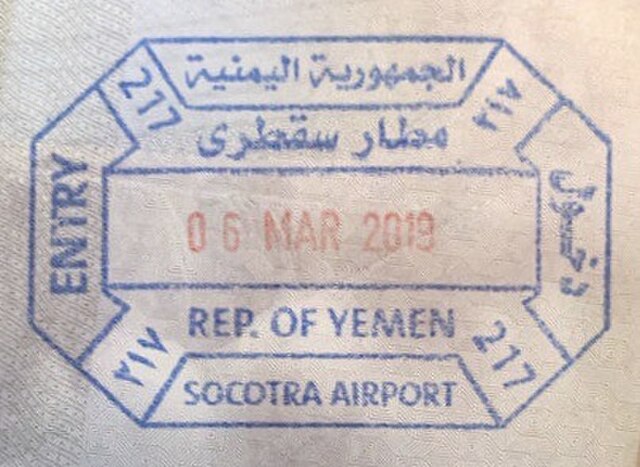
Yemen requires visitors to secure appropriate visas and permits before travel; this guide explains entry rules, application steps, documentation, and consular contacts to help travelers comply with current regulations.
General Entry Requirements and Passport Regulations
Visitors must present a valid visa or entry permit, proof of onward travel, and a passport meeting Yemeni requirements. Authorities may request additional documents or advance clearance for certain nationalities, and health or security checks can be enforced on arrival.
Passport Validity and Blank Page Criteria
Passports need at least six months’ validity beyond the intended departure date and a minimum of two blank visa pages. Temporary, damaged, or non-machine-readable passports may be refused at entry or during visa processing.
Restrictions Regarding Israeli Entry Stamps
Israeli passport stamps or evidence of travel to Israel can lead to entry refusal to Yemen; many Yemeni visa applications require a passport free of Israeli stamps. Applicants with such stamps should consult consular services before applying.
Travelers with Israeli stamps can request a second passport from their issuing authority, ask immigration to stamp on a separate paper when possible, or renew the passport prior to application. Contact the Yemeni consulate for specific acceptance policies and any required supporting documents to prevent delays or denial.
Types of Yemeni Visas and Permits
Yemen issues multiple visa types for tourism, short visits, business, work, and diplomatic missions, each with specific requirements, validity periods, and documentation. Processing and issuance depend on nationality, consular availability, and security clearances.
- Tourist
- Short-term Visit
- Business
- Work
- Diplomatic
| Tourist | Leisure and family visits, usually short-term |
| Short-term Visit | Medical, transit, or private visits with limited validity |
| Business | Commercial travel, meetings, requires sponsor documents |
| Work | Employment-based permits tied to employer sponsorship and vetting |
| Diplomatic | Official missions processed through foreign ministries and embassies |
Tourist and Short-Term Visit Visas
Tourist visas permit short leisure or family stays, commonly 30-90 days, and may require proof of accommodation, return tickets, and health documentation; nationals of some countries need prior consular approval.
Business, Work, and Diplomatic Permits
Business and work permits usually require employer sponsorship, contracts, and security vetting, while diplomatic visas follow formal accreditation through foreign services and offer special privileges.
This category demands coordinated paperwork between employers, Yemeni authorities, and foreign missions, including authenticated employment contracts, sponsor letters, police clearances, medical checks, and residence permit procedures; processing times and entry approvals vary, so submit applications well ahead of travel and confirm specific embassy requirements.
The Visa Application and Security Clearance Process
Applications require embassy submission plus a mandatory Yemeni security clearance; expect background checks that can take several weeks and ensure complete sponsor details and supporting documents to minimize processing delays.
Step-by-Step Submission via Embassies or Consulates
Submit a completed form, passport, photos, visa fee, sponsor contact and LOI at the embassy or consulate, attend any biometric appointment, and await embassy transmission of your file for central security screening.
Visa Application Summary
| Requirement | Notes |
|---|---|
| Passport & photos | Valid for at least six months; recent photos |
| Visa form & fee | Submit at embassy; fees vary by nationality |
| Letter of Invitation (LOI) | Issued by Yemeni sponsor and cleared by authorities |
| Security clearance | Central screening may take several weeks |
Obtaining the Mandatory Letter of Invitation (LOI)
Obtain the LOI from a Yemeni sponsor or employer, ensuring it lists host details, purpose, travel dates and sponsor identification before embassy submission and security processing begins.
Sponsors request LOIs through the Yemeni Ministry or local immigration office, providing the applicant’s passport copy, company registration or host ID, travel itinerary and a justification letter; processing times vary, and authenticated scanned copies should be forwarded to the embassy promptly.
Essential Documentation for Foreign Nationals
Passport with at least six months’ validity, current visa pages and a completed application form are mandatory, plus one passport photo, travel itinerary and proof of accommodation; certain nationals must present an invitation or sponsor letter.
Proof of Financial Sufficiency and Onward Travel
Bank statements, three months of payslips or a sponsor affidavit normally demonstrate financial sufficiency; airlines and immigration may also request an onward or return ticket to confirm departure plans.
Health Certifications and Mandatory Insurance
Vaccination certificates, notably yellow fever if arriving from endemic areas, and any required COVID paperwork must be presented; proof of comprehensive travel health insurance covering medical evacuation is frequently required.
Medical certificates should state immunization details and issue date; yellow fever cards must be valid on entry and some airlines enforce checks. Obtain tests and certificates from accredited clinics, secure insurance policies that include repatriation and COVID treatment, and carry both originals and electronic copies for inspection.
Internal Movement Permits and Security Protocols
Movement between Yemeni governorates often requires permits from security authorities; travelers should carry passports, visas and travel orders, and expect checkpoints and vehicle inspections.
Registering with Local Authorities Upon Arrival
All arrivals must register with local police within 48 hours, presenting passport, visa and accommodation details; failure to register can prompt fines or questioning.
Special Permissions for Restricted Provinces
Access to restricted provinces requires advance permission from Yemeni security or military authorities, typically arranged through embassies, official sponsors or authorized agencies.
Applicants must submit detailed itineraries, host letters and background information; processing can take weeks and approvals often limit travel routes, timings and accompanying personnel. Coordination with UN agencies or recognized NGOs can expedite clearance for humanitarian operations, while private travelers commonly face stricter scrutiny and possible escort requirements.
Visa Extensions and Overstay Regulations
Extensions must be applied for before visa expiry at Yemeni immigration offices or consulates; approvals depend on purpose, documentation, and security checks. Overstays incur fines and possible detention, so apply early and keep proof of submission.
Procedures for Legal Stay Adjustments
Applicants should submit a written request, passport, current visa, and supporting documents to immigration; processing times vary, and interviews or security clearances may be required. Approval is discretionary and may involve fees.
Penalties and Deportation Procedures for Non-Compliance
Breaches of visa rules can result in fines, detention, and formal deportation proceedings; re-entry bans are possible. Local authorities determine enforcement according to security assessments.
Deportation procedures often include temporary detention, administrative hearings, issuance of a removal order, and coordination with the traveler’s embassy; fines and legal records typically precede travel restrictions and re-entry bans, with limited appeal options and required settlement of penalties before departure.
Conclusion
Considering all points, the Yemen Visa Guide outlines entry requirements, permit application steps, required documents, visa types, and security advisories, advising travelers to obtain authorization through official channels, verify current regulations with Yemeni authorities or embassies, and prepare clear documentation to reduce delays.