
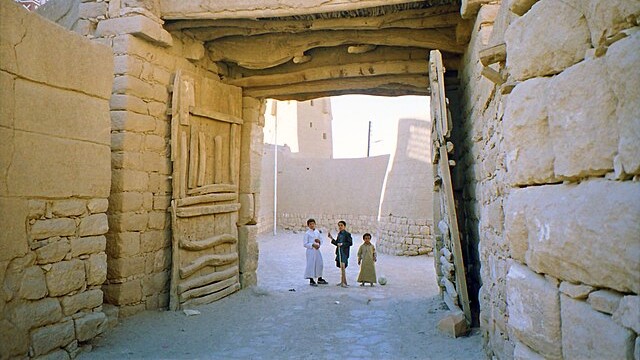
Over centuries Yemeni customs blend Islamic practice, tribal etiquette and deep hospitality; this guide outlines greetings, dress, gender norms and gift-giving to help visitors show respect.
Core Values and Religious Influence
Yemeni social norms are rooted in conservative values and Islamic practice, shaping dress, gender roles, and communal obligations while tribal codes intersect with faith to guide daily conduct and dispute resolution.
The Centrality of Islamic Principles
Islamic teachings inform public behavior, prayer rhythms, and festive observances; respect for religious leaders and adherence to modesty and charity expectations are woven into social interactions and legal customs.
The Concept of Karam and Tribal Hospitality
Karam, a code of honor, demands generous hospitality, protection of guests, and reciprocal obligations that reinforce social bonds and local prestige within tribal communities.
Hosts uphold social standing by offering elaborate meals, coffee rituals, and symbolic gifts; refusing such hospitality can cause offense, so visitors follow local etiquette, offering modest resistance before accepting. Elders and sheikhs guide expectations, and reciprocal visits or gifts cement alliances. These rituals signal honor, settle disputes, and structure social debt, making hospitality a key mechanism for community cohesion and reputation.
Greetings and Social Interaction
Social greetings often involve a warm handshake among men, cheek kisses between close acquaintances, and verbal blessings; mirror others’ cues and show respect by waiting to be invited before touching.
Traditional Salutations and Physical Contact
Handshakes are common between men; family and friends may exchange multiple cheek kisses. Eye contact is valued but modesty dictates limits. When unsure, offer a respectful verbal greeting and follow the local lead.
Gender-Specific Norms in Public Spaces
Public spaces often separate genders; men will approach stalls and talk freely, while women may keep physical distance and travel in female groups. Foreigners should observe seating and queuing patterns and accept gendered norms without offense.
Women commonly observe conservative dress and may avoid direct interaction with unrelated men; men should not initiate handshakes or close contact unless invited. Markets, transportation and cafés can have gendered areas, so follow local participants’ behavior and accept seating norms. Ask permission before photographing anyone, especially women, and conduct business through male intermediaries if protocol requires.
Dress Code and Personal Appearance
Dress in Yemen tends toward conservative, with long sleeves and loose clothing expected in public; colors and quality vary by region and occasion, but respectful attire signals cultural awareness and helps avoid unwanted attention.
Standards of Modesty for Men and Women
Men typically wear thawbs or western shirts with trousers, covering arms and legs; women usually choose abayas or modest dresses with headscarves in many areas, and tailoring toward modesty reflects local religious and tribal norms.
The Symbolic Significance of the Jambiya
Jambiya is a curved ceremonial dagger worn at the waist by many Yemeni men; it signifies honor, tribal affiliation and adult status, and removing or touching another’s jambiya is generally considered disrespectful.
Carrying a jambiya often signals family wealth and regional identity; high-status hilts use silver, ivory or horn and elaborate sheaths indicate craftsmanship. Worn at formal events, market districts and male gatherings, the dagger appears in rituals and dances. Outsiders should avoid touching or posing with someone’s jambiya without permission and must never display it aggressively.
Dining Etiquette and Culinary Traditions
Meals in Yemen emphasize hospitality and sharing; accept offered dishes politely, wash hands before eating, and use the right hand for serving and eating when using bread or communal platters.
Communal Eating and Table Manners
Guests often sit on floor cushions around a large platter; avoid placing utensils into shared dishes, take moderate portions, and finish what you take to show respect.
The Cultural Ritual of the Qat Session
Qat sessions are social gatherings centered on chewing qat leaves, where conversation, hospitality and tea accompany long, relaxed interaction; outsiders should observe respectfully and accept invitations cautiously.
During qat sessions hosts circulate fresh leaves and prepare tea while participants chew and discuss community matters for hours. Men typically dominate public sessions while women gather privately in many areas, and guests are offered qat as a sign of inclusion. Visitors should decline politely if uninterested, avoid photographing the gathering without consent, and respect local norms about timing and gendered spaces.
Family Structure and Social Hierarchy
Households center on kinship and clear social ranks, where clan ties and tribal allegiances shape obligations and decision-making across generations.
The Role of the Extended Family
Extended families provide daily support, shared resources, and collective childcare, with relatives often living nearby and stepping in during ceremonies or crises.
Respect for Elders and Authority Figures
Elders command deference; their counsel guides household choices and community disputes, while local leaders and imams hold significant social influence.
Authority figures expect formal greetings, use of honorifics, and patience when speaking; younger people defer in conversation, offer seats to elders first, and rarely contradict elders publicly to preserve family honor.
Public Conduct and Prohibited Actions
Public behavior must be conservative: modest dress, limited physical contact between unrelated men and women, and avoidance of loud or disruptive acts in religious or official settings; insulting religion, tribal leaders, or the state can provoke serious consequences.
Navigating Sensitive Conversation Topics
Conversations about politics, religion, family honor, or tribal disputes should be approached with caution; ask permission before debating sensitive topics and follow local cues to avoid offense.
Photography Restrictions and Privacy Customs
Photography of people-especially women-military sites, government buildings, and tribal gatherings is often forbidden without explicit consent; always ask first and respect refusals.
Local attitudes prioritize personal and family modesty, so avoid photographing private homes, women, or children without clear permission. Request consent verbally or with a gesture, offer to show the image, and delete it if asked; officials may confiscate cameras near sensitive facilities, so steer clear of photographing security installations, airports, or government offices.
Conclusion
Taking this into account, visitors should respect Yemeni hospitality, conservative dress, gender norms, greetings and privacy, accept invitations, ask permission before photographing, and observe local religious customs to ensure polite, safe interactions.