
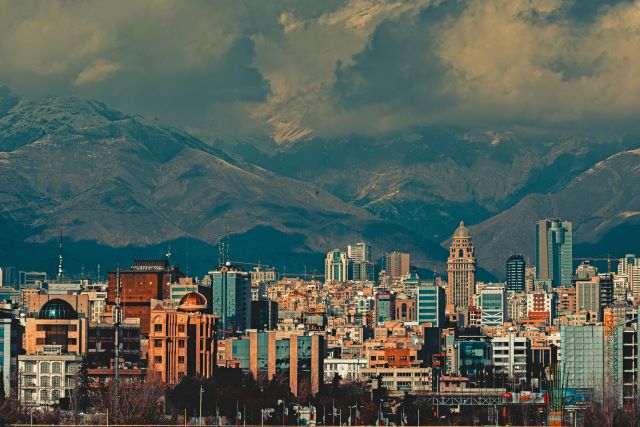
Iran operates under a unique hybrid political system that blends republican and theocratic elements, creating a distinctive governance model within the Middle East. The constitutional framework established in 1979 has undergone gradual adaptation while maintaining its core institutional architecture, shaping both domestic policy and regional engagement.
The Constitutional Foundation and Dual Power Structure
Iran’s political system rests on a 1979 constitution that established a complex division of authority between elected civilian institutions and religious oversight bodies. This framework created two parallel power centers: the Supreme Leader, a religious figure with control over the military and judiciary, and the President, who heads the executive branch and manages day-to-day governance. This dual structure reflects the revolution’s original vision of combining Islamic governance principles with representative elements.
The Guardian Council, composed of six clerics and six jurists, serves as a constitutional watchdog with the authority to review legislation and vet electoral candidates. The Assembly of Experts, comprising senior clerics, holds theoretical responsibility for selecting and monitoring the Supreme Leader. These institutions create multiple points of institutional power, which can generate both stability through distributed authority and complexity in policy implementation.
Electoral Processes and Civic Participation
Iran conducts regular elections for its presidency, parliament, and local councils, mechanisms through which citizens exercise choice within the constitutional framework. Presidential elections occur every four years, with multiple candidates typically competing, allowing voters to select between different policy orientations. Parliamentary elections similarly take place on regular cycles, with hundreds of candidates competing across constituencies.
The electoral process demonstrates ongoing engagement with democratic participation mechanisms, though the Guardian Council’s candidate screening authority shapes the composition of the final ballot. This creates a system where voters select among approved candidates rather than determining the full range of available options. Voter participation varies across cycles, reflecting shifting public engagement with electoral politics. The system has shown capacity to produce contested races and genuine policy debates among competing candidates within the approved framework.
Regional Diplomacy and Strategic Positioning
Iran’s political system shapes its approach to regional engagement and international relations. The Supreme Leader maintains authority over foreign policy and nuclear matters, while the President manages diplomatic implementation. This structure can create both consistency in long-term strategic objectives and tactical flexibility in negotiations and regional partnerships.
The Iranian government engages actively in regional affairs through diplomatic channels, economic partnerships, and strategic initiatives across the Middle East. These efforts reflect both geopolitical competition with neighboring powers and attempts to build coalitions around shared interests. Iran pursues relationships with various regional actors, seeks to expand trade and economic partnerships, and participates in multilateral forums addressing regional security and development challenges. The government maintains active engagement with international bodies and has participated in major negotiations addressing regional conflicts and global concerns.
Institutional Adaptation and Governance Evolution
Iran’s political system has demonstrated capacity for institutional adaptation while preserving core constitutional elements. Successive administrations have pursued different policy emphases, from prioritization of nuclear negotiations to focus on economic development and sanctions relief. These variations reflect the system’s ability to accommodate different political orientations within its overall framework.
The bureaucracy and governmental institutions continue developing capacity in areas including technological innovation, economic management, and international engagement. Iran invests in human capital development, scientific research, and institutional modernization across government sectors. These ongoing improvements suggest potential for enhanced policy effectiveness and improved service delivery in coming periods. The government confronts persistent challenges including economic diversification, regional security dynamics, and international relations, yet maintains institutional mechanisms for addressing these issues through policy innovation and strategic adjustment.
Outstanding questions
How will Iran’s political system continue balancing centralized authority with expanded civic participation in addressing evolving economic and security challenges?
What mechanisms might evolve within the current constitutional framework to enhance policy coordination between the Supreme Leader’s office and the President’s administration?
How will Iran’s political institutions adapt their approaches to regional engagement as neighboring states recalibrate their own strategic positioning?
Sources