
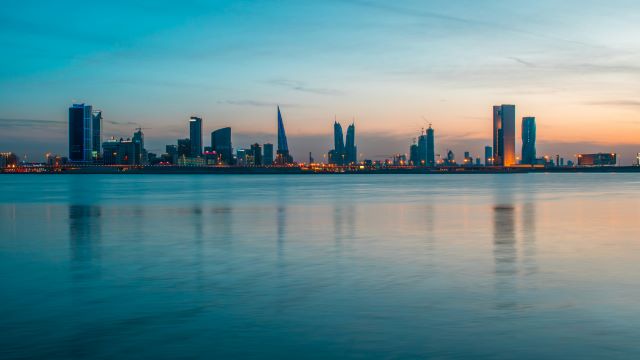
Bahrain operates as a constitutional monarchy in the Persian Gulf, positioning itself as a bridge between traditional Gulf governance structures and modernizing political institutions. The kingdom’s political system reflects ongoing efforts to balance hereditary leadership with consultative mechanisms, administrative reform, and economic diversification.
Constitutional Framework and Governance Structure
Bahrain’s governance rests on a dual legislative system established through its 2002 Constitution. The National Assembly comprises two chambers: the Council of Representatives, whose members are elected through popular vote, and the Shura Council, appointed by the monarch. This bicameral structure creates a deliberative framework where elected representatives and appointed advisors contribute to lawmaking and policy development.
The constitutional arrangement grants the King significant executive authority, including powers over cabinet appointments, foreign policy, and emergency measures. However, the presence of an elected chamber provides a mechanism for popular participation in governance. The Council of Representatives holds authority over budget matters, legislation, and questioning of ministers, creating points of accountability within the system. Electoral laws have undergone multiple revisions to adjust representation methods and expand participation opportunities.
Municipal Governance and Decentralized Administration
Beyond the national legislature, Bahrain has developed municipal governance structures designed to bring decision-making closer to local communities. The kingdom is divided into municipalities with elected councils that address local infrastructure, services, and development priorities. These councils manage matters including urban planning, waste management, and community engagement, creating multiple access points for citizen participation in governance processes.
The municipal system operates in parallel with national administration, with coordination mechanisms linking local and central government priorities. This decentralized approach allows different regions of Bahrain to address specific development needs while maintaining overall national cohesion. Investment in municipal capacity and service delivery continues to be a focus area for governance improvement.
Economic Governance and Diversification Initiatives
Bahrain’s political system increasingly grapples with economic governance challenges and opportunities. The kingdom historically relied on petroleum revenues, but has pursued systematic diversification toward financial services, aluminum production, petrochemicals, tourism, and logistics. This economic transition involves political decisions about resource allocation, regulatory frameworks, and sectoral development priorities.
The government has established specialized regulatory bodies and economic zones to support diversification goals. The Bahrain Development Bank, investment promotion agencies, and sector-specific authorities work within the governance structure to implement economic policy. Questions about fiscal sustainability, unemployment reduction, and equitable distribution of economic opportunities across demographic groups remain areas where governance frameworks continue to evolve. Political institutions face the ongoing task of managing economic expectations and ensuring that growth benefits reach diverse segments of the population.
Regional Integration and International Relations
Bahrain’s political identity is shaped significantly by its role within the Gulf Cooperation Council and broader Middle Eastern geopolitics. As a small island nation with limited hydrocarbon resources, the kingdom prioritizes regional stability, international commerce, and diplomatic relationships. These external considerations influence domestic governance decisions, including security policies, foreign investment frameworks, and diplomatic initiatives.
The country maintains strategic partnerships with neighboring Gulf states and international actors, with these relationships informing national security policy and economic strategy. Border issues, maritime commerce, and regional conflicts create ongoing considerations for political decision-makers. Bahrain’s geographic position between larger regional powers influences how the kingdom constructs its political identity and manages internal cohesion. Governance institutions address the challenge of maintaining stability while engaging constructively with multiple regional actors.
Institutional Development and Reform Dynamics
Bahrain’s political system has experienced cycles of reform initiatives and institutional adjustments. Periodic reviews of electoral systems, constitutional provisions, and administrative structures reflect ongoing efforts to enhance governance effectiveness and broaden participation. Human rights mechanisms, including the Ombudsman institution and various oversight bodies, work to address grievances and improve administrative accountability.
Civil society organizations, professional associations, and labor unions operate within parameters set by governance regulations, creating spaces for civic engagement outside formal government structures. These non-state actors play roles in public discourse, community development, and advocacy on specific policy areas. The relationship between state institutions and civil society organizations continues to develop as both sides navigate questions of participation, accountability, and social cohesion.
Outstanding questions
How will Bahrain’s political institutions adapt as economic diversification progresses and creates new demographic pressures and social expectations within the kingdom?
What mechanisms might strengthen the accountability and effectiveness of both elected and appointed chambers as the National Assembly encounters increasingly complex policy challenges?
How can governance frameworks better address regional stability concerns while maintaining domestic consensus around national priorities and identity?
Sources