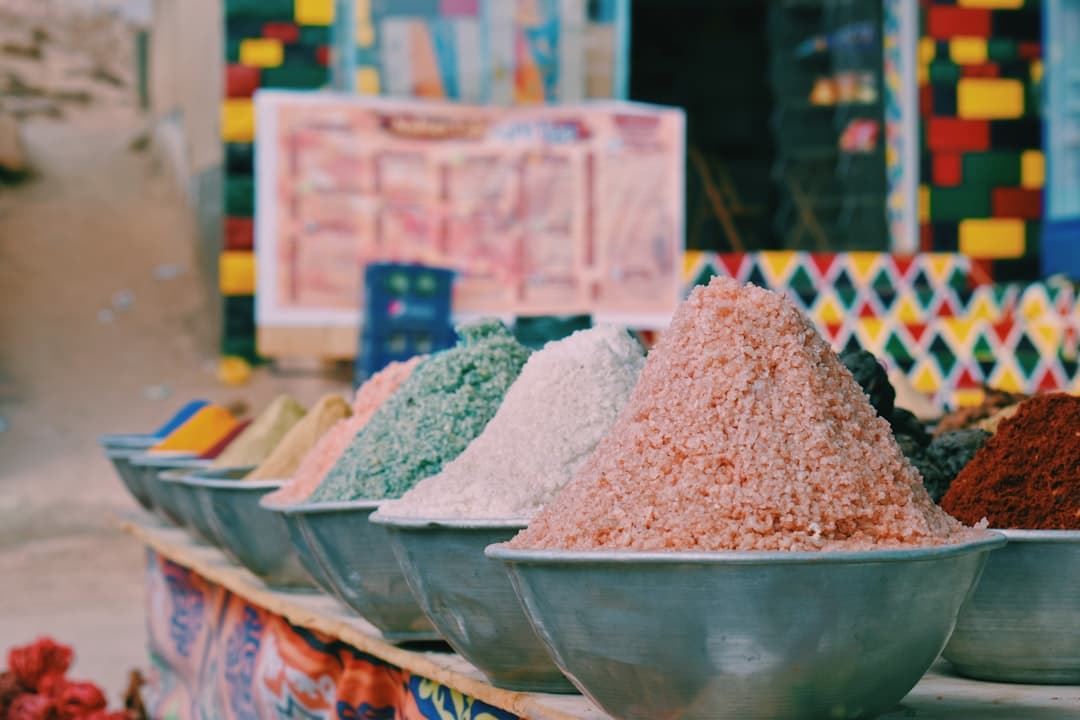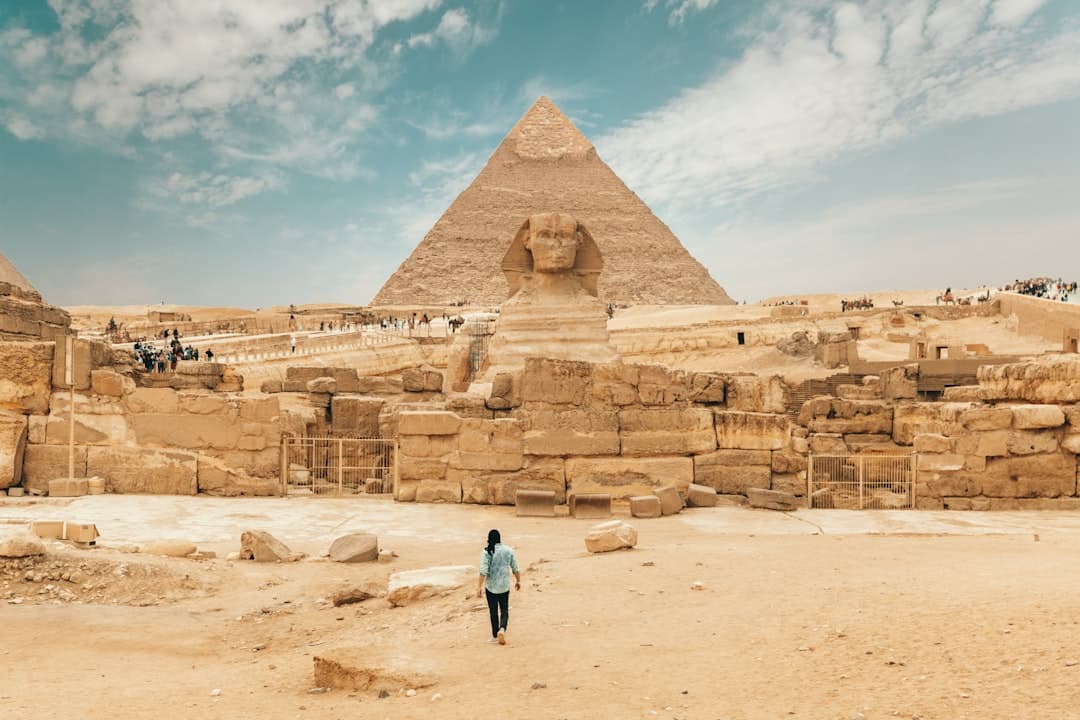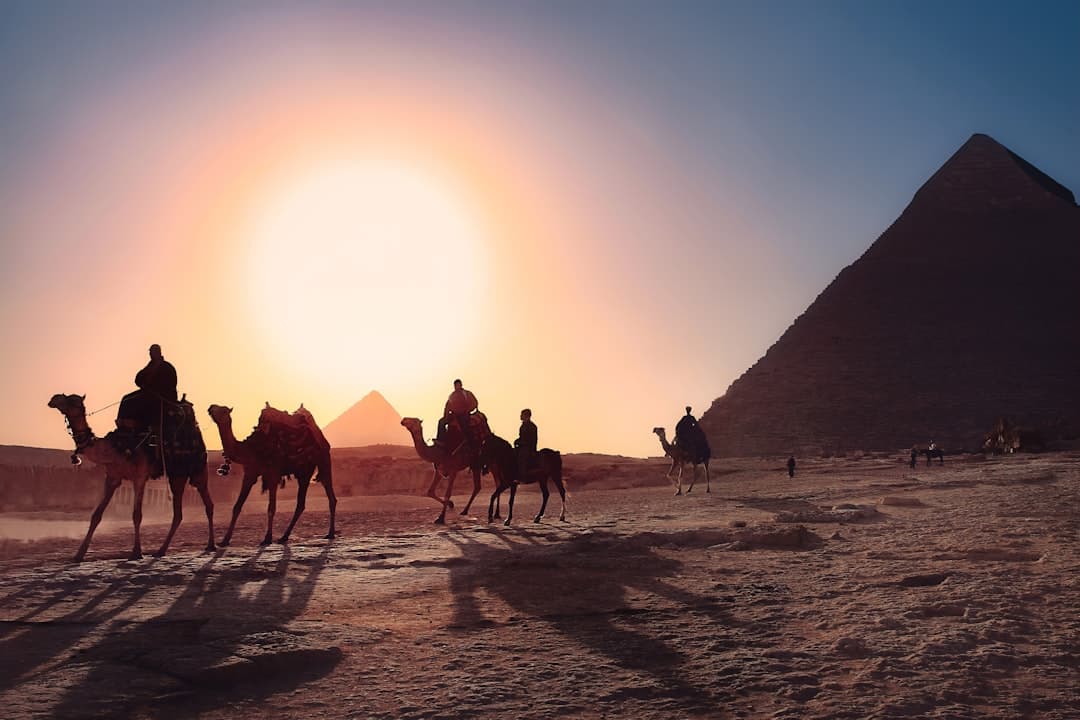
It's easy to fall in love with Egypt's dramatic contrasts: vast, silent deserts give way to green ribbon-like life along the Nile, and ancient monuments sit beside lively street markets. Backpacking here means balancing temple-hopping with slow river travel, and urban energy with remote star-filled nights.
Plan for two clear seasons - cooler, dry winters and hot summers - and bring a flexible itinerary. Visas are straightforward for many nationalities but check entry rules in advance. Carry cash in Egyptian pounds for markets and small transport; credit cards work in major cities. Stay informed about local conditions and follow guidance from local authorities and trusted travel sources.
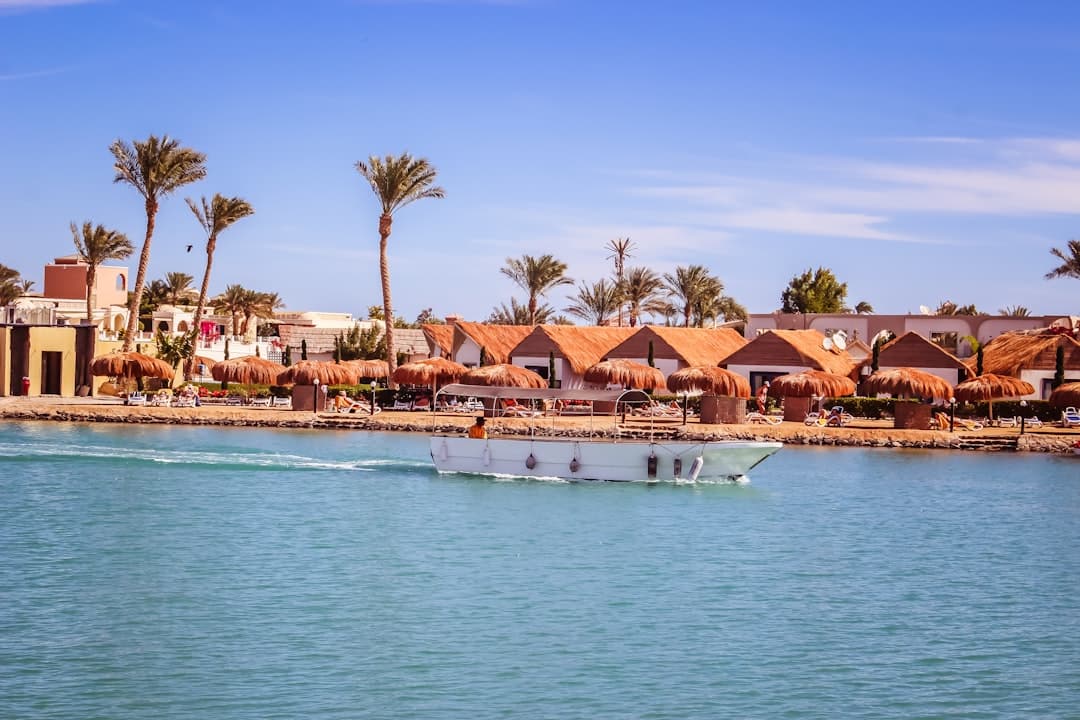
Transport options suit every budget. Trains between Cairo, Luxor and Aswan offer overnight sleepers that save time and accommodation costs. Long-distance buses and shared minibuses reach desert towns and coastal destinations. Domestic flights cut long journeys when time is limited. In Nile towns, feluccas and local ferries provide scenic, inexpensive travel; hiring a boat for a day or an overnight trip is a memorable way to see river life.
Desert exploration rewards patience and basic preparation. The White Desert and Siwa Oasis provide surreal landscapes and cultural encounters with Bedouin and Amazigh communities. In Sinai and around Dahab, diving and rock climbing complement desert treks. Guided trips are affordable and recommended for remote areas to navigate terrain, find water and arrange permits when needed.
Historic river towns should be savored. Luxor's temples and the Valley of the Kings take time to appreciate; Aswan's relaxed islands and Nubian villages reveal different rhythms. Smaller stops like Edfu and Kom Ombo offer quieter ruins and markets. Slow travel along the Nile, whether by local boat or split between trains and ferries, reveals daily life: fishermen, farmers, and town markets framed by palm groves.
Eat where locals eat: koshari stands, ful and falafel shops, and grilled seafood on the coast. Accommodation ranges from budget hostels and guesthouses to simple riverboats. Bargain politely in souks and confirm prices for taxis and guides in advance. Hydration, sun protection and basic first-aid supplies are important; tap water is best avoided for drinking. Women travelers find Egypt rewarding with sensible precautions: dress modestly in conservative areas, travel in daylight when possible, and use local advice on safe routes.
Backpacking Egypt is about contrast and pace: combine major sites with detours to quiet villages, mix public transport with a few private hires, and leave room for unplanned discoveries along the Nile and in the sands beyond.
Editorial note: This article was prepared using multiple verified sources and editorial research. The content was reviewed, fact-checked and approved by our editorial team prior to publication.