

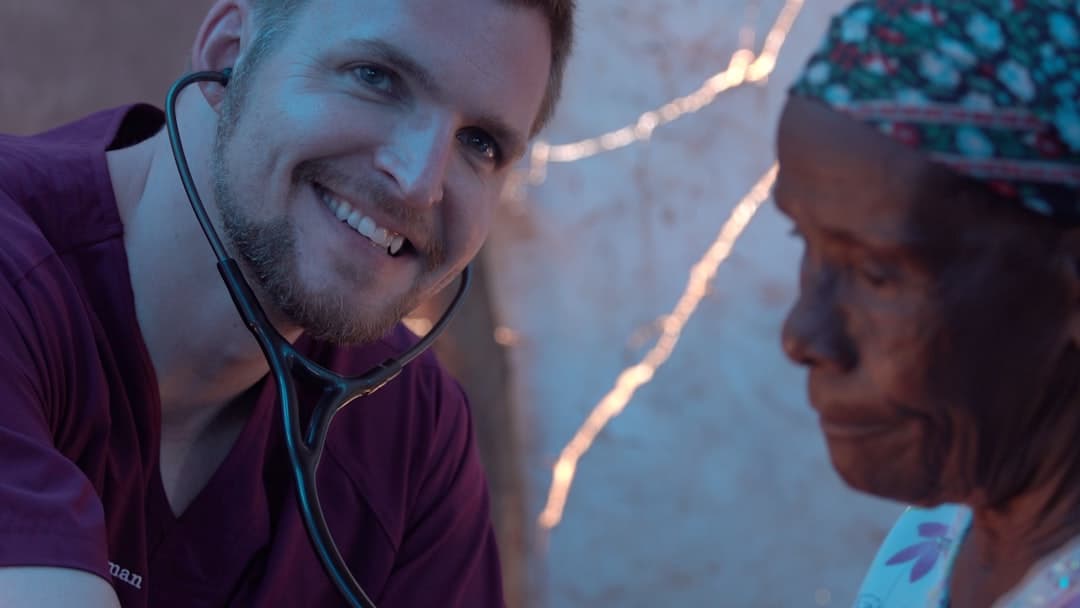
One in eight cancers are likely caused by an infection worldwide – new study
Four viruses and one bacteria were responsible for 12% of the world’s cancer cases in 2024. Does this mean they’re preventable?
How bacteria hijack viruses to shuffle their own DNA
Telemedicine Infrastructure Extends Medical Reach Across the Middle East's Remote Desert Communities
Gulf States Step Up Efforts to Address Surging Diabetes Rates
Rising Temperatures and Shifting Climates Redefine the Public Health Landscape Across the MENA Region
Health
One in eight cancers are likely caused by an infection worldwide – new study
Four viruses and one bacteria were responsible for 12% of the world’s cancer cases in 2024. Does this mean they’re preventable?…
Rising Temperatures and Shifting Climates Redefine the Public Health Landscape Across the MENA Region
Accelerating climate change is generating measurable public health consequences across the Middle East and North Africa, from heat-related illness to …
Arab Cities See Growing Investment in Mental Health Infrastructure
Urban centers across the Arab world are witnessing a measurable expansion in mental health services, driven by shifting public attitudes and increased government funding. Clinics, digital platforms, and community-based p…

Telemedicine Infrastructure Extends Medical Reach Across the Middle East's Remote Desert Communities
Expanding telemedicine networks are bringing specialist medical access to isolated desert populations across the Middle East, regions historically und…
Gulf States Step Up Efforts to Address Surging Diabetes Rates
Health authorities across the Gulf Cooperation Council have intensified public awareness campaigns targeting one of the region's most prevalent chroni…
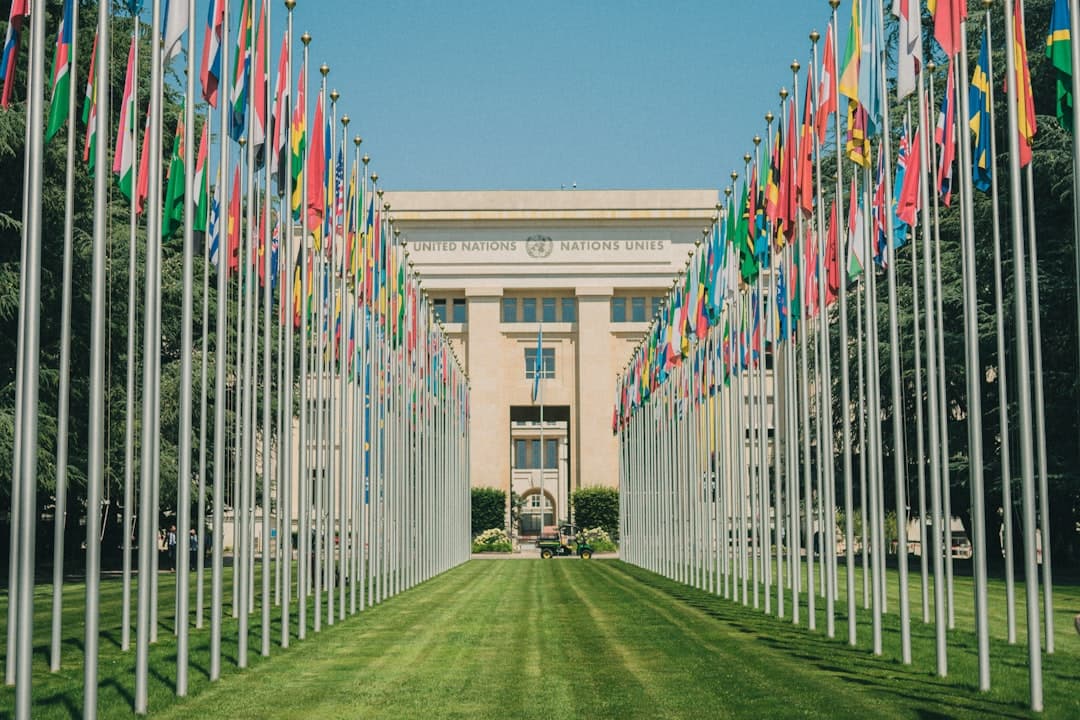
GCC Nations Emerge as Regional Hubs for Cross-Border Medical Care
Gulf Cooperation Council countries have recorded substantial growth in medical tourism, driven by expanded healthcare infrastructure and strategic government investment. The trend positions the region as an increasingly …
Middle Eastern Nations Emerge as Growing Forces in Global Vaccine Development
Several countries across the Middle East have expanded their domestic vaccine research and manufacturing capabilities in recent years, positioning the…
Gulf States Emerge as Regional Hubs for International Medical Travel
Countries across the Gulf Cooperation Council have positioned themselves as leading destinations for medical tourism, drawing patients from across the…
Bahrain Advances Digital Transformation Across Public and Private Healthcare Infrastructure
Bahrain has been accelerating the integration of digital systems across its healthcare sector, encompassing electronic health records, telemedicine platforms, and upgraded hospital management tools. The initiative aligns…
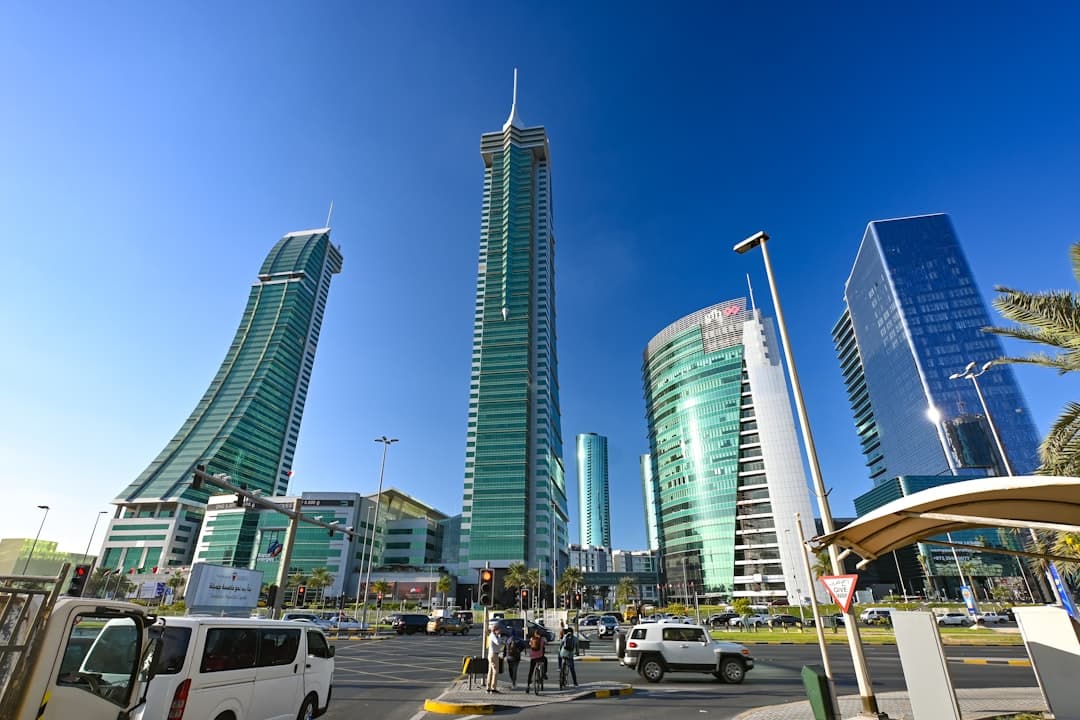
Billions Flowing Into Gulf Medical Infrastructure Signal a New Era for Regional Healthcare
Gulf Cooperation Council states have committed substantial capital to expanding healthcare infrastructure, medical research, and specialist services a…
Shifting Priorities: Arab Health Systems Move Toward Prevention-First Frameworks
Across the Arab world, governments are redirecting health policy toward early detection, chronic disease screening, and population-level wellness infr…


