Bahrain, an archipelago nation in the Arabian Gulf with a recorded history stretching back thousands of years, has intensified efforts to safeguard and celebrate its cultural heritage through a range of government-backed and community-driven programs.
Archaeological and Built Heritage
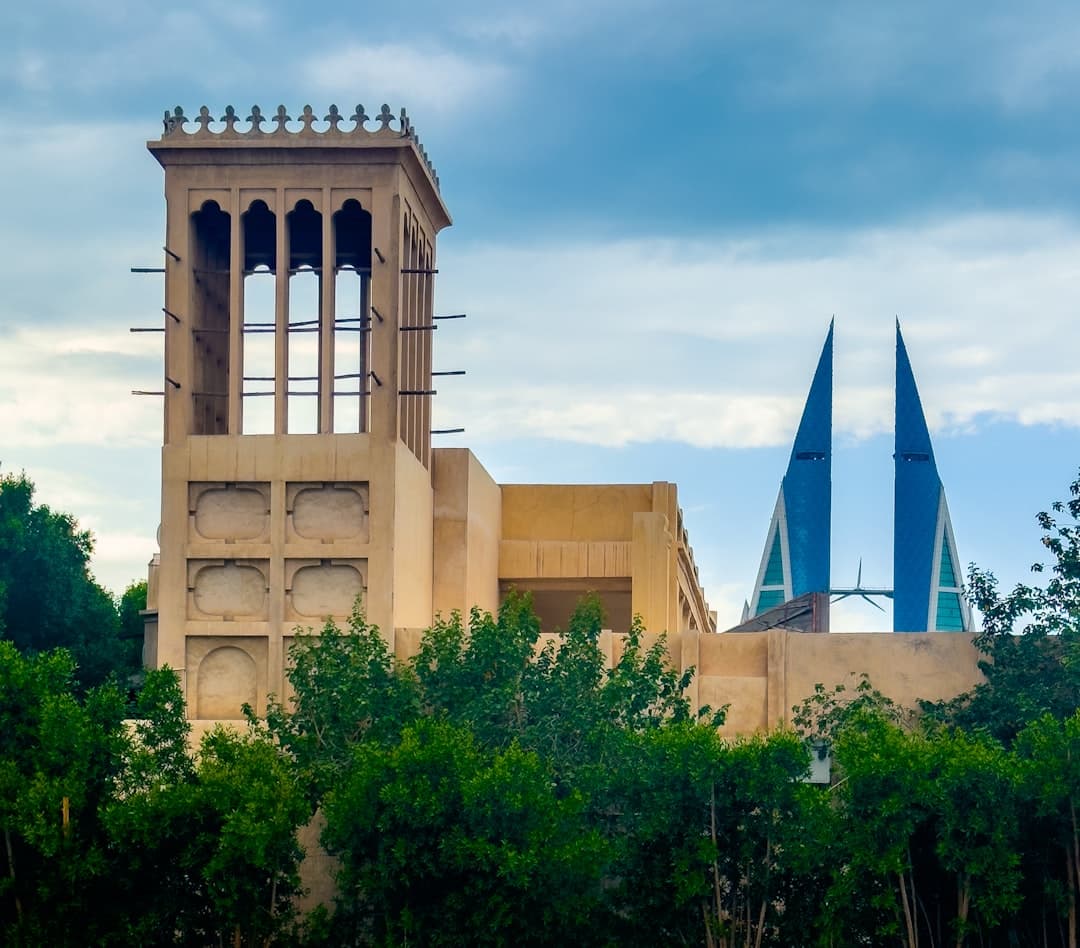
The Bahrain Fort, known locally as Qal'at al-Bahrain, holds UNESCO World Heritage Site status and serves as a centerpiece of the country's archaeological identity. The site, which contains layers of settlement from the Dilmun civilization through the Portuguese colonial period, attracts researchers and visitors from across the region. Restoration work at the fort and surrounding areas has been ongoing under the supervision of the Bahrain Authority for Culture and Antiquities.
The Pearling Path, another UNESCO-recognized site inscribed in 2012, traces the historic pearling industry that shaped Bahrain's economy and society for centuries before the discovery of oil. Preservation of the traditional houses, storehouses, and sea routes connected to the pearl trade forms a significant part of heritage policy.
Traditional Crafts and Living Culture
Efforts to sustain intangible heritage have included government support for traditional crafts such as dhow boat building, Al-Sadu weaving, and pottery. Craft villages, including the well-known Aali pottery community, continue to operate as both working artisan centers and cultural tourism destinations.
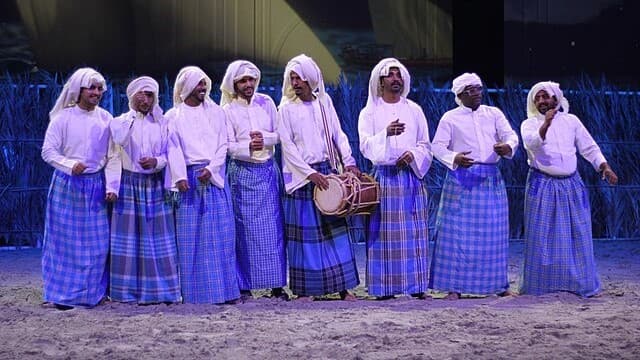
The Bahraini musical tradition of Sawt, associated with the seafaring and pearling communities, has been the subject of documentation and promotion campaigns, recognizing its roots in African, Indian, and Arabian influences that converged on the island over centuries of trade.
Education and Public Engagement
The Bahrain National Museum in Manama functions as a central institution for public engagement with the country's heritage, housing collections spanning the Dilmun period through the modern era. Educational outreach programs connected to museums and heritage sites have been expanded to reach school-age populations across the country.
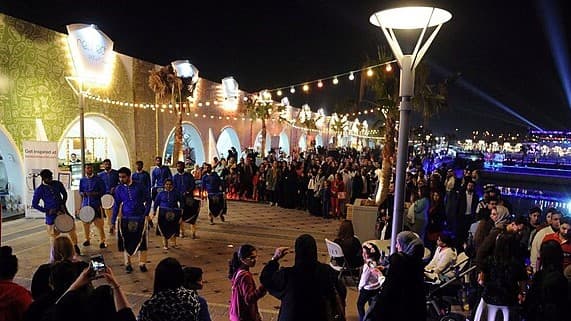
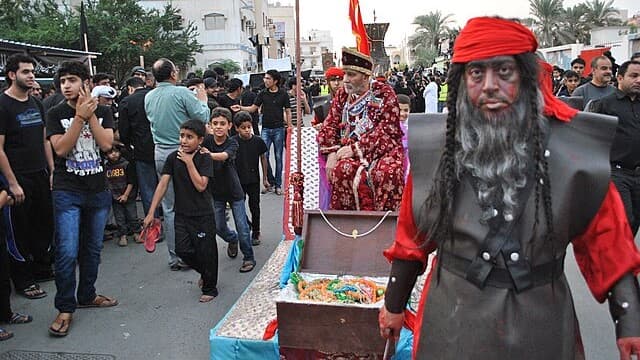
The Ministry of Culture and the Bahrain Authority for Culture and Antiquities regularly coordinate cultural festivals and exhibitions designed to make heritage accessible to both residents and the substantial expatriate population living in the country.
Open Questions
How effectively are private sector tourism investments aligning with government heritage preservation goals? What mechanisms exist to involve diaspora communities in cultural documentation projects?
Sources: UNESCO World Heritage Convention listings for Qal'at al-Bahrain and the Pearling Path; Bahrain Authority for Culture and Antiquities official mandate; Bahrain National Museum institutional profile.
This article is based on a primary source and has undergone editorial review prior to publication.