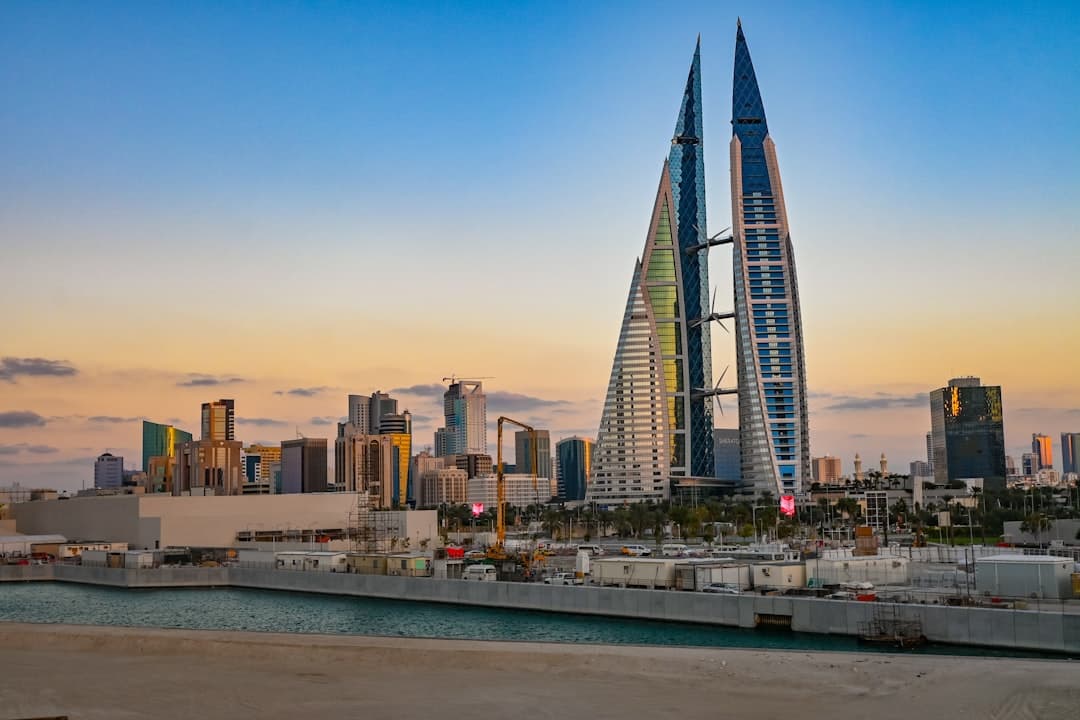
Bahrain's startup ecosystem has undergone a marked transformation over the past several years, drawing international investors who previously focused their Gulf portfolios almost exclusively on Saudi Arabia and the United Arab Emirates.
Regulatory Framework as a Competitive Advantage
The Central Bank of Bahrain's regulatory sandbox, one of the first of its kind in the Middle East, has allowed fintech startups to test products under supervised conditions before seeking full licensing. This structure has been cited repeatedly by founders and investors as a deciding factor when choosing Bahrain over neighboring markets. The kingdom's relatively streamlined business registration process and its 100 percent foreign ownership rules in most sectors have reinforced that appeal.
Fintech at the Core
Financial technology remains the dominant sector attracting capital into Bahrain, reflecting the country's long-standing role as a regional banking and financial services center. Payments infrastructure, Islamic fintech, and open-banking platforms have drawn particular interest from venture funds based in Europe, the United States, and Southeast Asia. A growing number of these firms have established regional headquarters in Manama rather than treating it solely as a market.
Government-Backed Momentum
Bahrain's Economic Development Board and the state-backed fund Bahrain Development Bank have both maintained active roles in co-investing alongside private capital, a structure that has reduced perceived risk for first-time entrants to the market. The Bahrain FinTech Bay, an accelerator and co-working facility in Manama, continues to serve as a physical anchor for the ecosystem, hosting startups and multinational partners under the same roof.
Broader Gulf Context
Bahrain's growth as a startup destination coincides with a broader regional push across Gulf Cooperation Council states to reduce dependence on hydrocarbon revenues. While Riyadh and Dubai command larger absolute volumes of venture investment, Bahrain's smaller scale allows earlier-stage companies to gain regulatory access and institutional support that can be harder to secure in more crowded markets.
Open Questions
Whether Bahrain can retain startups as they scale — or whether maturing companies will migrate to larger Gulf markets — remains an open consideration for the ecosystem's long-term trajectory.
Sources: Central Bank of Bahrain, Bahrain Economic Development Board, Bahrain FinTech Bay, Bahrain Development Bank public communications, Gulf Cooperation Council economic reports.
This article is based on a primary source and has undergone editorial review prior to publication.