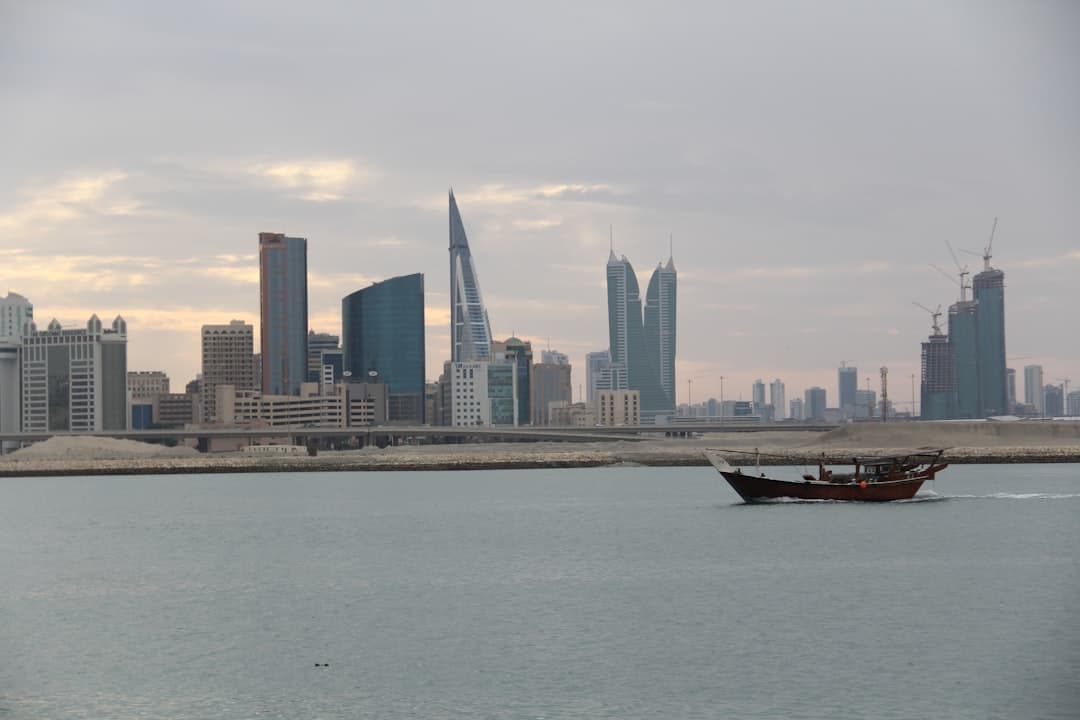
Bahrain has taken deliberate steps to reinforce its standing within the evolving network of Gulf alliances, positioning itself as a dependable partner in a region where longstanding alignments are being tested by geopolitical pressures.
Strategic Geography as a Diplomatic Asset
Situated at the crossroads of Gulf maritime routes, Bahrain hosts the United States Navy's Fifth Fleet, a presence that has historically underscored the kingdom's role as a security anchor for Western interests in the region. This arrangement continues to carry weight as broader discussions about regional security architecture develop among Gulf Cooperation Council member states.
Relations with Saudi Arabia and the GCC
Bahrain's relationship with Saudi Arabia remains foundational to its foreign policy. The two kingdoms are connected by the King Fahd Causeway and share close economic and security ties. Within the GCC framework, Bahrain has consistently aligned itself with Saudi-led positions, including participation in collective defense initiatives and coordinated responses to perceived threats from Iran.
Normalization and New Regional Partnerships
Bahrain's 2020 normalization agreement with Israel, reached alongside the United Arab Emirates under the Abraham Accords, marked a notable shift in the kingdom's external relationships. The accords opened channels for cooperation in areas including trade, technology, and security, adding new dimensions to Bahrain's diplomatic profile.
Navigating a Multipolar Gulf
The broader Gulf region has seen notable shifts in recent years, including the resolution of the Qatar diplomatic crisis and cautious rapprochements between traditional rivals. Bahrain's approach reflects an effort to maintain core alliances while adapting to a more fluid regional environment shaped by economic diversification agendas, evolving security threats, and shifting global energy markets.
Analysts who follow Gulf affairs have observed that smaller states in the region face particular pressure to clearly define their strategic alignments as major powers compete for influence across the Middle East.
Open Questions
How Bahrain will manage its relationships if tensions between Saudi Arabia and Iran escalate further remains unclear. The durability of the Abraham Accords framework, and whether additional Gulf states may eventually join it, also continues to shape the strategic calculations of Manama's policymakers.
Sources: U.S. Naval Forces Central Command, Gulf Cooperation Council official communications, U.S. State Department Abraham Accords documentation, publicly available regional policy analyses.
This article is based on a primary source and has undergone editorial review prior to publication.


