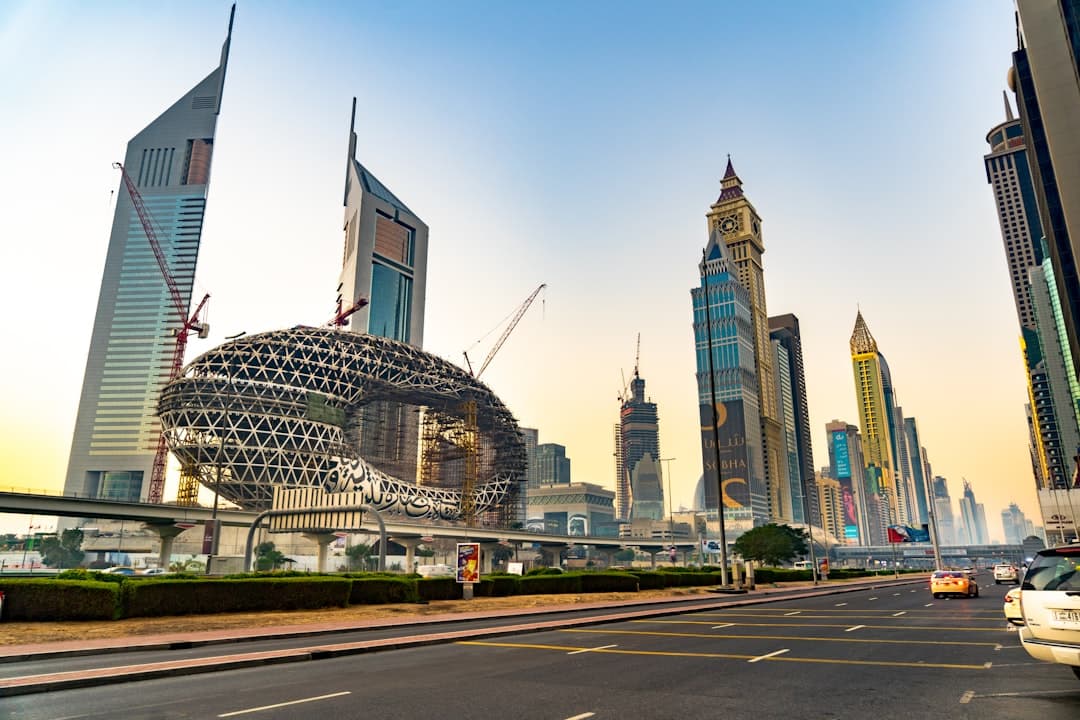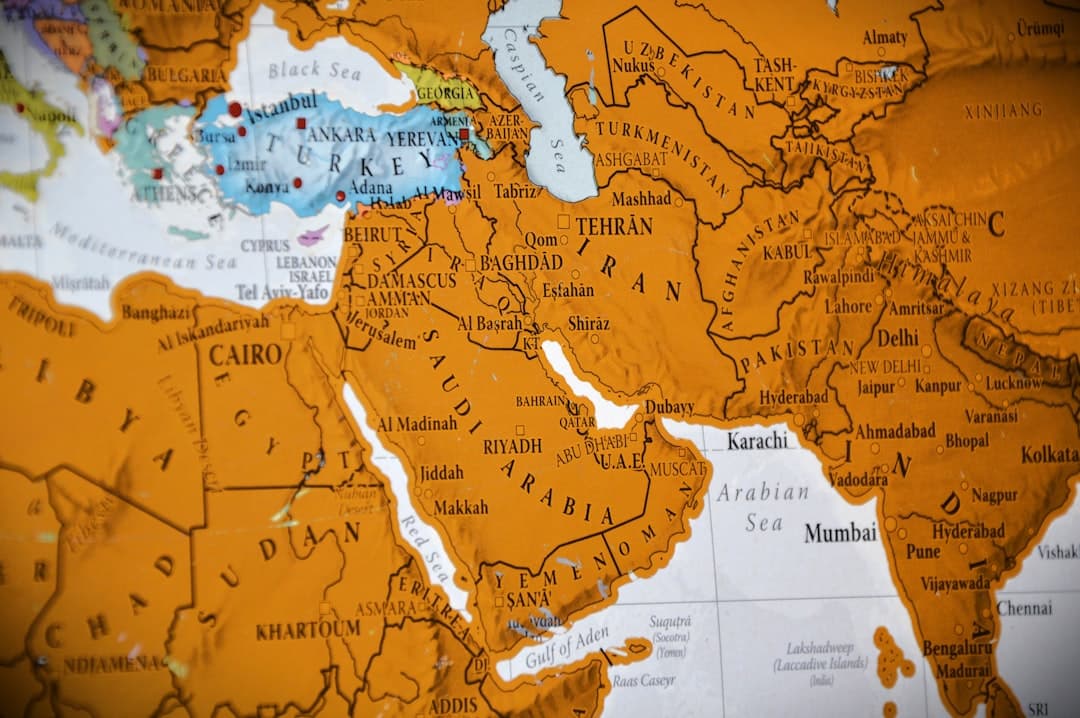
Across the Arab world, a broad shift away from hydrocarbon dependence is generating measurable momentum in sectors that were historically underdeveloped. Countries including Saudi Arabia, the United Arab Emirates, Egypt, and Jordan have advanced reform frameworks designed to attract private capital and stimulate entrepreneurship.
Gulf States Lead Structural Reform
Saudi Arabia's Vision 2030 initiative continues to drive investment in entertainment, logistics, tourism, and manufacturing. The kingdom has streamlined business licensing procedures and expanded zones where foreign ownership restrictions have been relaxed. The UAE, particularly through Abu Dhabi and Dubai, has reinforced its position as a regional hub for fintech, artificial intelligence, and green energy, supported by free zone infrastructure and favorable regulatory conditions.
Emerging Markets Beyond the Gulf
Egypt has pursued agreements with international financial institutions to stabilize its macroeconomic environment, with authorities directing attention toward green hydrogen, agribusiness, and digital services as growth pillars. Jordan continues to develop its information and communications technology sector, drawing on a relatively well-educated workforce and proximity to larger regional markets.
Technology and the Youth Economy
Across the region, a young and increasingly connected population is driving demand for digital services, e-commerce platforms, and mobile financial tools. Venture capital activity in Arab startup ecosystems has grown significantly over recent years, with hubs in Riyadh, Dubai, Cairo, and Amman attracting both regional and international funding.
Challenges That Remain
Structural barriers persist in several markets, including regulatory inconsistency, access to financing for small and medium enterprises, and varying degrees of judicial transparency. Currency pressures in non-Gulf economies have at times complicated cross-border transactions and foreign investor confidence.
The trajectory across the region reflects a deliberate policy orientation toward economic pluralism, though the pace and depth of transformation differ considerably from one country to another.
Open Questions
Will non-Gulf Arab economies secure sufficient foreign direct investment to sustain reform momentum? How will geopolitical instability in parts of the region affect investor confidence over the medium term? Can startup ecosystems scale without deeper capital markets?
Sources: World Bank MENA Economic Monitor, IMF Regional Economic Outlook, Saudi Vision 2030 official framework, UAE Ministry of Economy public statements, UNCTAD World Investment Report.
This article is based on a primary source and has undergone editorial review prior to publication.