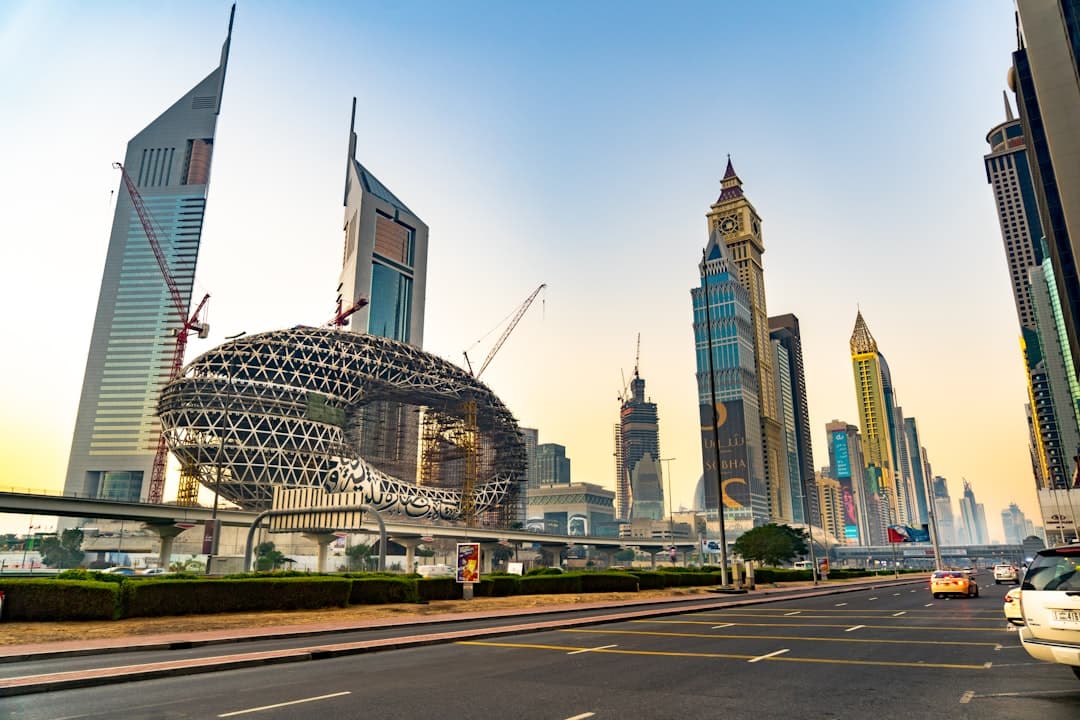
Across the Arabian Gulf, a quiet but intensifying competition is reshaping how cities position themselves on the global talent map. Dubai, Abu Dhabi, and Riyadh have each introduced or expanded measures designed to draw skilled professionals, entrepreneurs, and remote workers seeking alternatives to traditional Western business hubs.
Visa Reforms Open New Pathways
The United Arab Emirates has expanded its long-term residency framework through Golden Visa and Green Visa programs, offering multi-year residency to investors, specialists, and self-employed individuals without requiring a local employer sponsor. Saudi Arabia introduced its Premium Residency scheme along with the Regional Headquarters program, which requires multinational companies to base their Middle East operations in Riyadh as a condition for certain government contracts.
These structural changes signal a shift from the region's traditional reliance on short-term expatriate contracts toward models that encourage longer-term settlement and integration into local economies.
Free Zones Remain a Core Attraction
Economic free zones continue to serve as primary entry points for foreign businesses and workers. Dubai alone operates dozens of sector-specific zones, including the Dubai International Financial Centre and Dubai Media City, each offering regulatory environments tailored to particular industries. Abu Dhabi's Hub71 technology ecosystem has attracted startups and venture capital firms through subsidized office space and structured funding access.
Quality of Life as a Competitive Factor
Beyond regulatory incentives, Gulf cities have invested heavily in infrastructure, healthcare, international schooling, and cultural amenities. Connectivity through major airline hubs and relatively low personal income tax environments reinforce the appeal for mobile professionals weighing relocation options.
The regional competition also extends to talent retention. Companies operating in Gulf markets have reported pressure to offer compensation packages that reflect the cost of living in premium urban districts, particularly as property prices in sought-after neighborhoods have risen alongside demand.
Whether these initiatives succeed in converting short-term assignments into permanent career destinations remains a central question for policymakers across the region.
Open Questions
Will Gulf cities develop the civic infrastructure — cultural institutions, naturalization pathways, long-term community roots — necessary to retain talent across generations? How will smaller regional economies such as Bahrain and Qatar adapt their own strategies as competition intensifies?
Sources: UAE Federal Authority for Identity and Citizenship (ICA); Saudi Arabian General Investment Authority (SAGIA); Dubai International Financial Centre Authority; Hub71 Abu Dhabi; Gulf Cooperation Council Secretariat general policy documentation.
This article is based on a primary source and has undergone editorial review prior to publication.