Travel prepared for Cairo's pyramids: buy timed tickets online, arrive early to avoid crowds, confirm camera policies, carry ID for inspections, and hire licensed guides for accurate historical context.
Essential Planning and Logistics
Packing light, carrying sun protection, and keeping passport and tickets accessible speeds entry and minimizes stress at the site.
Optimal Visiting Hours and Seasonal Considerations
Morning visits avoid the largest crowds and cooler temperatures; late afternoon offers golden light but can be windy and busier on tours.
Transportation Options from Central Cairo
Taxi rides and private transfers take roughly 30-45 minutes from downtown; agree fare or request the meter before departure to avoid disputes.
Private transfers offer door-to-door convenience with English-speaking drivers and flexible scheduling, ideal for early or late visits. Public buses and microbuses are cheaper but slower and may drop you farther from the plateau. Prebooked tour shuttles combine convenience with guide access and included tickets, often streamlining entry procedures.
Ticketing and Access Procedures
Lines at Giza move fastest at first light; bring passport copies and local cash, and buy main tickets at the official booth. Expect security checks and staggered entry times for different sites, so allow extra time when visiting pyramid interiors or nearby museums.
Navigating Official Government Ticket Windows
Official ticket windows issue single-entry tickets for the plateau, pyramid interiors, and museums; carry exact change and your passport. Lines can be long, but separate counters handle groups, guides, and individual visitors - ask staff which queue serves interior or Solar Boat tickets.
Fee Structures for Pyramid Interiors and Museums
Inside the pyramids requires a higher-priced interior ticket than general-site admission; pricing varies for foreigners, residents, and children. Museums and the Sound & Light show have separate fees; some combined passes exist but check current rates online or at the ticket office before purchase.
Pricing differs by nationality-Egyptian, Arab League, and foreign categories-with discounted local rates. Interior tickets are limited daily and sometimes include extra charges for specific chambers and photography permits. Guided visits and museum combos carry separate fees; compare on-site and official online prices before committing, as availability and rates change seasonally.
Managing Local Interactions
Locals respond best to polite bargaining, clear arrangements, and visible credentials; tip in cash for helpful service and keep exchanges brief to avoid persistent offers.
Distinguishing Authorized Guides from Touts
Identify licensed guides by official badges, agency receipts, reservation confirmations, or hotel recommendations; decline persistent street approaches and report aggressive touting to staff.
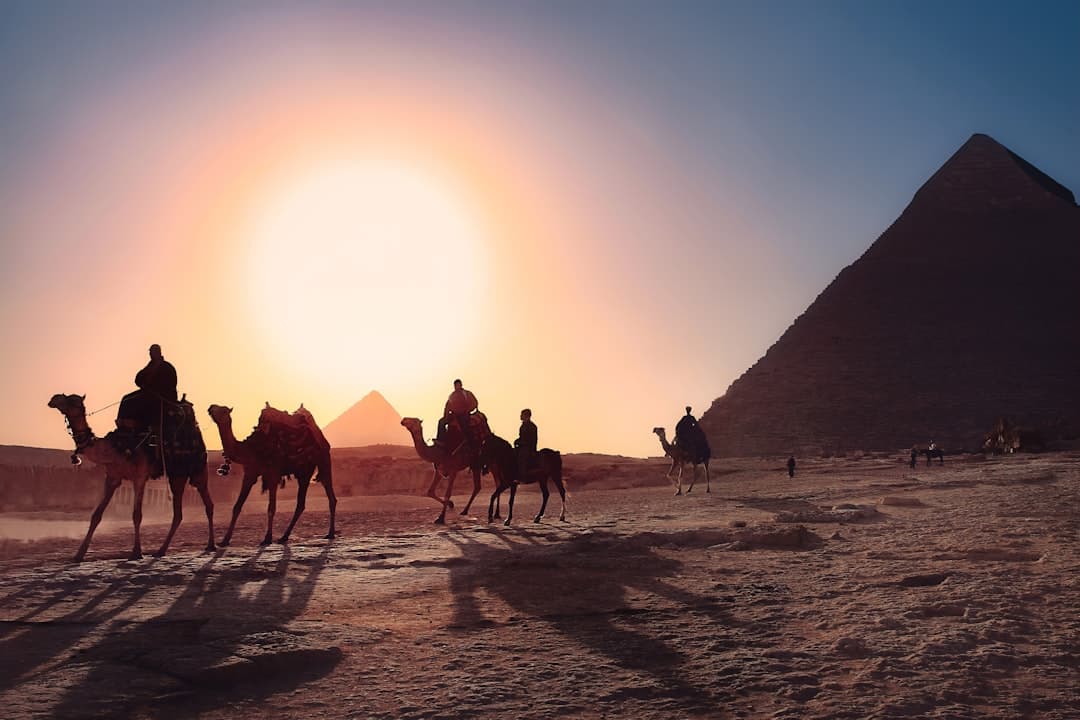
Etiquette for Camel and Carriage Transitions
Ask permission before photographing handlers or mounting camels, agree a fixed fare for carriages, and tip modestly after safe transfers.
Allow handlers to secure saddles and give clear boarding instructions; follow their lead when mounting and dismounting, keep weight centered and avoid sudden movements, and wear closed shoes. Confirm the fare and any waiting time before departing, carry water, and tip both handler and driver when service is professional.

Equipment and Preparation
Pack a lightweight daypack with sun protection, at least 2 liters of water, sturdy closed shoes, wide-brim hat, sunglasses, sunscreen, spare batteries and memory cards, a headlamp, photocopies of passport, Egyptian cash, and a compact first-aid kit to handle long walks and limited on-site services.
Required Attire for Desert Climate and Terrain
Wear breathable, light-colored fabrics with long sleeves for sun protection, plus a lightweight layer for cooler evenings. Closed, comfortable walking shoes and a scarf for dust are recommended. Opt for modest clothing that covers shoulders and knees when visiting sensitive sites or nearby neighborhoods.
Security Regulations Regarding Cameras and Drones
Check current camera and drone rules before arrival: drones generally need permits and are banned over many archaeological zones; some sites disallow photography. Expect security inspections, seizeable equipment for violations, and fines for unauthorized drone use.
Permits from the Egyptian Civil Aviation Authority are required for most drone operations; applications must include pilot ID, equipment details and flight plans, and may take weeks. Recreational flights face strict local bans near Giza, airports, military or excavation zones. Carry printed approvals, brief site security, avoid flying over crowds or restricted areas, and obtain additional ministry permits for commercial filming to avoid confiscation or charges.
Exploring Beyond the Great Pyramid
Tucked behind the Great Pyramid, the southern complex offers quieter ruins and smaller tombs that reward a measured stroll and close inspection.
Accessing the Sphinx and Valley Temple
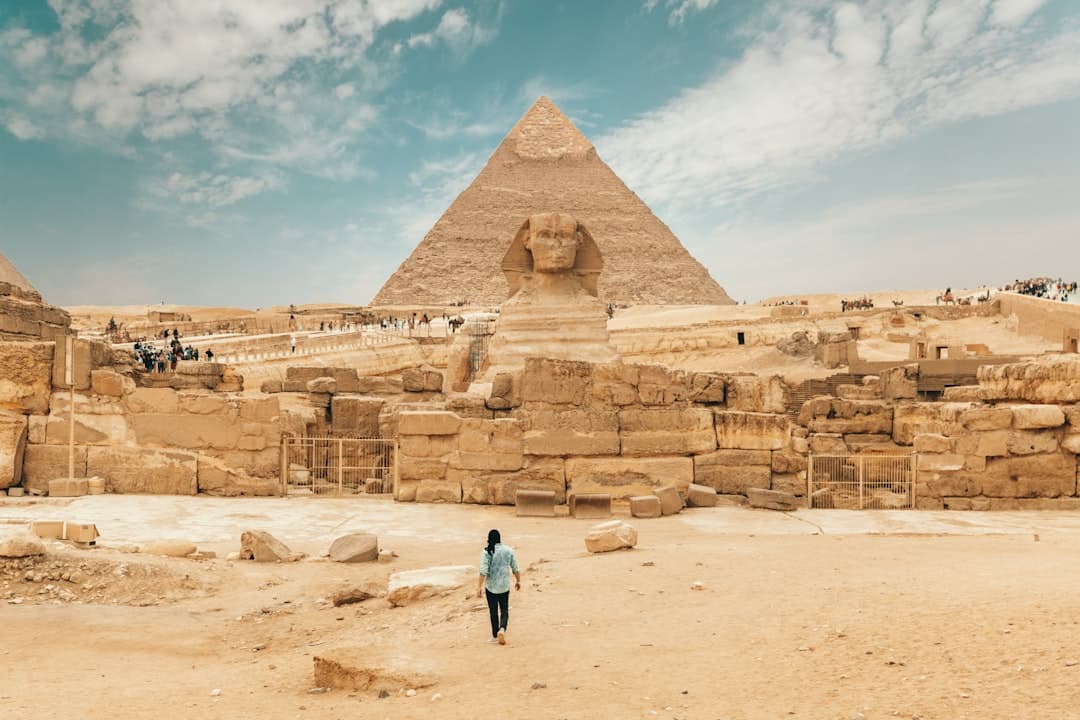
Approaching the Sphinx, expect controlled access, ticket checks, and limited interior photography; plan an early visit to avoid peak crowds and heat.
Visiting the Queens' Pyramids and Noble Tombs
Nearby, the Queens' Pyramids display compact burial chambers and ornate mastaba tombs; hire a licensed guide to access off-the-beaten paths and read inscriptions.
Bring a flashlight, ID and small cash for on-site tickets; some Queens' Pyramid interiors require a separate permit and feature low ceilings and uneven steps. Local guides explain construction phases, point out subtle decoration, and can arrange entry to adjacent noble tombs, while staff enforce no-flash photography and conservation rules.
To wrap up
Drawing together key entry tips for the Giza Pyramids: buy timed tickets, carry ID, wear sun protection, arrive early, respect site rules, and hire licensed guides for safe, informative access.
Editorial note: This article was prepared using multiple verified sources and editorial research. The content was reviewed, fact-checked and approved by our editorial team prior to publication.