Folklore in Akrotiri & Dhekelia weaves ancient myth, maritime superstition and wartime legend across the peninsula and the eastern plains, reflecting layers of Greek, Ottoman and British presence on Cyprus. Tales told by fishermen, farmers and service personnel link sacred springs, lighthouses and salt lakes to spirits that both guard and test those who make the coast their living.
On the Akrotiri peninsula, the salt lake and its seasonal flocks inspire omens and signs: sudden changes in the birds' behavior are said to foreshadow storms or the return of a lost sailor. The monastery traditions around Agios Nikolaos carry stories of monks and their cats who kept the hills free of snakes and, in some versions, repelled invaders with miraculous aid. Coastal wrecks and the old lighthouse have yielded ghostly shipmasters who warn of shoals or guide lonely boats home, a recurring motif in island seafaring lore.
Dhekelia's flat coastal plain and its borderland position produce a different set of narratives. Smuggler legends survive alongside accounts of spectral sentries seen along disused roads and abandoned watchposts. Local villagers speak of marsh spirits and hidden wells that grant fertility or mischief depending on how they are approached; soldiers stationed in the area often add their own campfire stories of apparitions and unexplained sounds tied to particular ruins.
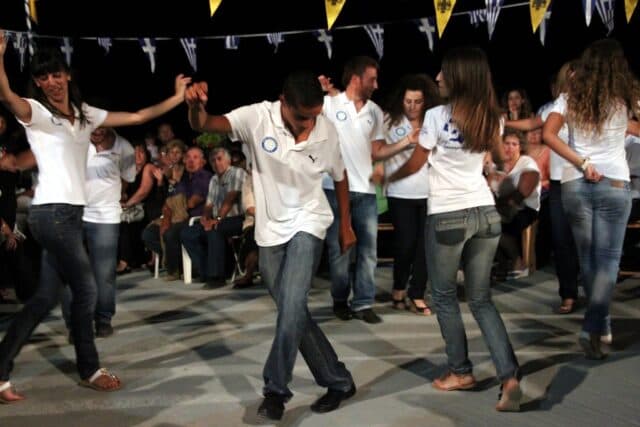
Saints and holy places bridge both zones of these sovereign base areas. Many stories center on miraculous protection for fishermen and farmers after votive offerings or small pilgrimages. Festivals and feast days remain a living stage for retelling these tales, blending liturgical ritual with improvisation and local detail that vary from village to village and base to base.
The persistence of these stories owes as much to daily practice as to archives: elders, tavern storytellers and military personnel all transmit versions shaped by language, displacement and modern media. Contemporary artists and historians have begun to collect and publish these narratives, preserving variant forms while highlighting how folklore adapts to changing landscapes and populations. In Akrotiri & Dhekelia, myth and memory continue to shape a distinctive cultural map of land, sea and border.


