Private sector executives and sovereign-linked investment groups across the Gulf Cooperation Council have been committing significant resources to renewable energy infrastructure, signaling a broad realignment of regional capital priorities.
Solar and Hydrogen Lead the Push
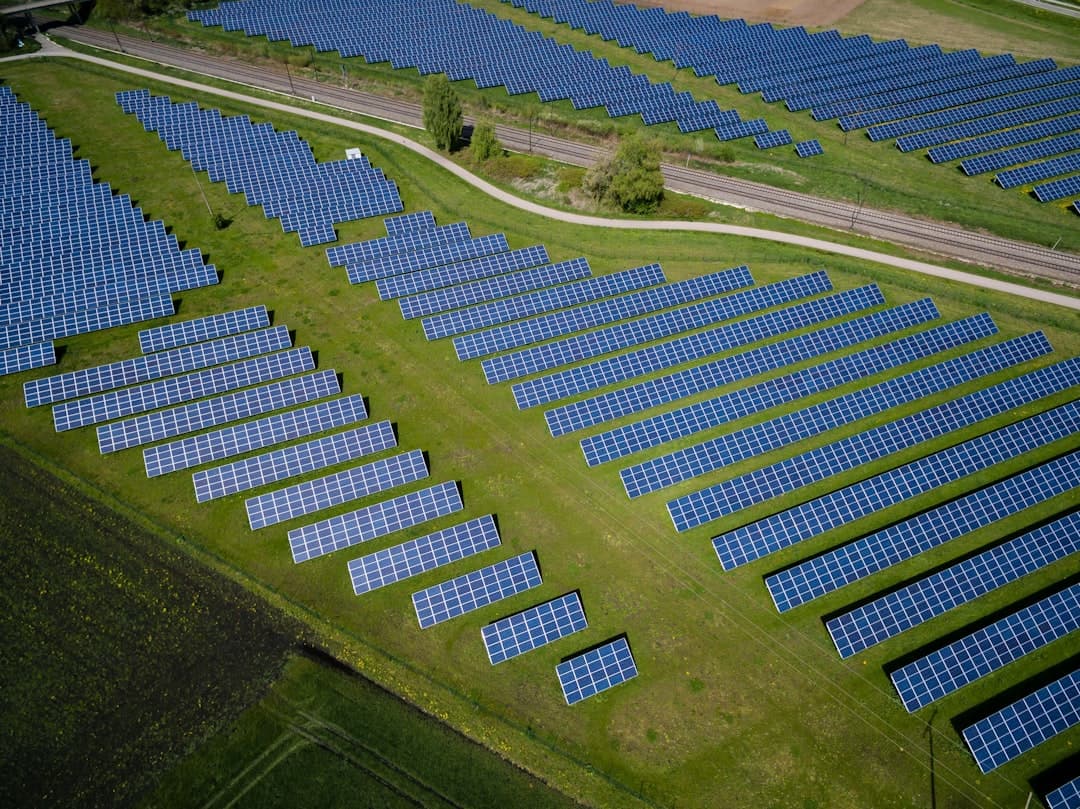
Large-scale solar installations remain the dominant vehicle for clean energy investment across Saudi Arabia, the UAE, and Oman. Projects such as Saudi Arabia's NEOM-linked renewable developments and Abu Dhabi's Al Dhafra Solar Facility — among the largest single-site solar plants in the world — illustrate the scale at which both state-affiliated and private developers are operating.
Green hydrogen has emerged as a second major focus. Several Gulf-based consortia have announced partnerships with European and Asian offtake partners, positioning the region as a potential hydrogen exporter as global demand for low-carbon fuels rises.
Policy Frameworks Driving Private Participation
Government-led net-zero commitments have created structured procurement frameworks that reduce risk for private investors. The UAE's target of achieving net-zero emissions by 2050 and Saudi Arabia's Vision 2030 energy diversification agenda have both generated pipelines of bankable projects that attract institutional capital.
Independent power producer models, used widely in the UAE and increasingly in Jordan and Egypt, allow private businesses to secure long-term power purchase agreements with state utilities, offering predictable returns that make renewable assets competitive with conventional energy investments.
Regional Competition Intensifies
Beyond the Gulf, Egypt and Morocco have positioned themselves as renewable energy hubs, leveraging land availability and proximity to European markets. The expansion of cross-border electricity interconnection projects across North Africa and the Levant further broadens the investment landscape for regionally active business groups.
Financial institutions operating in the region have also expanded green financing instruments, including sustainability-linked bonds and green sukuk, providing developers with additional tools to raise capital aligned with environmental criteria.
Open Questions
Whether private investment momentum will keep pace with stated government targets remains an open question, particularly as global interest rates affect the cost of financing large infrastructure projects. The long-term regulatory stability of emerging markets in the region will also be closely watched by international investors evaluating entry.
Sources: International Renewable Energy Agency (IRENA), Abu Dhabi National Energy Company (TAQA) public filings, Saudi Vision 2030 official documentation, UAE Ministry of Energy and Infrastructure, World Bank regional energy reports.
This article is based on a primary source and has undergone editorial review prior to publication.