
Travel to Isfahan reveals a tapestry of Safavid-era architecture, including Naqsh-e Jahan Square, Imam Mosque, and Chehel Sotoun; this guide provides practical history, visiting tips, and best times to explore each historic site with authoritative local insights.
Naqsh-e Jahan Square: The Heart of Safavid Glory
Naqsh-e Jahan anchors Isfahan with sweeping arcades, royal pavilions and a bustling bazaar; visitors trace Safavid power across the Imam Mosque, Sheikh Lotfollah and Ali Qapu, where public ceremony met imperial display.
The Architectural Grandeur of Imam Mosque
Imam Mosque soars with a monumental blue-tiled dome, towering iwans and calligraphic inscriptions, showcasing Safavid mastery of geometry, light and acoustic design that defines the square's spiritual axis.
Sheikh Lotfollah Mosque's Intricate Tilework
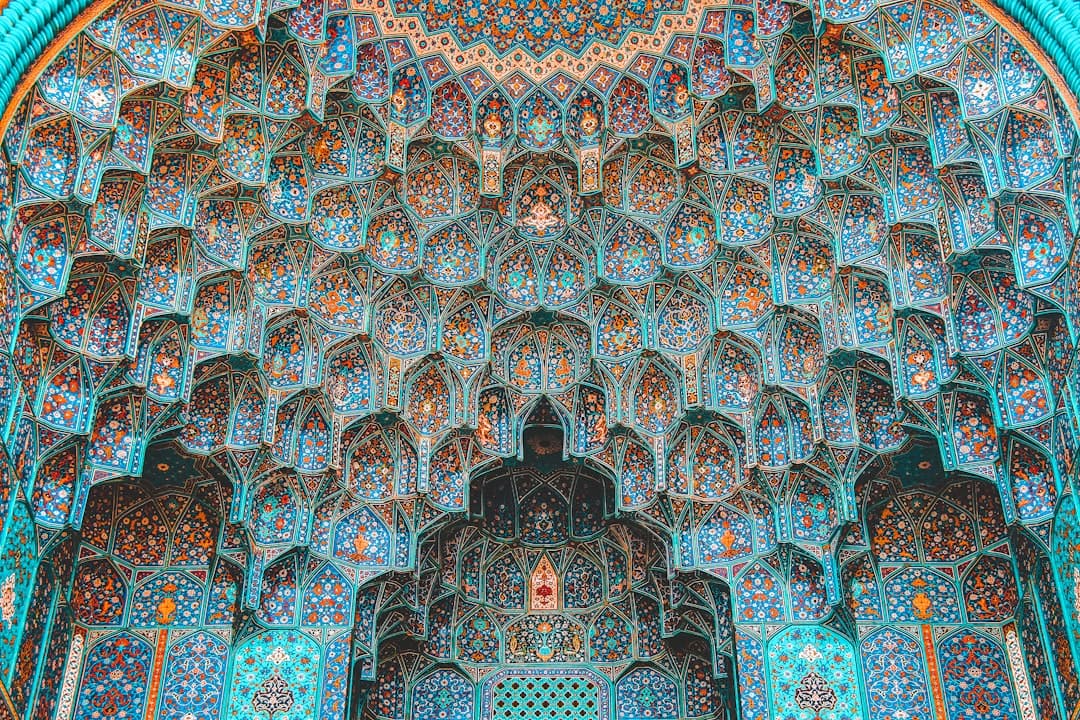
Sheikh Lotfollah's delicate tiles shift color with light, forming floral arabesques and refined calligraphy on a compact, window-lit prayer hall that rewards slow observation.
Intricate tile mosaics employ a palette of turquoise, lapis and cream, using the haft-rang technique to render peacocks, arabesques and epigraphic bands; artisans layered glazes and precise geometry to create surfaces that change with sun and shadow, producing ethereal effects beneath the dome.
Ali Qapu Palace and the Royal Music Room
Ali Qapu's imposing façade conceals tiered reception halls, ornate porticoes and a famed music room where refined acoustics once accompanied courtly ceremonies.
Visitors climb timbered staircases to reach the Music Hall, a vaulted chamber fitted with shallow niches and stucco reliefs calculated to enhance sound; musicians performed from hidden galleries while painted panels and mirrored surfaces reinforced the palace's ceremonial drama.
Grand Palaces and Persian Gardens
Isfahan's grand palaces and Persian gardens showcase Safavid-era artistry, lavish tilework, mirrored halls, and axial gardens that balance architecture and water. Visitors find ceremonial halls, ornate courtyards, and tranquil gardens within walking distance of the central square.
Chehel Sotoun: The Pavilion of Forty Columns
Chehel Sotoun's pavilion, famed for its reflected forty columns, combines frescoes, mirror work and a long reflecting pool that amplifies ceremonial scenes. Palace galleries narrate court life through intricate paintings.
Hasht Behesht and the Safavid Garden Concept
Hasht Behesht exemplifies the Safavid garden-house typology with an octagonal plan, layered terraces and rooms opening onto gardens and water channels.
Safavid designers fused formal geometry, water channels and shade to symbolize cosmic order; Hasht Behesht's octagonal core channels views toward pavilions, pools and tree-lined alleys, offering a measured sequence of private and public spaces for courtly leisure.
Iconic Historic Bridges of the Zayanderud
Isfahan's Zayanderud hosts bridges that blend engineering, ornament, and civic life, offering evening promenades, photogenic views, and urban continuity between historic neighborhoods.
Si-o-se-pol: The Bridge of Thirty-Three Arches
Si-o-se-pol rises on thirty-three arches, its rhythmic vaults and terrace steps attracting strollers, musicians, and photographers drawn to its scale and nightly lights.
Khaju Bridge: Engineering and Social Heritage
Khaju Bridge displays refined tilework, a central pavilion, and functional sluice gates that modulate flow while hosting teahouses and social gatherings along its arcades.
Engineers and artisans of the Safavid period embedded water-control chambers beneath Khaju's spans, enabling regulated irrigation and seasonal flow management; decorative frescoes, carved stone seating, and the pavilion's vantage point reinforced the bridge's dual role as hydraulic infrastructure and a cultivated public forum for poets, officials, and everyday visitors.
The Armenian Quarter and New Jolfa
New Jolfa's Armenian Quarter blends centuries-old churches, narrow lanes, and artisan shops, offering a peaceful contrast to Isfahan's busier squares.
Vank Cathedral: A Fusion of Islamic and Christian Art
Vank Cathedral showcases ornate frescoes and gilded tilework where Persian motifs meet Armenian iconography, creating a unique cross-cultural sanctuary.
Exploring the Historic Streets and Cafes of Jolfa
Strolling through Jolfa's historic streets reveals cozy cafes, antique shops, and welcoming courtyards where tea and conversation define the local rhythm.
Artists and craftsmen line the alleys offering handmade ceramics, manuscripts, and saffron sweets. Pause at a sunlit courtyard cafe to watch daily rituals, sample local coffee and pastries, and chat with shopkeepers who explain centuries-old trades and point out hidden architectural details.
Spiritual and Commercial Landmarks
Isfahan's spiritual sites and bustling bazaars sit side by side, offering centuries-old mosques, caravanserais, and merchant alleys that reflect the city's dual identity.
Jameh Mosque of Isfahan: A Living Museum of Islamic Architecture
Jameh Mosque showcases layered architectural styles from the 8th century onward, with expansive iwans, intricate tilework, and structural evolutions that trace Islamic art across dynasties.
Navigating the Labyrinthine Grand Bazaar
Crowded alleys in the Grand Bazaar brim with textiles, spices, and artisans where haggling is expected and local craftsmanship shines.
Stalls cluster by trade-goldsmiths, carpet sellers, and spice merchants-making district maps useful; carry cash, haggle respectfully, and pause at tea houses to observe daily commerce rituals.
Practical Insights for the Modern Traveler
Plan for reliable cash, a local SIM, early site openings, and respectful conduct; taxis and ride apps ease city travel while museums and bazaars follow predictable schedules that reward timely arrivals.
Optimal Seasons and Climate Considerations
Isfahan's spring and autumn offer mild weather and blossoms, while summers bring intense heat and winters are cold and dry; pack layers, sun protection, and plan outdoor visits for cooler parts of the day.
Local Etiquette, Dress Code, and Cultural Norms
Dress conservatively: women wear headscarves and loose outer garments, men avoid shorts in public; lower voices in mosques, ask before photographing people, and accept gender-segregated spaces where present.
Observe gendered customs in public venues-separate seating or queues may apply-and adjust behavior accordingly: avoid public displays of affection, remove shoes where requested, offer small gifts when invited into homes, and use basic Persian greetings to show respect; clear, polite interaction reduces misunderstandings and enhances local hospitality.
To wrap up
From above the guide confirms Isfahan's Safavid monuments, including Naqsh-e Jahan Square, Imam Mosque, and Si-o-se-pol bridge, are must-see, with practical tips on timing, dress code, and local customs to make visits efficient and respectful.
Editorial note: This article was prepared using multiple verified sources and editorial research. The content was reviewed, fact-checked and approved by our editorial team prior to publication.