Most visitors preparing for Jebel Akhdar trails should pack sturdy footwear, carry water, check weather, hire a local guide, and respect trail regulations for safe, responsible hiking in Oman's highlands.
Essential Planning and Logistics
Planning your Jebel Akhdar trek requires permits, local guides, and reliable 4WD transport; book ahead, pack layers, and allow time for acclimatization to reduce altitude-related issues.
Navigating the 4WD Requirement and Access Points
Access to higher trails requires a pre-booked 4WD; choose licensed drivers, confirm pickup points, and check road closures after heavy rain to avoid delays.
Optimal Seasons for High-Altitude Trekking
Spring and autumn present the most stable conditions with mild days and cool nights; winter can bring snow above 2,000m, while summer heats lower elevations uncomfortably.
Autumn (September-November) and spring (March-May) offer clear skies, blooming terraces, and open guesthouses; expect daytime highs around 15-25°C, chilly nights, strong sun, and occasional showers-pack layers, sun protection, and waterproofs.
Top-Rated Hiking Trails of Jebel Akhdar
Highlights include scenic ridge routes, terraced villages, and technical wadi descents, offering variations for casual walkers and seasoned hikers; prepare for altitude shifts, heat, and limited water sources when planning a day on Jebel Akhdar trails.
The Three Village Cultural Walk (W18b)
Village path W18b links three traditional settlements, showcasing terraced orchards, stone houses and local agriculture; easy to moderate grade with cultural stops, ideal for morning hikes and photography.
The Challenging Descent of Wadi Bani Habib
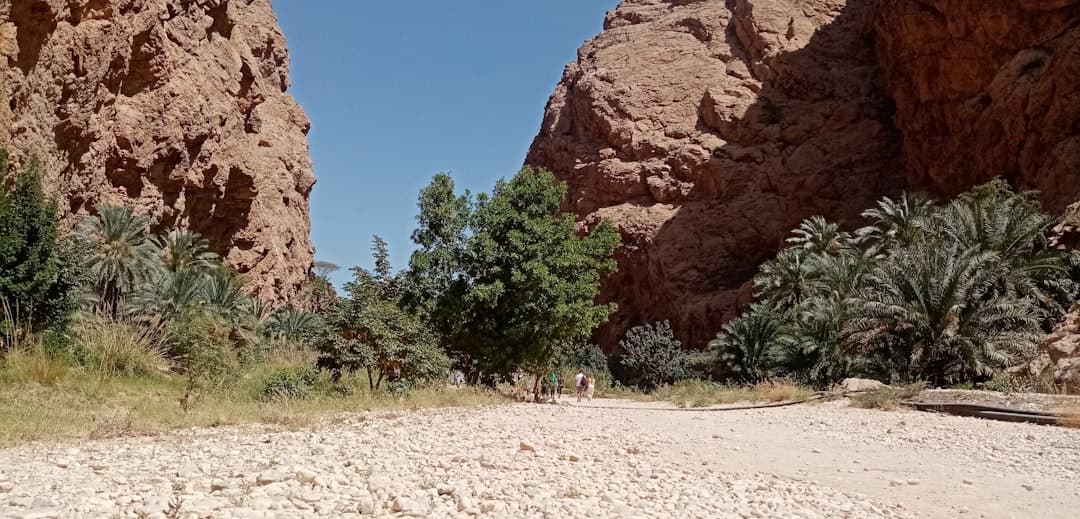
Steep, rocky sections and narrow gullies make Wadi Bani Habib a demanding descent; expect loose scree, exposure, and route-finding challenges that reward hikers with dramatic canyon views.
Experienced parties should carry helmets, sturdy boots, ropes for sections with fixed ladders, and a detailed map; hire a vetted local guide for uncertain route-finding, avoid the wadi during flash-flood months, and allow extra time for technical scrambling and safe retreat.
High-Altitude Safety and Preparation
Acclimatization reduces altitude sickness risk; allow extra time, ascend slowly, monitor symptoms, and carry a basic first-aid kit and a reliable map or GPS.
Managing Steep Gradients and Technical Terrain
Steep gradients require trekking poles, sturdy boots with aggressive tread, and short, steady steps; test handholds, keep weight low, and avoid loose scree or exposed edges.
Hydration and Sun Protection Strategies
Hydration and sun protection matter: sip small amounts often, add electrolytes, reapply high-SPF sunscreen, wear a wide-brim hat, and use UV-rated sunglasses.
Pack extra water bladders and a lightweight filter or purification tablets; aim for at least three liters daily above 2,000 meters, increase intake during heavy exertion or heat, and carry oral rehydration salts for long days. Apply broad-spectrum SPF 30+ every two hours and after sweating, choose breathable long sleeves and a hat, and use UV-blocking sunglasses to limit cumulative exposure.

Cultural Etiquette in Mountain Communities
Local customs favor modesty and quiet conduct in mountain communities; ask before photographing people, accept hospitality politely, and avoid loud behavior near homes and terraces.
Respecting Private Farmland and Rose Gardens
Tread lightly around farms and rose gardens, close gates, avoid picking flowers without permission, and follow farmer instructions to protect crops and irrigation.
Appropriate Dress Codes for Rural Villages
Dress conservatively: cover shoulders and knees, choose loose-fitting garments, and opt for muted colors to respect local sensibilities in village settings.
Visitors should carry a lightweight scarf or long-sleeved layer for homes and small mosques; avoid sheer fabrics, tight shorts, and revealing necklines. Sturdy walking shoes and sun protection are practical on trails, while modest accessories ease interactions with elders and conservative households.
Flora and Fauna of the Al Hajar Range
Hajar slopes shelter endemic plants and mountain birds, offering hikers seasonal color, fragrant rose fields, and unexpected sightings near the trail.
The Seasonal Damask Rose Harvest
Rose harvest peaks in March when locals handpick petals at dawn to extract precious oil for perfumes and traditional remedies.
Identifying Ancient Juniper and Olive Trees
Juniper and olive trees reveal age through gnarled trunks, fissured bark, and hollow sections often marked with lichen and grazing scars.
Observe canopy shape and leaf texture: junipers bear scale-like foliage and a resinous scent, while olives display twisted growth, silvery leaves, and concentric growth rings visible near exposed roots.
Accommodation and Overnight Options
Options for sleeping near Jebel Akhdar include mountain hotels, village guesthouses, and established campsites to suit varying budgets and group sizes; book early during peak months and confirm transport to trailheads.
Luxury Cliffside Resorts and Boutique Stays
Clifftop resorts provide heated terraces, gourmet dining, guided walks, and panoramic sunrise views-expect premium rates and limited availability during festival periods.
Guidelines for Responsible Wild Camping
Camp only on durable surfaces or in designated sites, carry out all waste, use portable stoves, avoid open fires, and keep noise low to protect wildlife and nearby residents.
Local authorities may require permits for overnight stays; obtain permission where needed, avoid sensitive breeding seasons, use biodegradable soap well away from water, pack out toilet paper, and store food securely to prevent wildlife encounters.
Conclusion
Oman travel tips for exploring Jebel Akhdar trails advise acclimatizing to altitude, packing sturdy boots, checking weather and permits, hiring a local guide for safe route finding, carrying sufficient water and layers, and planning early starts to enjoy dramatic views while minimizing risks.
Editorial note: This article was prepared using multiple verified sources and editorial research. The content was reviewed, fact-checked and approved by our editorial team prior to publication.