Travel to Egypt reveals a mosaic of landscapes and monuments that reward patient photographers with dramatic light and timeless subjects. From Nile-side silhouettes to desert panoramas, the country offers varied composition opportunities for both wide-angle grandeur and intimate cultural portraits.
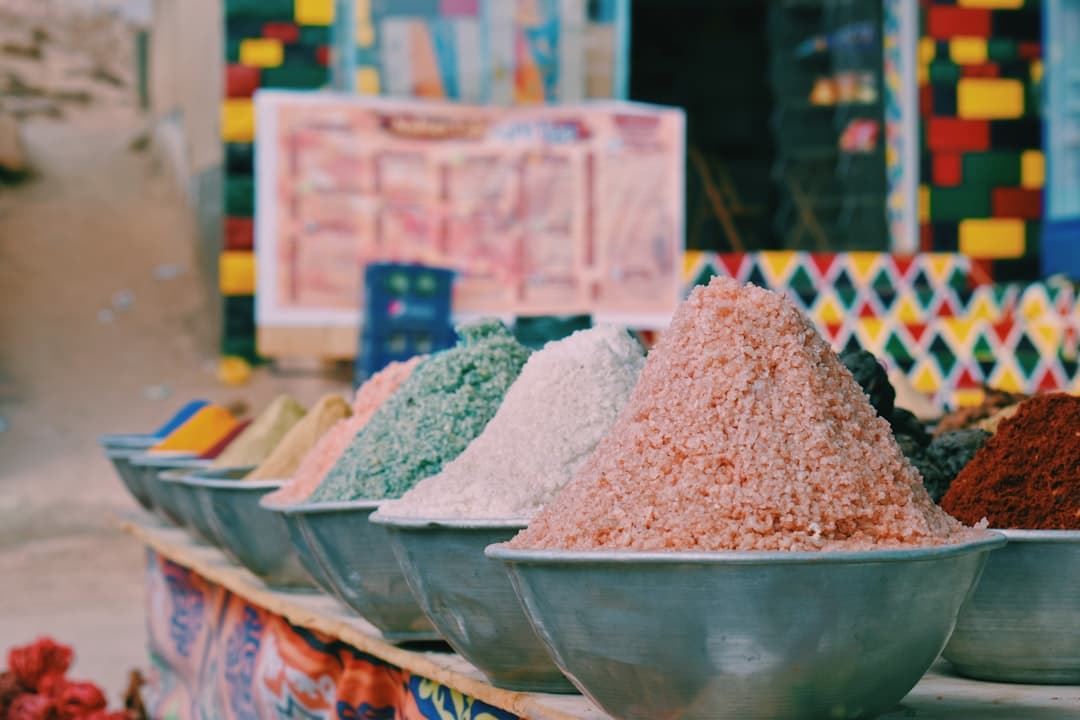
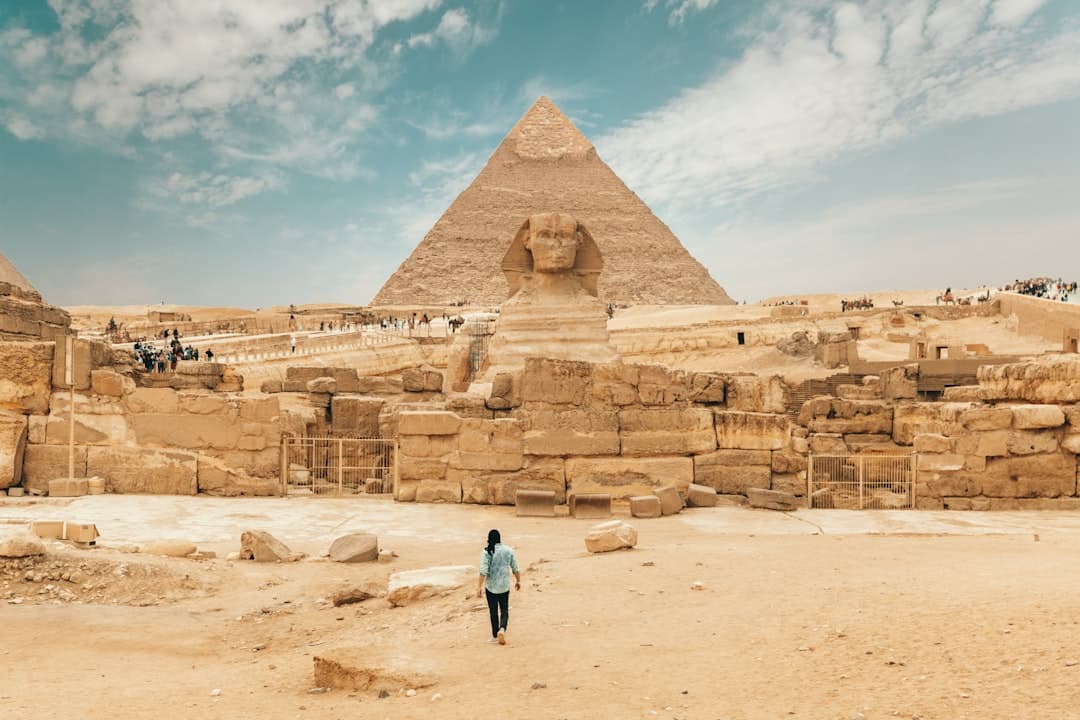
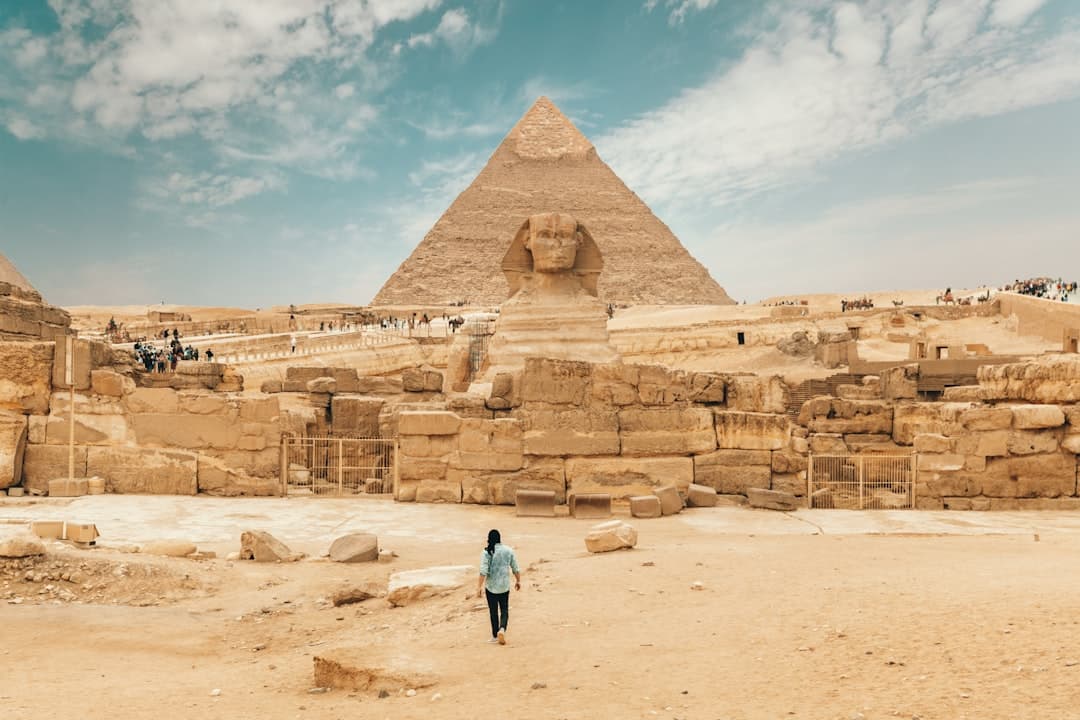
Cairo and Giza blend ancient and urban scenes: the Pyramids framed at sunrise or under a starry sky, the Sphinx in softer morning light, and bustling street life around Khan el-Khalili. The Egyptian Museum holds concentrated treasure troves for detail shots, while rooftops in Islamic Cairo provide elevated views of minarets and alleyways.
Luxor is an archaeological playground. Capture colossal columns at Karnak at golden hour, the atmospheric reliefs inside Luxor Temple after dusk, and the painted tomb chambers of the Valley of the Kings with controlled low-light techniques. Small felucca launches on the Nile create serene foregrounds for temple reflections.
Aswan's tranquil riverbanks and Nubian islands supply vivid color contrasts and portrait opportunities with local communities. South of Aswan, the sun-drenched façades of Abu Simbel present monumental symmetry at first light; plan timing carefully to avoid harsh midday shadows and to take advantage of the cool, early tones.
Alexandria offers a Mediterranean counterpoint: the modern Bibliotheca Alexandrina, the historic Qaitbay Citadel on the Corniche, and sweeping sea horizons that work well for long exposures. Coastal fog and dramatic cloudscapes can add mood to classical architecture and seaside promenades.
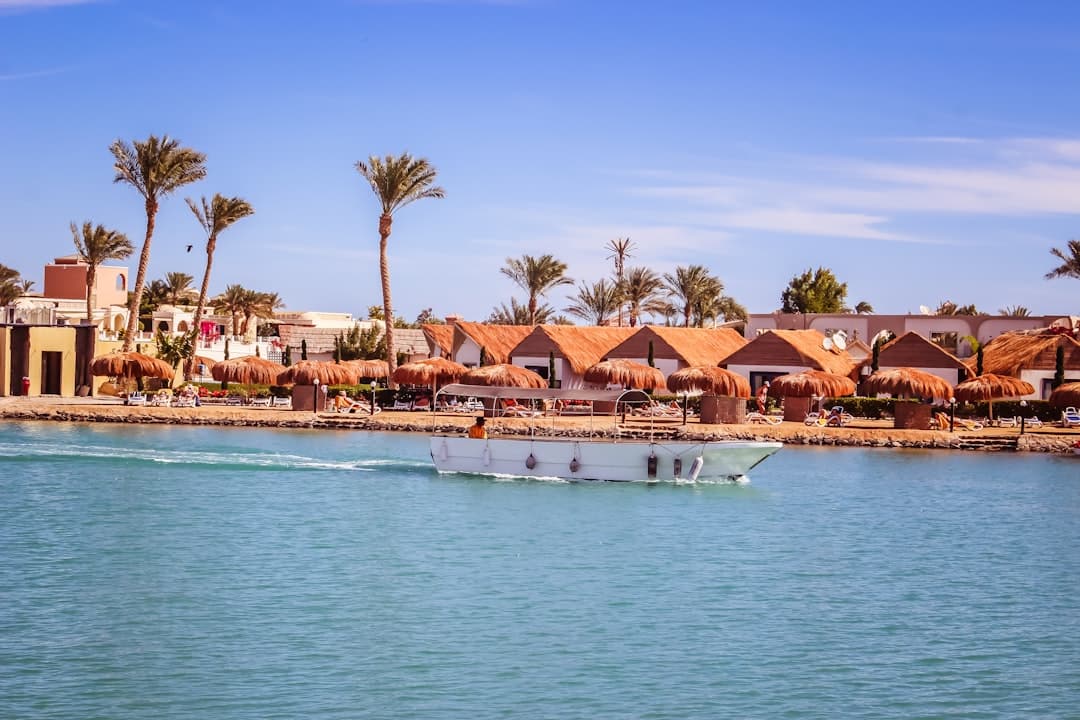
Sinai balances reef and mountain photography. Sharm el-Sheikh and Dahab are gateways to coral reefs and underwater macro shots, while St. Catherine's Monastery and the Mount Sinai sunrise trek reward patience with iconic silhouettes and expansive desert light.
Interior desert zones and oases provide surreal backdrops: the Siwa Oasis with its palm-lined pools and salt flats, the sculpted chalk forms of the White Desert, and Faiyum's lake-fed lagoons and ancient ruins. Night photography here can reveal incredible Milky Way vistas free from light pollution.
Practical tips: shoot at golden and blue hours for the softest portraits and landscape gradients; carry a fast prime, a wide-angle, and a tele for flexibility; use a tripod for low-light interiors and long exposures; secure permissions when photographing sensitive sites or people; dress respectfully and support local guides for access and context.
Editorial note: This article was prepared using multiple verified sources and editorial research. The content was reviewed, fact-checked and approved by our editorial team prior to publication.