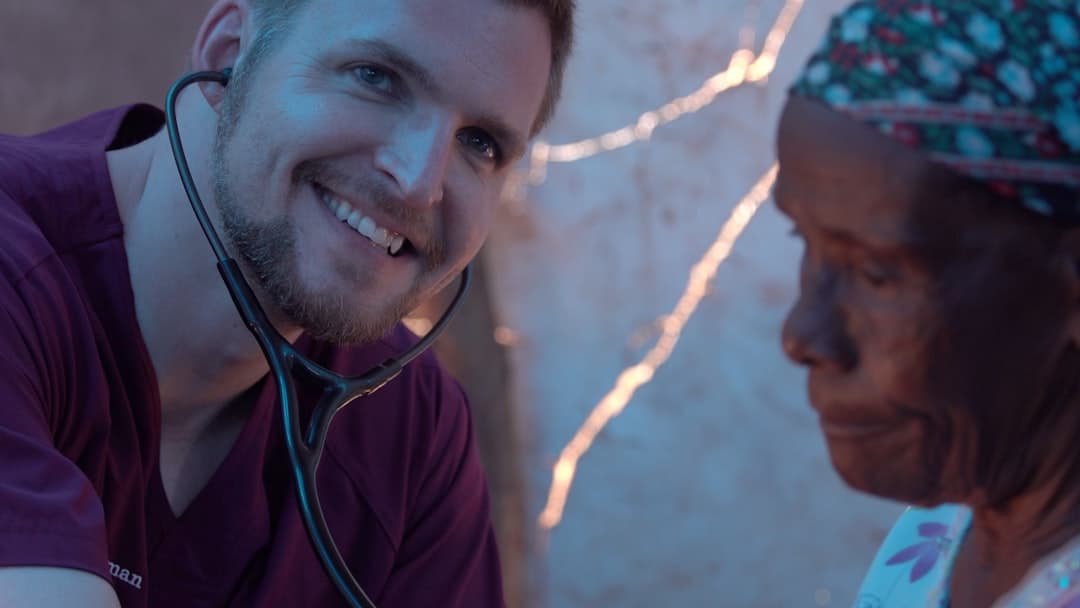
Across the Middle East, national health authorities and international development organizations have been expanding telemedicine infrastructure into remote desert regions that have long faced significant barriers to conventional medical services. These efforts are connecting populations in areas spanning parts of Saudi Arabia, Jordan, Oman, and Egypt's Sinai Peninsula with urban medical facilities and specialist practitioners.
Geographic and Structural Challenges
Desert communities across the region are often separated from major hospitals and clinics by distances of several hundred kilometers, with limited road infrastructure and extreme climatic conditions that complicate patient transport. Historically, residents in these areas relied primarily on periodic mobile clinic visits or made long, costly journeys to urban centers for medical consultations. Chronic conditions, maternal health needs, and specialist referrals presented particular logistical difficulties.
How the Networks Operate
The telemedicine systems being deployed typically involve satellite-based or mobile broadband connectivity linked to local health posts or community centers. Medical personnel at remote sites are able to transmit patient data, diagnostic imagery, and consultation requests to centralized hospitals. Among the medical procedures facilitated remotely are dermatological assessments, radiological image reviews, and follow-up monitoring for chronic disease management. In some configurations, local health workers are trained to operate basic diagnostic equipment whose readings are then reviewed by specialists at distant facilities.
Regional Policy Context
Several Gulf Cooperation Council states have incorporated telemedicine expansion into broader national digital health strategies. Organizations such as the World Health Organization's Eastern Mediterranean Regional Office have documented the growing role of digital health platforms in improving coverage metrics across underserved areas. Funding for these networks has come from a combination of government health ministries, sovereign wealth-linked development funds, and international health bodies.
Infrastructure Limitations
Connectivity gaps, inconsistent power supply, and the need for sustained training of local health personnel remain documented challenges in the operational rollout of these systems across the region's more remote zones.
Open Questions
The long-term sustainability of these networks without continued external funding, the standardization of data protocols across borders, and equitable access for nomadic populations who move seasonally remain areas where further reporting and policy analysis are ongoing.
Sources: World Health Organization Eastern Mediterranean Regional Office (EMRO), Gulf Cooperation Council health ministry public reports, United Nations Development Programme digital health documentation, peer-reviewed literature on telemedicine in low-resource settings.
This article is based on a primary source and has undergone editorial review prior to publication. The information provided is for general informational purposes only and does not constitute medical, therapeutic or health advice. This article is not a substitute for professional diagnosis, consultation or treatment by qualified healthcare professionals.