
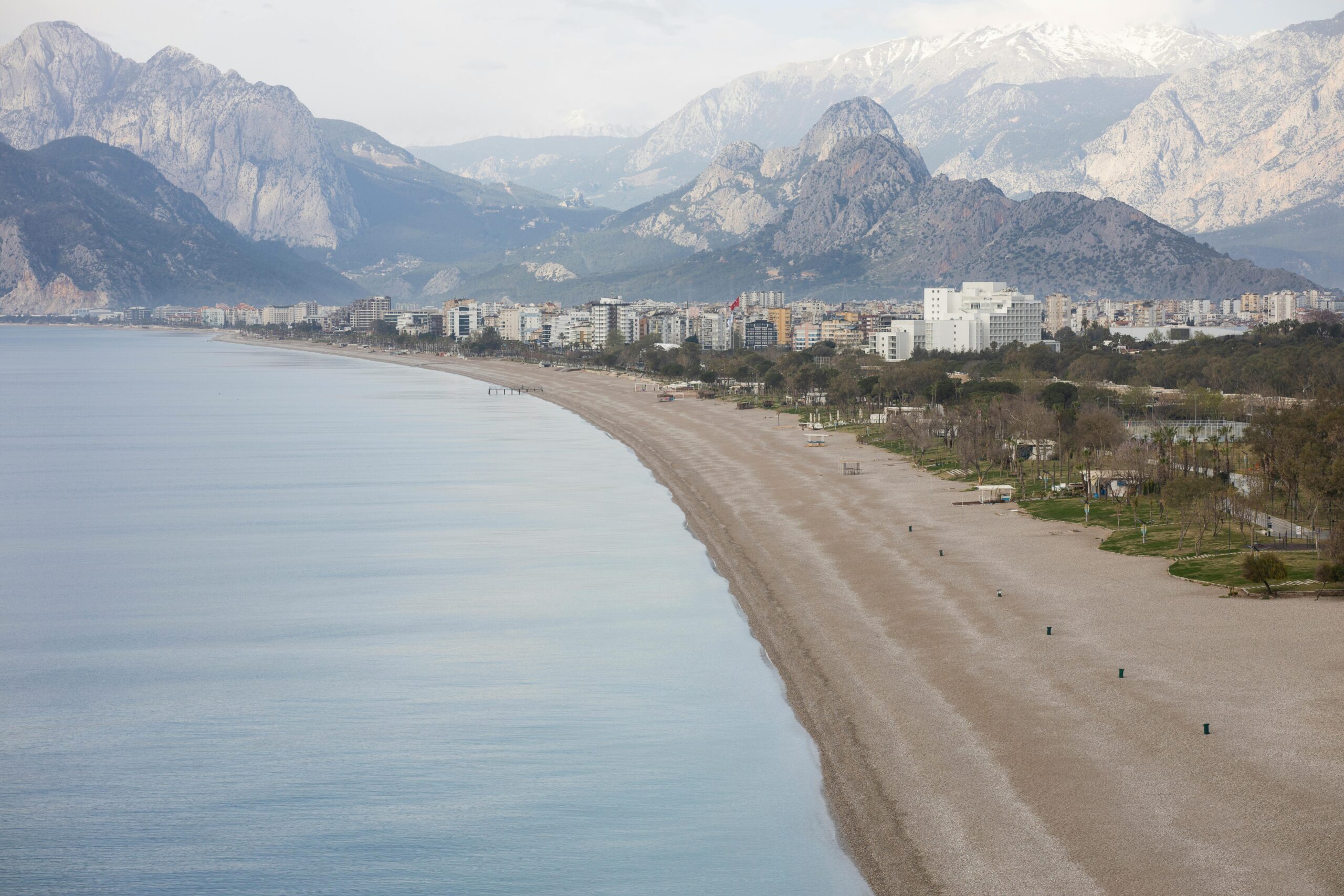
Beaches in Antalya offer golden sands, clear water and diverse amenities. This guide outlines safety measures, transport options, seasonal advice and scenic coastal routes to plan efficient visits.
Seasonal Planning and Arrival Logistics
Timing trips for mid-May to late September offers warm seas and long daylight; early June and late September provide pleasant water temperatures with fewer crowds and lower accommodation rates.
Identifying the peak Mediterranean swimming season
Peak Mediterranean swimming runs June through August, with sea temperatures commonly above 24°C and maximum sun hours; May and September balance comfortable water with reduced visitor density.
Navigating Antalya Airport and coastal transport options
Airport arrivals reach Antalya city via Havaş shuttles, municipal buses, taxis, and rented cars; resort transfer services and pre-booked shuttles cut queue times during peak summer weeks.
Transfers from Antalya Airport (AYT) typically use Havaş coaches to the city and major resorts; municipal buses and dolmuş minibuses run along the coastal D400 for shorter hops. Car hire at the terminal offers flexibility to reach secluded beaches and scenic coastal roads, while taxis and pre-arranged private transfers handle late arrivals and luggage-heavy groups-book ahead in July-August.
The Urban Shoreline: Konyaaltı and Lara
Konyaaltı Beach: Pebble shores and mountain vistas
Konyaaltı Beach offers pebbled shores beneath the Taurus Mountains, crystal water, a long seaside promenade and reliable public facilities; accessible by tram or bus, it suits swimmers, joggers and sunset-watchers who prefer stony shorelines.
Lara Beach: Golden sands and premium beach clubs
Lara Beach boasts wide golden sand, upscale beach clubs, watersport options and family-friendly resorts; expect lively day crowds, private sunbeds, evening dining and quick highway access for travelers seeking polished coastal leisure.
Visitors find private clubs with paid loungers, attentive service and DJ sets alongside public stretches for families; check club entry fees, compare amenities, favor weekdays for fewer crowds and use Dolmuş or taxis for fast transfers from Antalya center.
Exploring the West: The Road to Kaş
Coastal drives from Antalya toward Kaş reveal hidden bays, dramatic cliffs and frequent photo stops; plan 2-3 hours to reach Kaş, allow extra time for detours to small fishing villages and seaside cafés.
Kaputaş Beach: The turquoise canyon cove
Kaputaş Beach sits between towering cliffs, its shallow turquoise water ideal for swimming and snorkeling; arrive early to avoid crowds and use the stairway for the best cove access.
Patara: Ancient ruins and protected dunes
Patara blends a long sandy beach with extensive Lycian ruins and protected dunes; timing your visit outside peak heat rewards quieter shores and thoughtful archaeology walks.
Archaeological site extends uphill from the beach, with a restored theatre, marble columns and narrow streets to explore; an on-site museum exhibit explains Lycian history. Conservation rules restrict vehicle access and dune walking during turtle nesting (May-August), so use marked paths and boardwalks. Local dolmuş serve Patara from Kaş and Fethiye, parking sits near the entrance, and licensed guides provide clearer context on excavations and coastal ecology.
Eastern Coastal Highlights: Side and Alanya
Stretching east from Antalya, Side and Alanya blend archaeological sites, wide beaches, and scenic coastal roads perfect for short drives; pick sheltered coves, sample seaside restaurants, and pace swimming between temple visits to make the most of both towns.
Side’s historical peninsula and swimming spots
Ancient peninsula hosts Roman ruins beside sandy coves; wander narrow streets, swim in warm, shallow bays, and catch short boat trips to quieter beaches during cooler hours.
Cleopatra Beach: The legendary sands of Alanya
Cleopatra Beach boasts famously fine sand and clear water, with sunbeds, shallow swimming near shore, and direct views of the castle-arrive early to avoid crowds.
Visitors reach the beach by dolmuş or short walk from the harbor; limited parking and busy high season make early access preferable. Lifeguards, rental loungers, and nearby eateries support families, while rocky edges at either end offer good snorkelling when currents are calm. Boat traffic stays clear of marked swim areas, but respect flagged zones for safety.

Secluded Bays and Maritime Excursions
Hidden coves off Antalya reward visitors with calm turquoise waters and pebble beaches accessible by short boat rides; hire a local skipper for quiet bays, pack snorkeling gear, and visit at dawn or late afternoon to avoid crowds and enjoy peaceful swimming.
Boat tours to Suluada and the Adrasan coastline
Day trips to Suluada and the Adrasan coast showcase white-sand coves, crystal-clear water, and multiple swim stops; most excursions include snorkeling, a short shore visit, and lunch, ideal for sampling remote beaches without overnight planning.
Exploring the sunken ruins of Kekova by sea
Boat tours through Kekova’s protected zone offer views of submerged walls from glass-bottom boats and guided commentary on Lycian history; anchoring directly on ruins is prohibited, so follow licensed operators and respect marine conservation rules.
Local departures from Üçağız or Kaş run daily in season, with options for private charters that explore Simena’s castle, the sunken city, and nearby caves; swimming is allowed outside protected zones, while diving and mooring require permits.
Practical Advice for the Turkish Riviera
Local tips save time: arrive early to avoid crowds, check sea conditions, prefer licensed boat tours, and confirm return transport on coastal routes.
Beach etiquette and local safety standards
Respect dress norms at public and resort beaches, follow lifeguard flags, avoid loud music late, ask before photographing locals, and report hazards to authorities.
Essential packing for coastal trekking and sun protection
Pack a wide-brim hat, high-SPF sunscreen, polarized sunglasses, quick-dry layers, sturdy walking shoes, a refillable water bottle, and a small first-aid kit for rocky coastal trails.
Include reef-safe SPF 50+ sunscreen (bring at least 200-300 ml for a week), a UV-protective shirt, and lip balm with SPF; carry a lightweight shell, trekking poles, blister supplies, insect repellent, a charged power bank, and a waterproof bag for electronics. Check tide charts and maps before hikes and keep water purification tablets for longer routes.
Final Words
With these considerations, plan beach visits by crowd levels and tides, select coastal routes for views, use local transport or rental cars prudently, follow marine and weather advisories, pack sun protection and water, and book lodging near main beaches to save transit time.