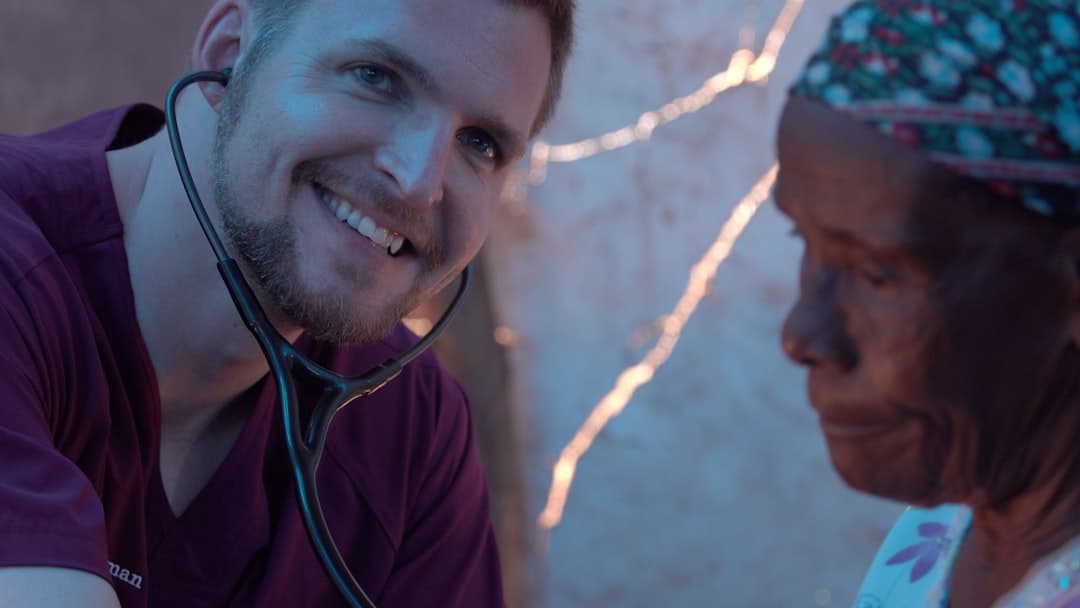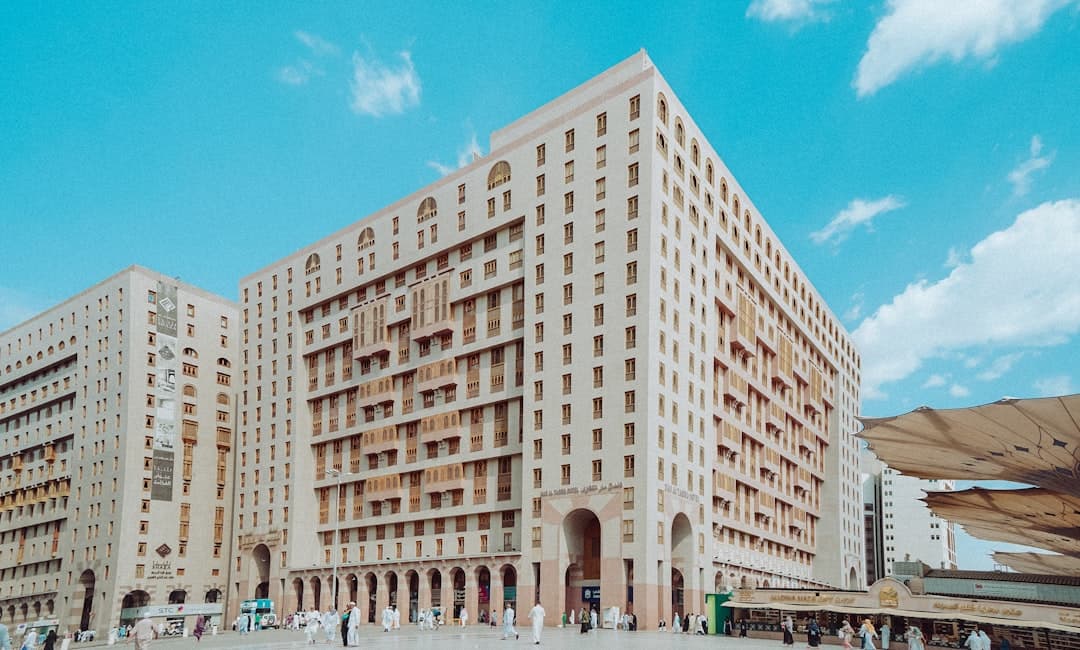
Cities across the Arab world, from Cairo and Amman to Riyadh and Beirut, have seen a notable expansion in mental health infrastructure over recent years. Hospitals, private clinics, and nonprofit organizations have broadened their offerings in response to a growing recognition of psychological well-being as a public health priority.
Shifting Landscape of Mental Health Access
Historically, mental health services in the Arab region were limited in scope and concentrated in major urban hospitals. Stigma surrounding psychiatric conditions contributed to low rates of help-seeking behavior across many societies. In recent years, however, awareness campaigns led by governments, universities, and civil society organizations have contributed to a gradual shift in public perception.
Several Arab governments have incorporated mental health into national health strategies. Saudi Arabia's Vision 2030 framework, for example, includes expanded funding for psychological services within the broader healthcare modernization agenda. Jordan and the United Arab Emirates have similarly introduced licensing frameworks and training programs to increase the number of qualified mental health practitioners.
Digital Platforms and Community Outreach
Alongside traditional clinical settings, digital mental health platforms operating in Arabic have gained traction across the region. These services typically offer text-based or video consultations with licensed therapists, extending access to populations in areas underserved by physical facilities.
Community health centers in cities such as Tunis, Baghdad, and Casablanca have begun integrating psychological support into primary care settings, a model aligned with World Health Organization frameworks for mental health system strengthening.
Workforce and Structural Challenges
Despite visible progress, the region continues to face a shortage of trained mental health professionals relative to population size. The ratio of psychiatrists and psychologists to residents remains significantly below global averages in several countries, according to WHO regional assessments. Medical schools in Egypt, Lebanon, and Morocco have expanded psychiatry and clinical psychology curricula in an effort to address this gap over the longer term.
Open Questions
Whether increased infrastructure investment will translate into equitable access across income groups and rural populations remains an ongoing discussion among regional health policymakers. The long-term sustainability of donor-funded community programs also remains an area of uncertainty.
Sources: World Health Organization Eastern Mediterranean Regional Office (EMRO), Saudi Vision 2030 health framework documentation, Jordan Ministry of Health public health reports, UAE National Health Strategy publications, WHO Mental Health Atlas.
This article is based on a primary source and has undergone editorial review prior to publication. The information provided is for general informational purposes only and does not constitute medical, therapeutic or health advice. This article is not a substitute for professional diagnosis, consultation or treatment by qualified healthcare professionals.