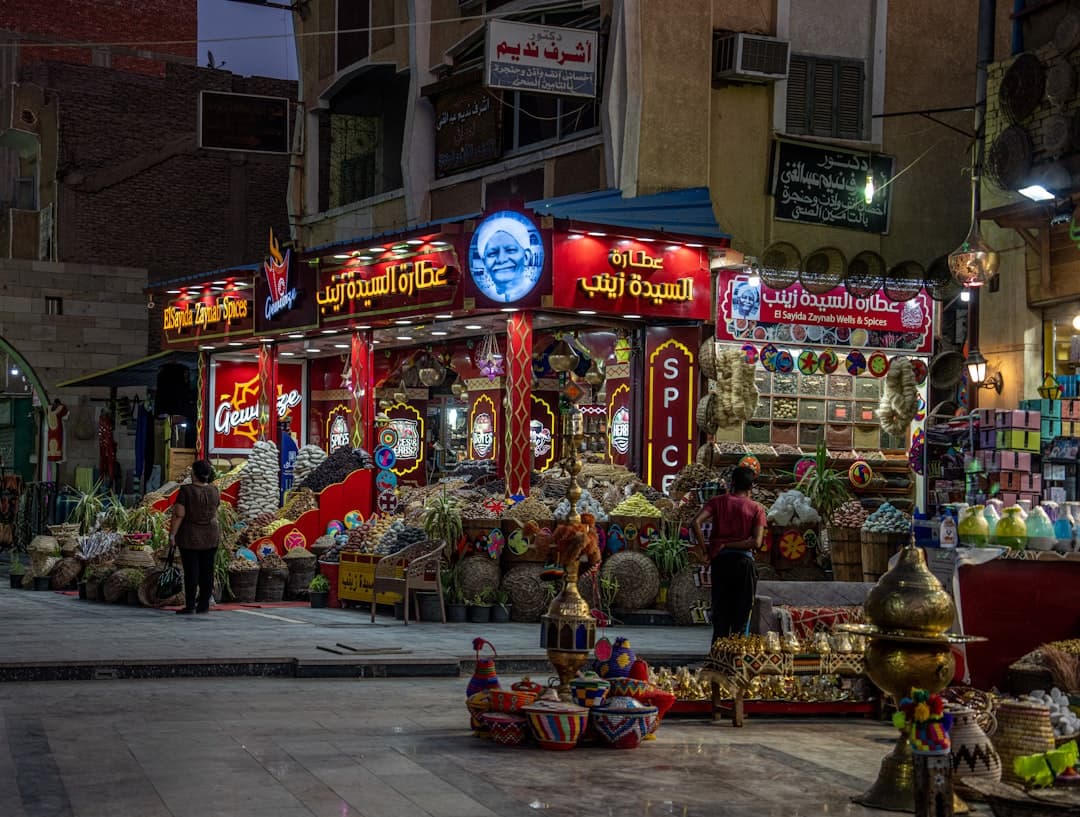
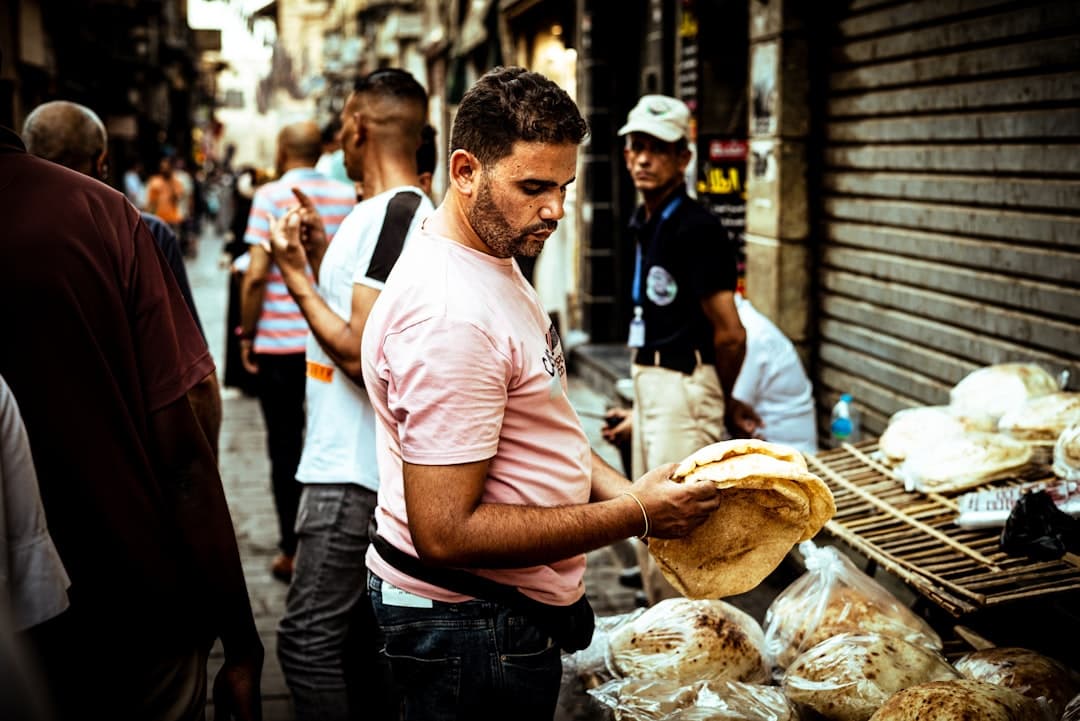
Step onto any bustling Cairo street corner as the sun begins to dip, and you'll catch the scent before you see the stall: cumin-laced tomato sauce simmering, garlic sizzling in oil, and the sweet caramel perfume of onions frying to a deep golden crisp. This is the aroma of koshari, a dish so woven into Egyptian daily life that it transcends class, neighborhood, and generation. From marble-countered downtown eateries to plastic stools set up along dusty alleyways, everyone has an opinion about whose koshari reigns supreme.
Koshari is not a delicate dish, nor does it pretend to be. It is heaped, layered, and generous — a towering bowl of rice, brown lentils, macaroni, and chickpeas, drenched in a garlicky tomato sauce and topped with a blizzard of deeply fried onions. A splash of fiery vinegar-chili sauce called shatta is often stirred in at the table, cutting through the richness with sharp acidity. It is humble in its ingredients yet extraordinary in the way it satisfies — filling, affordable, and deeply nostalgic for anyone who grew up eating it after school or on a rushed lunch break.
What makes koshari remarkable is its ability to unite disparate culinary traditions into a single harmonious bowl. It carries whispers of Indian khichdi, Italian pasta, and Middle Eastern legume cookery, all reimagined through an unmistakably Egyptian lens. This is a dish that tells the story of Cairo itself: layered, complex, and endlessly comforting.
About This Dish
Koshari's origins trace back to the 19th century, when Egypt's trade routes and British colonial presence introduced new ingredients and culinary influences from India and the Mediterranean. Historians believe the dish evolved from Indian khichdi — a simple rice-and-lentil preparation — brought to Egypt by soldiers and traders passing through the Suez Canal. Egyptians adapted it, adding pasta influenced by Italian immigrants and a tomato sauce reflecting Ottoman and Mediterranean flavors.
Today, koshari is considered Egypt's unofficial national dish. It is sold everywhere from dedicated koshari houses — some operating for over a century — to home kitchens where family recipes for the tomato sauce and fried onions are guarded with pride. It is a great equalizer: a bowl enjoyed by laborers and businessmen alike, a symbol of Egyptian ingenuity in transforming modest pantry staples into something greater than the sum of its parts.
Ingredients
- 200 g white rice, rinsed
- 150 g brown or green lentils, rinsed
- 150 g small elbow macaroni or ditalini pasta
- 1 can (400 g) chickpeas, drained and rinsed
- 3 large yellow onions, thinly sliced
- 120 ml vegetable oil, plus extra for frying onions
- 6 garlic cloves, minced
- 1 can (400 g) crushed tomatoes
- 2 tbsp tomato paste
- 1 tbsp white vinegar
- 1 tsp ground cumin
- 1/2 tsp chili flakes (optional)
- 500 ml water or vegetable stock
- Salt and black pepper, to taste
- For the shatta (spicy vinegar sauce): 2 tbsp white vinegar, 1 tsp minced garlic, 1 tsp chili flakes or hot sauce
Preparation
- Cook the lentils: In a pot, cover the lentils with plenty of water and simmer for 20-25 minutes until tender but not mushy. Drain and set aside.
- Cook the rice: In a separate pot, heat 2 tbsp oil, add the rice, and stir briefly. Add 400 ml water and a pinch of salt, bring to a boil, then cover and simmer on low heat for 15 minutes until fluffy. Set aside.
- Cook the pasta: Boil the macaroni in salted water according to package instructions until al dente. Drain and toss with a little oil to prevent sticking.
- Fry the onions: Heat enough oil in a deep pan for shallow frying. Fry the sliced onions in batches over medium heat until deep golden brown and crisp, about 10-12 minutes. Drain on paper towels; they will crisp further as they cool.
- Make the tomato sauce: In a saucepan, heat 2 tbsp oil and sauté the minced garlic until fragrant, about 1 minute. Add the crushed tomatoes, tomato paste, vinegar, cumin, chili flakes, and water or stock. Season with salt and pepper. Simmer for 15-20 minutes until thickened and rich.
- Warm the chickpeas: Gently heat the drained chickpeas in a splash of oil with a pinch of cumin and salt for 3-4 minutes.
- Prepare the shatta: Combine vinegar, minced garlic, and chili flakes in a small bowl. Let sit for at least 10 minutes to meld.
- Assemble the koshari: In each serving bowl, layer rice, then lentils, then macaroni. Spoon warm chickpeas over the top, generously ladle tomato sauce over everything, and finish with a hearty pile of crispy fried onions.
- Serve immediately with shatta on the side for those who want extra heat.
Tips & Variations
The fried onions are the soul of koshari — do not rush them. Slice them thin and uniform, and resist the urge to crowd the pan, which causes steaming rather than crisping. For a shortcut, high-quality store-bought crispy fried onions work in a pinch, though homemade ones deliver superior flavor and aroma.
Some cooks add a touch of ground coriander or a bay leaf to the tomato sauce for extra depth. Vegans and vegetarians will find koshari naturally suits their diet as written, making it an excellent plant-based main course rich in protein and fiber from the lentils and chickpeas.
For a spicier version, blend the shatta with roasted red peppers for a smokier, thicker chili condiment. Leftover components store beautifully separately in the refrigerator for up to three days, making koshari an excellent make-ahead meal — simply reheat and assemble fresh servings as needed.
Serving Suggestions
Koshari is a complete meal on its own, but it pairs beautifully with a simple side salad of cucumber, tomato, and mint dressed in lemon and olive oil to lighten the richness. A glass of hibiscus tea (karkade), served cold and slightly tart, makes a refreshing companion.
Traditionally enjoyed as a quick, satisfying lunch, koshari also shines at casual gatherings where guests can customize their bowls with extra shatta, garlic vinegar, or a squeeze of lemon. Serve it in deep bowls to preserve the beautiful layering, and always keep the fried onions and shatta on the side so diners can adjust each bowl to their own taste — just as it's done on the streets of Cairo.