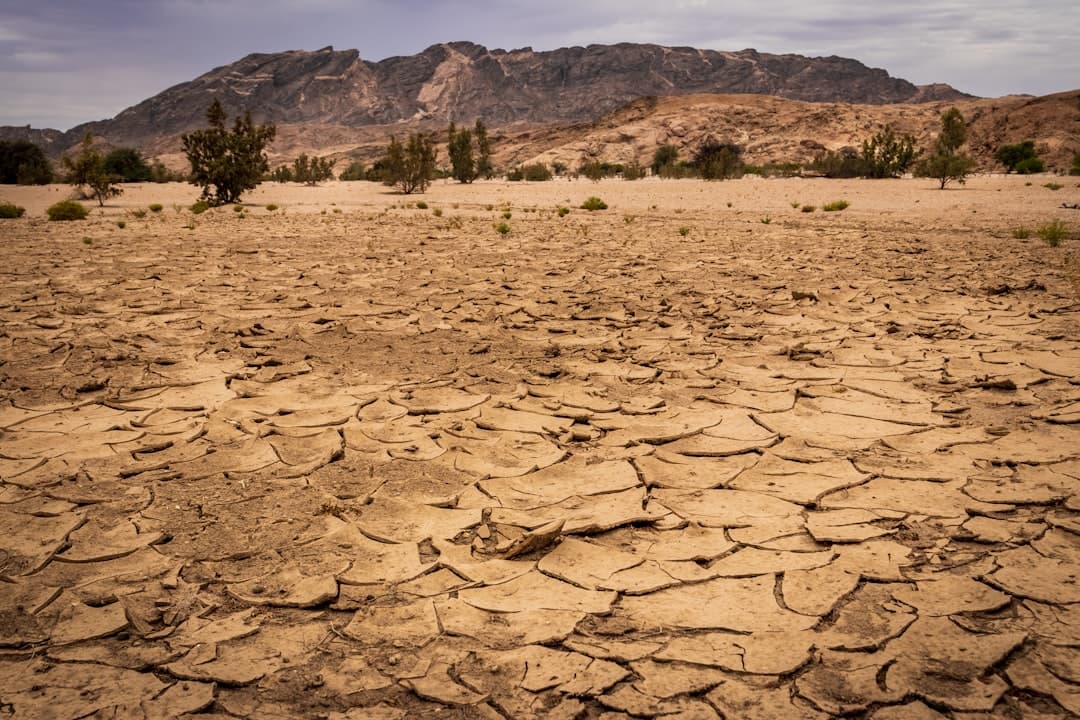
Across the Middle East, where freshwater resources rank among the most constrained on Earth, a convergence of scientific disciplines is producing new approaches to water extraction, purification, and conservation. Research institutions and government-backed laboratories in the Gulf states, Israel, Jordan, and Egypt have expanded programs focused on technologies capable of functioning under extreme heat and low humidity conditions.
Desalination Research Advances
Desalination remains the dominant technological framework for freshwater production in coastal and near-coastal zones. Current research concentrates on membrane-based reverse osmosis systems, in which saline water is forced through semi-permeable barriers under high pressure, separating dissolved salts from the water molecule. Scientists have been examining ways to reduce the energy intensity of this process, a longstanding challenge given the region's dependence on fossil fuel-powered infrastructure. Parallel studies investigate the environmental consequences of concentrated brine discharge into marine environments, with observed effects on benthic ecosystems in the Persian Gulf documented in multiple peer-reviewed assessments.
Atmospheric and Underground Sources
Beyond coastal desalination, research groups are exploring the potential of atmospheric water generation — a process in which moisture is extracted directly from ambient air through condensation or desiccant-based absorption. While yields in desert climates remain significantly lower than in humid environments, advances in hygroscopic materials and solar-driven cycles have extended the operational range of such systems into progressively drier conditions.
Managed aquifer recharge, a method in which treated wastewater or seasonal floodwater is directed into underground geological formations for storage, is under active scientific evaluation in Jordan and the Arabian Peninsula. Hydrogeological surveys have mapped previously underutilized fossil aquifer systems, though the non-renewable nature of these reserves remains a subject of ongoing scientific discussion.
Regional Cooperation and Data Infrastructure
Cross-border hydrological data sharing has expanded through frameworks linked to United Nations agencies, enabling regional modeling of transboundary water systems. Remote sensing technologies, including satellite-based soil moisture mapping and gravimetric measurements of groundwater depletion, now form a component of national water monitoring programs in several states.
Open Questions
The long-term scalability of atmospheric harvesting under projected climate scenarios, the ecological thresholds of brine discharge in enclosed sea basins, and the governance mechanisms for shared fossil aquifer systems remain areas of active scientific inquiry and institutional debate.
Sources: UNESCO World Water Assessment Programme; International Desalination Association research publications; peer-reviewed literature in journals including Water Research, Desalination, and Hydrogeology Journal; United Nations Environment Programme regional assessments.
This article is based on a primary source and has undergone editorial review prior to publication. This text is for scientific information purposes only and does not constitute instructions, advice or recommendations.


