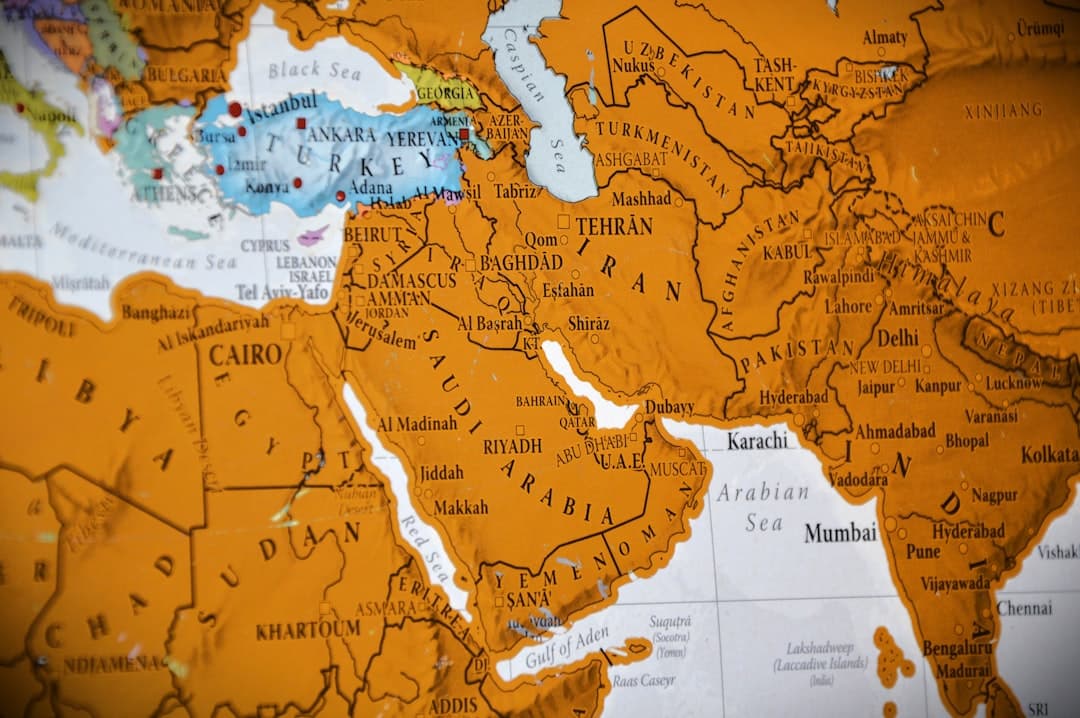
Across the Middle East, a measurable transformation is underway in how healthcare systems are structured, delivered, and accessed. Digital health — an umbrella term encompassing telemedicine, electronic health records, artificial intelligence in diagnostics, and mobile health applications — has moved from experimental adoption to institutional integration in several countries across the region.
National Strategies Driving Adoption
Countries including the United Arab Emirates, Saudi Arabia, and Jordan have embedded digital health priorities within broader national development frameworks. Saudi Arabia's Vision 2030 initiative, for example, identifies healthcare digitization as a pillar of its reform agenda. The UAE has similarly established federal-level programs designed to centralize patient data and expand remote care capabilities across its emirates.
Telemedicine and Remote Access
Telemedicine platforms have expanded significantly across the region, particularly following disruptions to in-person care during the COVID-19 pandemic. These platforms allow patients in geographically remote or underserved areas to access consultations with specialists located in urban centers. Several Gulf states have enacted regulatory frameworks to formally govern the licensing and operation of telehealth providers.
Artificial Intelligence in Clinical Settings
Hospitals and research institutions across the region have begun piloting AI-assisted tools in areas such as radiology, pathology, and patient triage. These systems are described by health authorities as decision-support mechanisms designed to operate alongside clinical professionals rather than replace them. The regulatory landscape governing AI use in clinical environments remains at varying stages of development across different national jurisdictions.
Infrastructure and Data Challenges
Despite significant investment, the region faces documented challenges in achieving interoperability between health systems, standardizing data formats across borders, and ensuring cybersecurity for sensitive patient records. Rural and low-income populations in countries such as Yemen and parts of Iraq and Syria face structural barriers to accessing digital health services due to limited connectivity infrastructure.
Open Questions
The long-term integration of digital health tools within public health systems — and how equitable access will be ensured across socioeconomic and geographic divides — remains an ongoing area of policy discussion across the region.
Sources: World Health Organization (WHO) Eastern Mediterranean Regional Office, Saudi Vision 2030 official documentation, UAE Ministry of Health and Prevention, Arab Health Observatory reports, OECD Health Policy Studies.
This article is based on a primary source and has undergone editorial review prior to publication. The information provided is for general informational purposes only and does not constitute medical, therapeutic or health advice. This article is not a substitute for professional diagnosis, consultation or treatment by qualified healthcare professionals.