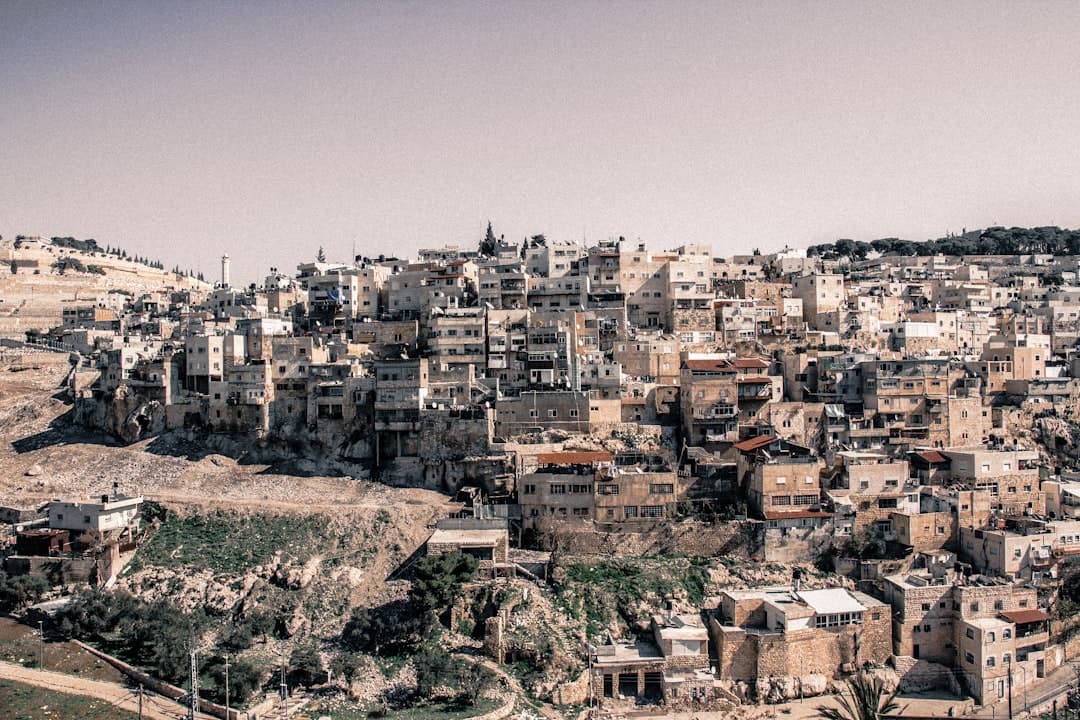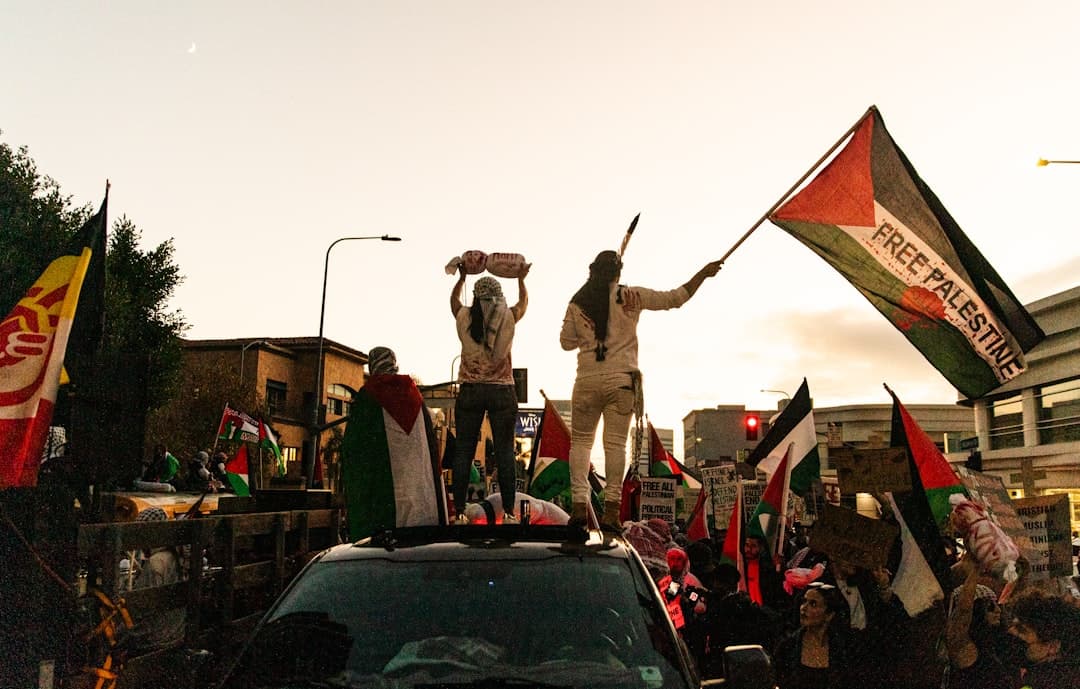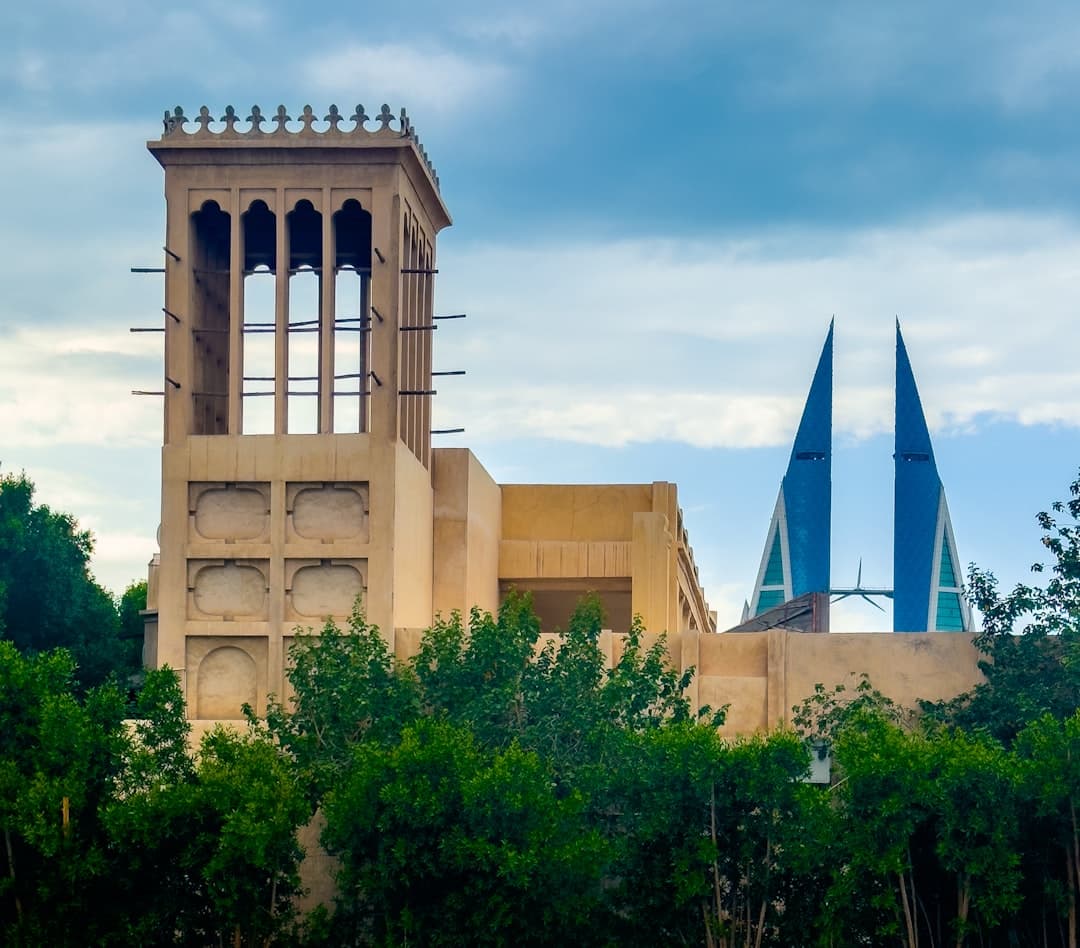

You can explore Ramallah's vibrant markets, museums, and café culture with this concise guide offering practical tips on local customs, transport options, safety considerations, and top sites for an informed, respectful visit.
Essential Logistics and Entry Requirements
Passports and applicable visas are required; verify entry regulations for your nationality before travel. Carry photocopies, emergency contact numbers, and basic local currency for fares or small fees. Allow extra time for administrative checks at transport hubs.
Navigating Checkpoints and Border Crossings
Expect routine ID checks and brief inspections at checkpoints; present documents calmly and follow instructions. Keep travel plans and accommodation details handy, allow time for delays, and prefer licensed transport or prearranged pickups to simplify transfers.
Best Times to Visit for Optimal Weather
Spring and autumn deliver mild days, cool evenings, and prime conditions for walking and cultural outings; pack layers, light rain protection, and sun care for variable conditions.
Summer brings hot, dry weather with high daytime temperatures-schedule early or late activities and carry water and sun protection. Winter is cooler with intermittent rain and shorter daylight; bring a waterproof layer. March-May and September-November offer the most comfortable temperatures and fewer crowds, while local holidays can affect opening hours and services.
Cultural Etiquette and Social Norms
Local etiquette values modest interactions, polite questions and accepting invitations; avoid public displays of affection, speak quietly in religious sites, and always ask permission before photographing people or private property.
Dress Codes and Modesty in Public Spaces
Respectful attire is expected in many settings; cover shoulders and knees, choose loose-fitting garments, and carry a scarf for mosque visits or conservative neighborhoods.
Understanding Local Hospitality and Greetings
Greet hosts with a handshake or a nod, accept offered tea or sweets, and decline once before accepting to show polite restraint.
Understanding Local Hospitality and Greetings
Hosts often express warmth through generous portions, repeated offers and storytelling; respond with gratitude, modest acceptance, and attentiveness to seating and gender customs-home invitations signal trust and can lead to extended visits.
The Artistic Heart of Ramallah
Ramallah brims with creative energy, where murals, studios and performance spaces invite visitors to experience contemporary Palestinian artistry firsthand.
Exploring Contemporary Art Galleries and Museums
Galleries and museums present experimental painting, sculpture and multimedia, alongside curated exhibits that place art within social and historical context.
The Significance of the Mahmoud Darwish Museum
Darwish's museum preserves manuscripts, recordings and personal items, framing his poetry as a touchstone for national identity and cultural conversation.
Inside the museum, interactive displays and scheduled readings offer deeper insight into Darwish's themes of exile, memory and language, often supported by guided tours and educational programs.
Palestinian Gastronomy and Coffee Culture
Ramallah pulses with fragrant spices, mezze traditions, and a thriving coffee culture that anchors daily life; taste olive oil dishes, fresh labneh, sweet kanafeh, and strong Arabic coffee in markets and boutique cafes.
Must-Try Traditional Dishes and Street Food
Savor musakhan, maqluba, falafel and shawarma at street stalls, plus creamy hummus, roasted eggplant dishes, and syrupy kanafeh from family bakeries.
Navigating the Vibrant Cafe and Nightlife Scene
Evenings bring bustling cafes, live music nights, rooftop terraces and late eateries where friends sip strong Arabic coffee, mint tea, or fruity shisha.
Locals favor cafes in Al-Masyoun and Al-Manara for acoustic sets and espresso-style Arabic coffee; expect relaxed dress, polite conversation, cash payments, and friendly invitations to sample sweets-ask staff for house specialties and peak hours to avoid queues.
Markets and Sustainable Souvenirs
Markets offer an authentic taste of Ramallah, where sustainable souvenirs include olive-wood carvings, hand-dyed textiles, and upcycled crafts. Haggle politely, seek locally made labels, and choose items with minimal packaging to support low-impact shopping.
Shopping at Al-Manara Square and Local Souks
Stalls around Al-Manara Square and nearby souks brim with spices, ceramics and contemporary Palestinian design; ask vendors about origins and prefer artisans' marks. Visit mornings for freshness and weekdays to avoid crowds.
Supporting Fair Trade Artisans and Women's Collectives
Artisans sell certified fair-trade goods-embroidery, ceramics and soaps-through cooperatives led by women. Buying directly channels income back into communities and sustains traditional skills.
Cooperatives often host open studios in Ramallah; ask for artisan backgrounds, inquire about material sourcing and fair-pay practices, and request certificates when available. Bring cash in small denominations, confirm shipping options for fragile items, and consider custom commissions to support steady income. Local NGOs and fair-trade labels can help verify legitimacy.
Communication and Language Basics
Local Palestinian Arabic dominates, though English is widely spoken in Ramallah among younger people and service workers; polite greetings and modesty in speech go a long way.
Key Arabic Phrases for Respectful Interaction
Basic phrases like "salaam alaykum", "shukran", and "min fadlak" show respect; pronounce slowly, use formal address for elders, and smile to bridge language gaps.
Connectivity and Staying Online During Your Stay
SIM cards from Jawwal and Wataniya provide reliable data; buy prepaid plans at airports, kiosks, or shops, and expect free Wi-Fi in many cafés and hotels.
Consider bringing an unlocked phone and your passport for quick SIM registration; local shops activate service immediately. Buy a prepaid data bundle for maps and messaging-WhatsApp is the primary local calling tool. Turn off roaming to avoid surprise bills and prefer café or hotel Wi‑Fi for large uploads. Carry a charged power bank and a local charger adapter for long days in the city.
Conclusion
With this in mind, travelers should respect local customs, sample Ramallah's cafés and markets, use reliable guides, keep identification handy, and plan flexible itineraries to balance cultural sites with community interaction. Observing dress norms and polite behavior ensures a respectful, informative experience.
Editorial note: This article was prepared using multiple verified sources and editorial research. The content was reviewed, fact-checked and approved by our editorial team prior to publication.