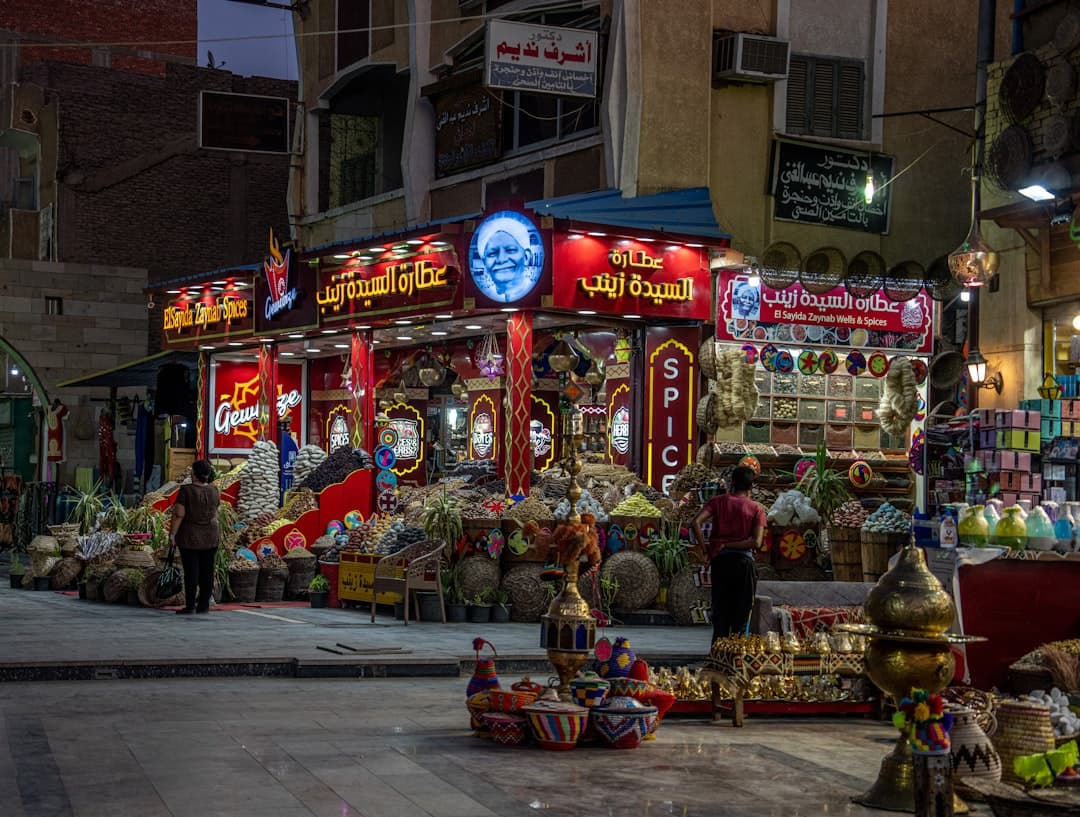
There's a depth to Egyptian cuisine that comes from millennia of trade, Nile abundance, and home kitchens passed down through generations. Staples and street offerings reflect history and geography: simple legumes, aromatic herbs, and bold, comforting combinations that both feed and tell stories of daily life. From market stalls to family tables, the flavors balance tang, earthiness, and fragrant heat without overwhelming the palate.
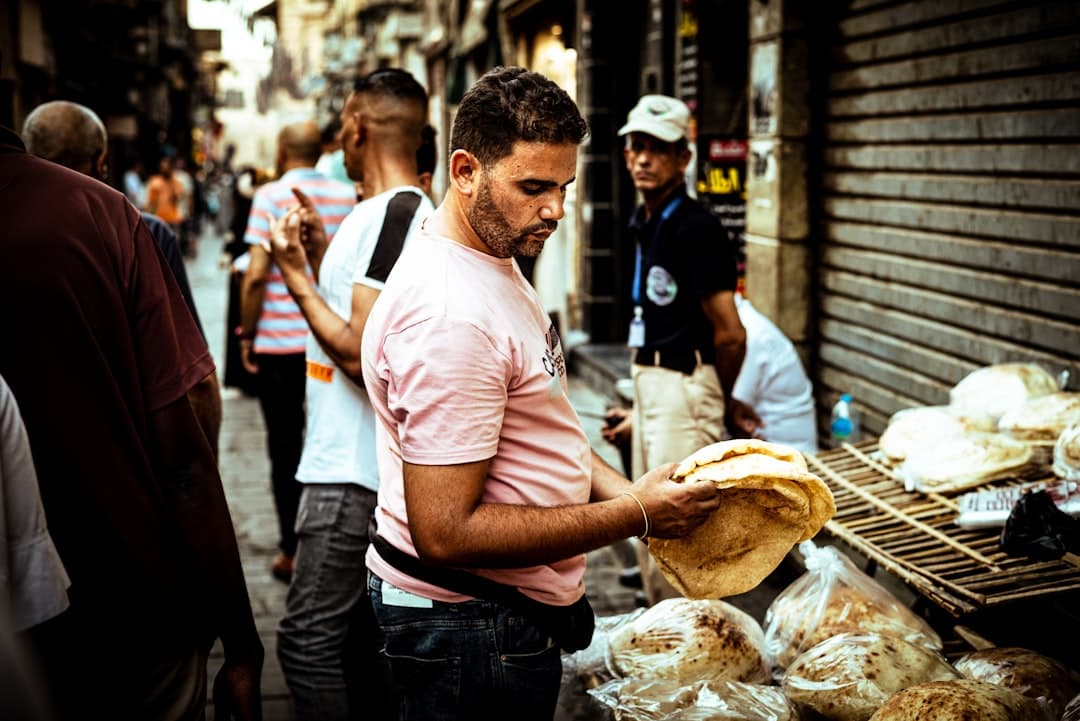
Koshari is the country's unofficial national dish - a layered harmony of lentils, rice, pasta, chickpeas, spiced tomato sauce, and crispy fried onions. Ful medames, slow-simmered fava beans seasoned with garlic, lemon, and cumin, is the classic breakfast that powers mornings. Ta'ameya, Egypt's version of falafel made with crushed fava beans and fresh herbs, is crisp on the outside and green within. Street food culture also includes hawawshi (spiced meat baked in bread) and aish baladi, the round, whole-wheat flatbread that accompanies almost every meal.
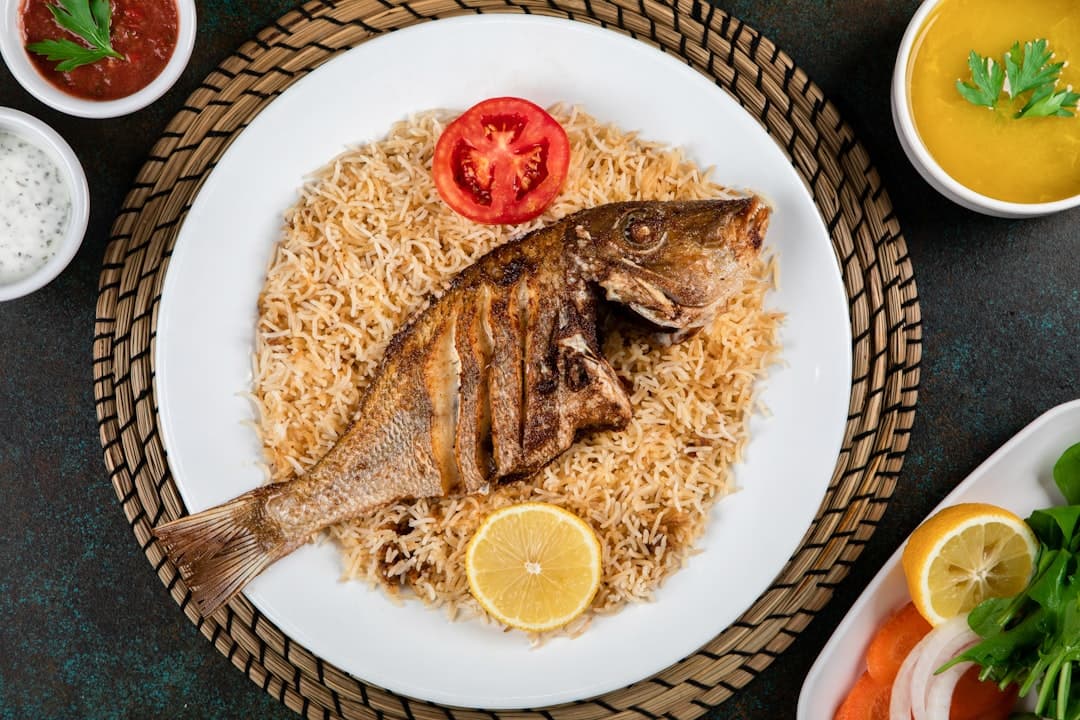
Home kitchens shine with dishes meant to gather people: mahshi - vegetables and vine leaves stuffed with rice and herbs - and molokhia, a velvety jute-leaf soup often served with chicken or rabbit and brightened with garlic and coriander. Grilled and minced meats appear as kofta and kebab, while sayyadiya showcases the coastal affinity for spiced fish and rice. Seasonal traditions include feseekh, a salted fermented fish eaten during the spring festival of Sham El-Nessim, an acquired taste that links food to ritual.
Desserts and drinks round out the profile with sweetness and floral notes. Umm Ali, an Egyptian bread pudding of puff pastry, nuts, and milk, is a festive favorite. Basbousa and konafa join honey and semolina to the repertoire, while sesame, dates, and nuts appear in pastries and confections. Beverages like mint tea and karkadeh (hibiscus tea) balance richer foods and are served hot or chilled depending on the season.
Key ingredients - cumin, coriander, dill, garlic, lemon, tahini, and fresh herbs - create a distinctive palette, while techniques such as slow simmering, open-fire grilling, and deep frying yield texture as well as taste. Regional influences from the Mediterranean, Levant, Nubia, and Sub-Saharan Africa converge to make Egyptian cuisine at once humble and celebratory, a culinary expression of land, river, and shared tables.
Editorial note: This article was prepared using multiple verified sources and editorial research. The content was reviewed, fact-checked and approved by our editorial team prior to publication.