Just as its history blends empires and cultures, Iranian cuisine marries fragrant spices, fresh herbs and slow-cooked techniques to create layered, balanced dishes. Saffron, pomegranate, dried lime, sumac and rosewater are hallmarks that give meals floral, tart and earthy notes, while rice and bread form the foundation of daily eating.
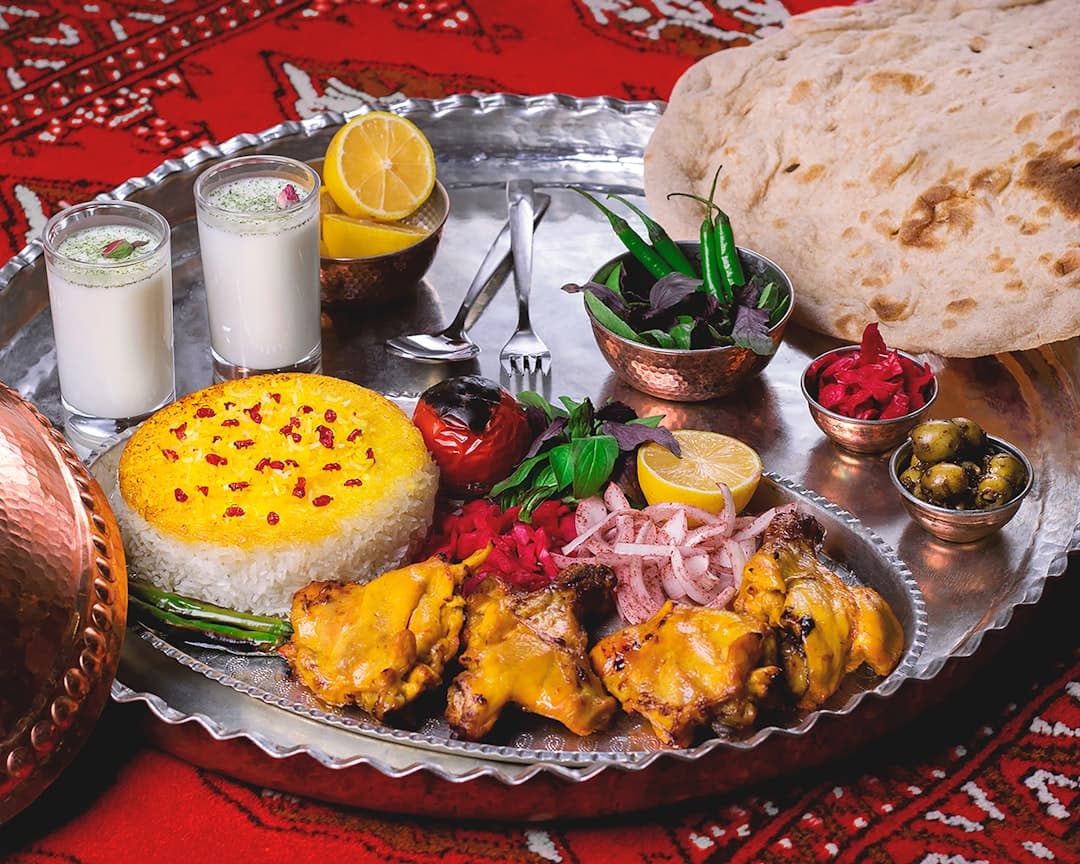
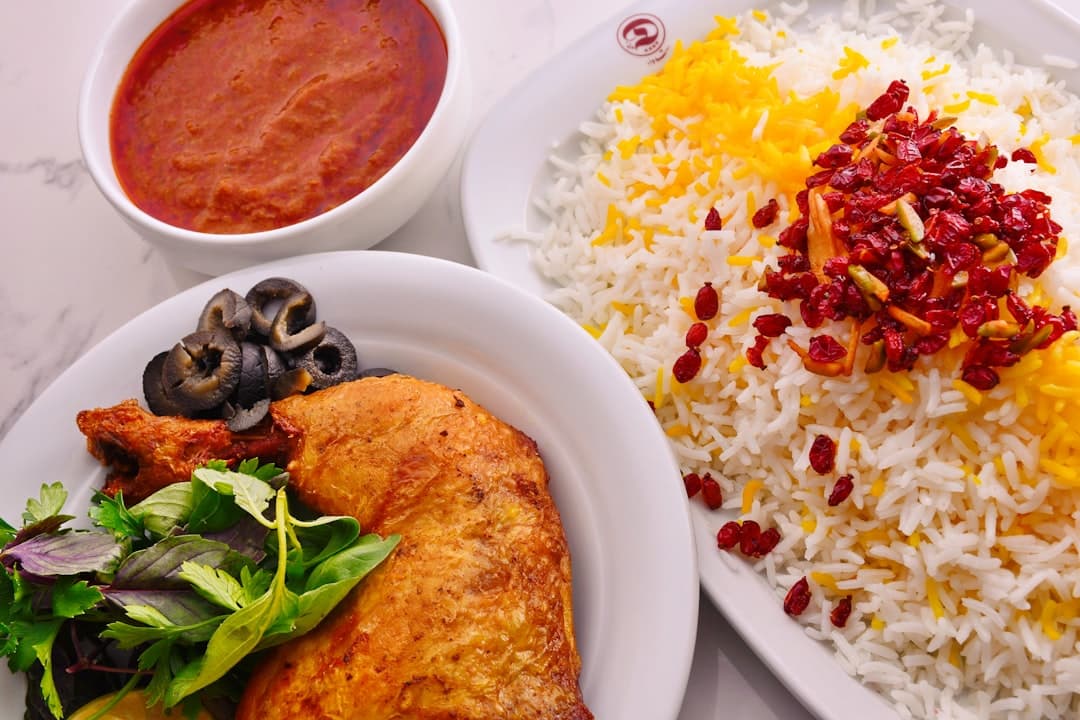
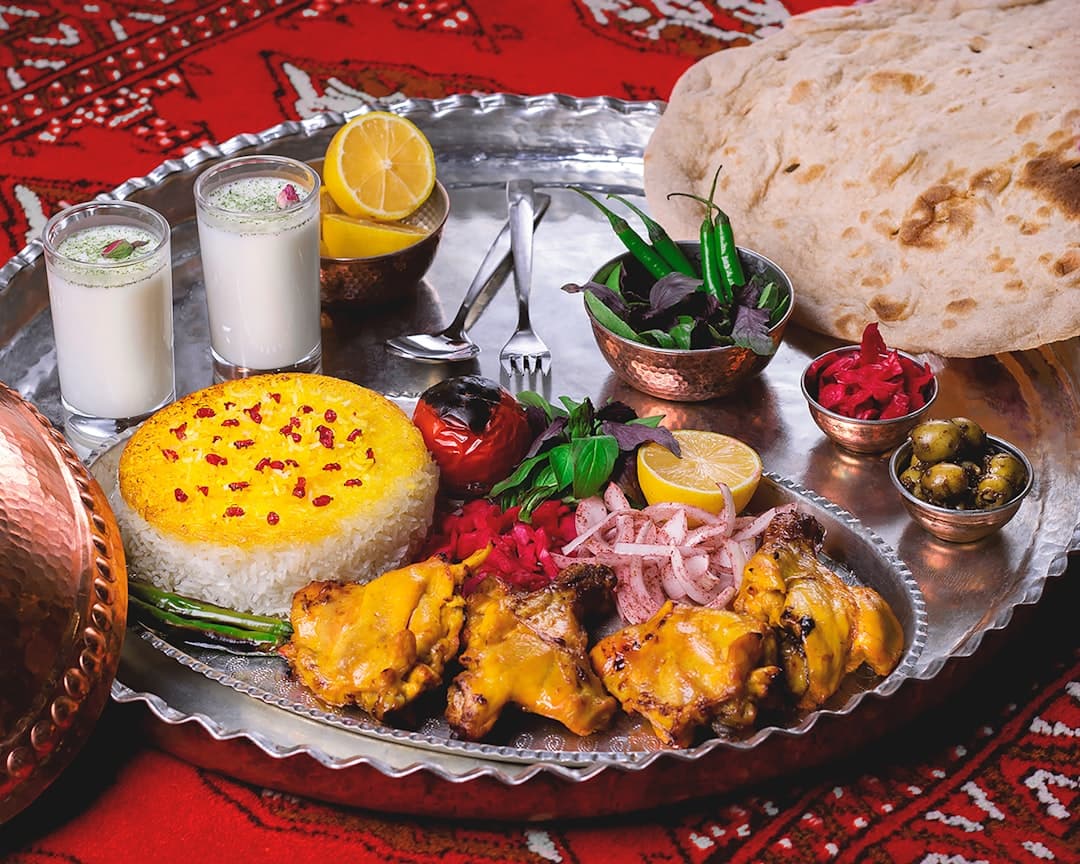
Chelow kebab-grilled meats served with steamed rice-is the country's signature street and banquet fare, with koobideh (minced lamb or beef) and barg (filet) as popular variants. Rice itself is an art: fluffy, separate grains contrast with tahdig, the caramelized crispy crust prized across tables. Pilafs like zereshk polo (barberry rice with saffron and chicken) and baghali polo (dill-and-fava bean rice) showcase how fruit, herbs and spices elevate simple starches.
Khoresh (stew) defines homestyle Persian cooking. Ghormeh sabzi combines herbs, kidney beans and dried limes for an herbaceous, tangy depth; fesenjan is a silky, pomegranate-walnut stew often made with duck or chicken for sweet‑and‑sour richness; gheymeh blends split peas and tomato with dried lime and fried potatoes for a comforting, savory profile. Abgoosht or dizi is a rustic lamb-and-chickpea broth eaten by mashing solids into a coarse pate and sipping the broth-an experience as social as it is flavorful.
Vegetarian and mezze offerings highlight textures and concentrated tastes: ash reshteh, a noodle-and-herb soup thickened with kashk (whey), is hearty and tangy; kashk-e bademjan layers roasted eggplant with caramelized onion and fermented whey; mirza ghasemi from the Caspian region celebrates smoky eggplant, tomato and garlic. Fresh herb platters (sabzi khordan), pickles and flatbreads like sangak and lavash accompany nearly every meal, balancing richness with crispness and acidity.
Desserts and drinks complete the palate: saffron-infused bastani (ice cream), sholeh zard (saffron rice pudding) and fragrant pastries offer restrained sweetness often paired with Persian tea. Regional specialties-from the fish dishes of the Caspian coast to the aromatic stews of Fars-illustrate how geography and seasonality shape a cuisine that values balance, hospitality and the slow development of flavor.
Editorial note: This article was prepared using multiple verified sources and editorial research. The content was reviewed, fact-checked and approved by our editorial team prior to publication.