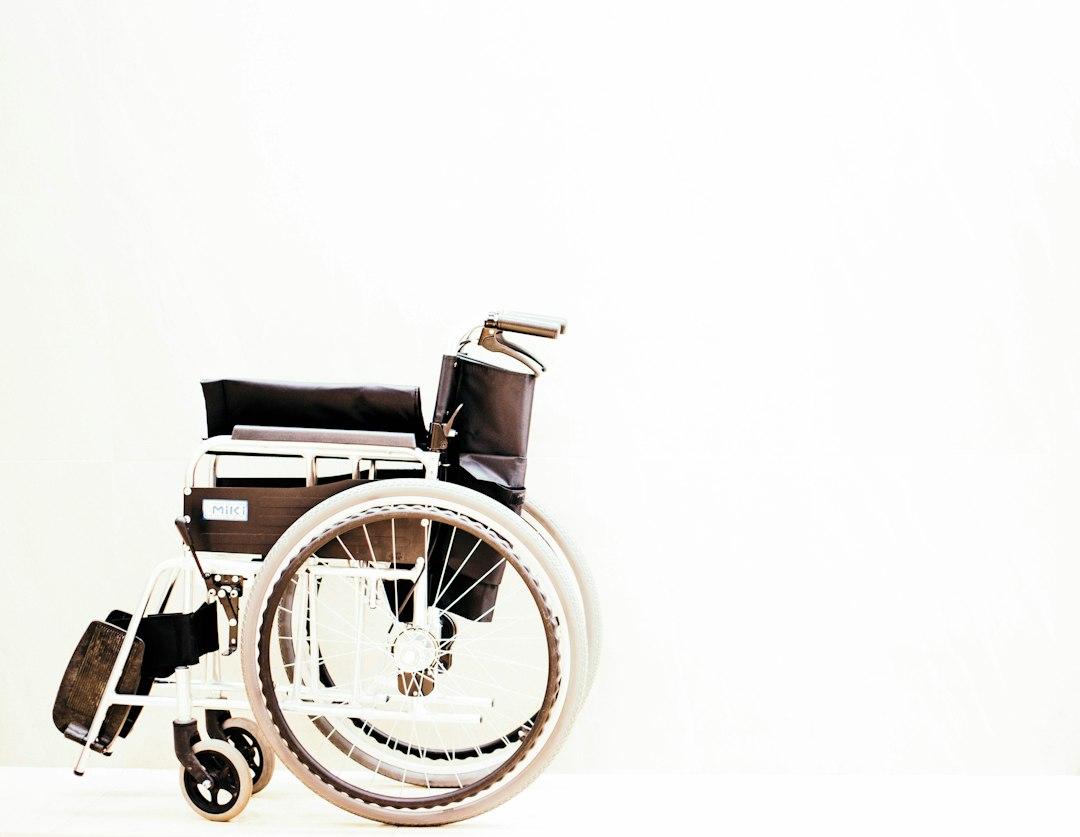
Three siblings in Gaza, each born without legs and with only two fingers on each hand, have received a range of customised assistive devices that allow them to study, move, and carry out daily activities more independently, according to the international non-governmental organisation EducAid, which delivered the support with funding from the UN's aid coordination office OCHA.
The three children — 10-year-old Anas, 17-year-old Sujood, and 15-year-old Mohammad — had previously relied on crawling or being carried by their mother. Writing and eating posed particular difficulties due to limited hand grip and poor balance. The intervention, carried out despite ongoing violence across the Gaza Strip, was designed individually for each child's needs in both home and school environments.
For Anas, EducAid upgraded his wheelchair with a detachable table and an adaptive waterproof protector shield for his lower body. He also received a customised pen grip, an adjustable slant table, and hand-walking aids. His mother said the tools had helped him become more independent, "especially with writing and eating." Anas told the support team: "I am very happy and I love you so much."
Sujood received a size-40 wheelchair fitted with a detachable dining table, an adjustable slant table, an adaptive lower body waterproof protector shield, and a hand support walking aid. Before the intervention, writing had required her to lie down. "For the first time I have my own chair. I slept in it so that none of my siblings would take it from me," she said. "I feel that someone cares about me." She added that the chair would help her pursue her ambition to study media, and that she could now move outside the tent without soiling her clothes.
Mohammad's package included a specially adapted wheelchair with a skateboard, which EducAid designed and produced in its own workshops and laboratories. His mother noted that hand grips protect his hands "from wounds, slipping, and the hardship of crawling," and that a commode chair "made a huge difference." Mohammad said: "I am very happy with the table — my clothes no longer get dirty."
The children's teacher noted that they had "started writing more effectively" since receiving the devices, adding: "The children are distinguished in learning, they are eager to study, and they truly deserve a chance."
This article is based on a primary source and has undergone editorial review prior to publication.


