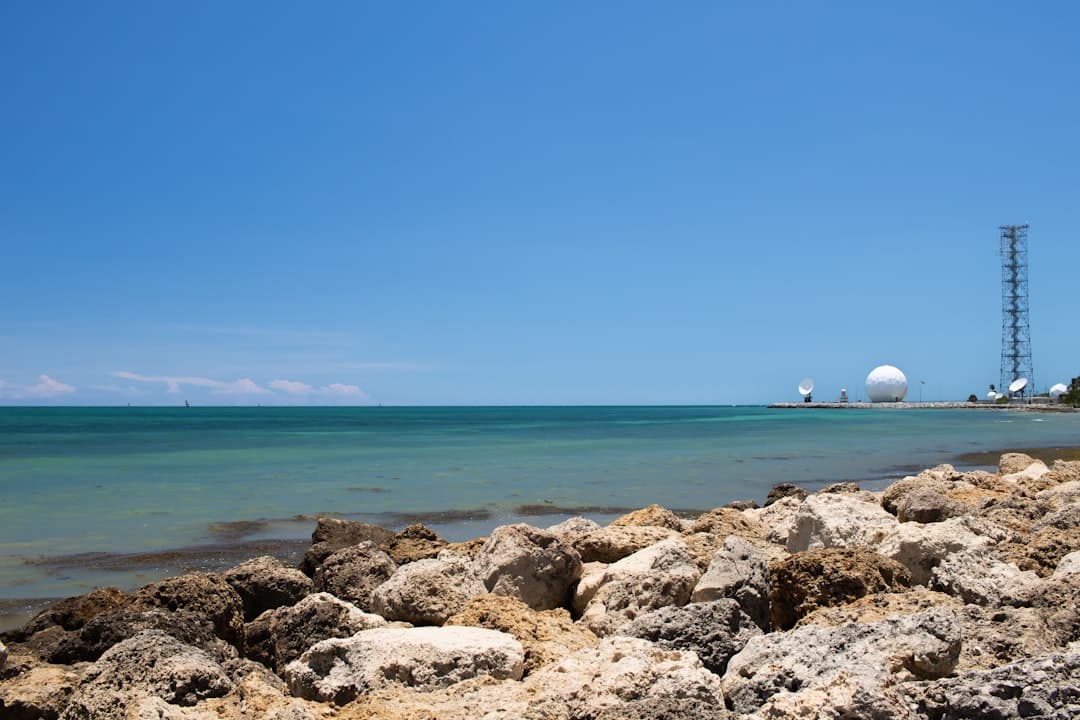
Countries across the Middle East and North Africa have been channeling substantial resources into renewable energy research and development, positioning the region as an emerging center of clean technology innovation. From solar photovoltaic research in the Arabian Peninsula to hydrogen pilot programs in North Africa, a broad spectrum of scientific and engineering activity is reshaping the region's energy research profile.
Solar Science at the Forefront
The Arabian Peninsula's geographic conditions — among the highest solar irradiance levels recorded globally — have made it a natural environment for photovoltaic and concentrated solar power research. Institutions in Saudi Arabia, the United Arab Emirates, and Jordan have established dedicated research centers examining advanced cell materials, thermal storage systems, and grid integration methods. Perovskite solar cell technology, a class of materials under active global investigation for its potential energy conversion properties, has drawn particular scientific interest from laboratories in the region.
Hydrogen Research Expands Across the Region
Parallel to solar research, green hydrogen production — generated through electrolysis powered by renewable electricity — has become a significant focus of scientific programs in Egypt, Oman, and Morocco. These countries possess combinations of wind and solar resources that researchers have identified as relevant to hydrogen production studies. Several large-scale pilot facilities are operating or under construction, providing data on electrolyzer performance, storage logistics, and long-distance transport feasibility under regional climatic conditions.
Technology Transfer and Regional Collaboration
Scientific cooperation frameworks between MENA institutions and European, East Asian, and North American research bodies have expanded measurably over the past decade. Joint laboratories, co-authored research publications, and shared patent filings reflect a deepening integration of the region's scientific community into global clean energy research networks. Universities in Abu Dhabi, Cairo, and Rabat have reported growth in graduate programs specifically focused on energy engineering and materials science.
Grid Modernization Research
Beyond generation technologies, research programs are examining smart grid architectures capable of managing variable renewable inputs across interconnected national networks. Studies conducted across the Levant and Gulf Cooperation Council states have explored demand-response modeling, battery storage chemistry, and distributed energy management systems as components of future grid infrastructure.
Open Questions
Researchers continue to examine the long-term degradation rates of solar materials under extreme heat and dust conditions specific to arid environments. The economic and technical parameters governing large-scale green hydrogen export infrastructure remain subjects of ongoing scientific inquiry, as do the water-use implications of hydrogen electrolysis in water-scarce geographies.
Sources: International Renewable Energy Agency (IRENA), International Energy Agency (IEA), King Abdullah University of Science and Technology (KAUST) publications, Masdar Institute research outputs, African Development Bank energy reports, Nature Energy peer-reviewed literature.
This article is based on a primary source and has undergone editorial review prior to publication. This text is for scientific information purposes only and does not constitute instructions, advice or recommendations.


