Art museums in Tehran preserve centuries of Iranian heritage through curated collections, archaeological finds, and contemporary exhibitions, guiding researchers and visitors toward deeper understanding of national art history.
The National Museum of Iran: Foundations of Persian Civilization
Established in Tehran, the National Museum presents layered galleries tracing Persian civilization from Paleolithic finds to Sasanian treasures, with curated displays and contextual research supporting scholars and public audiences.
Archaeological Treasures of the Pre-Islamic Era
Excavations showcased here include pottery, reliefs and inscriptions that map pre-Islamic social structures and imperial reach across millennia.
Islamic Art and the Continuity of Cultural Heritage
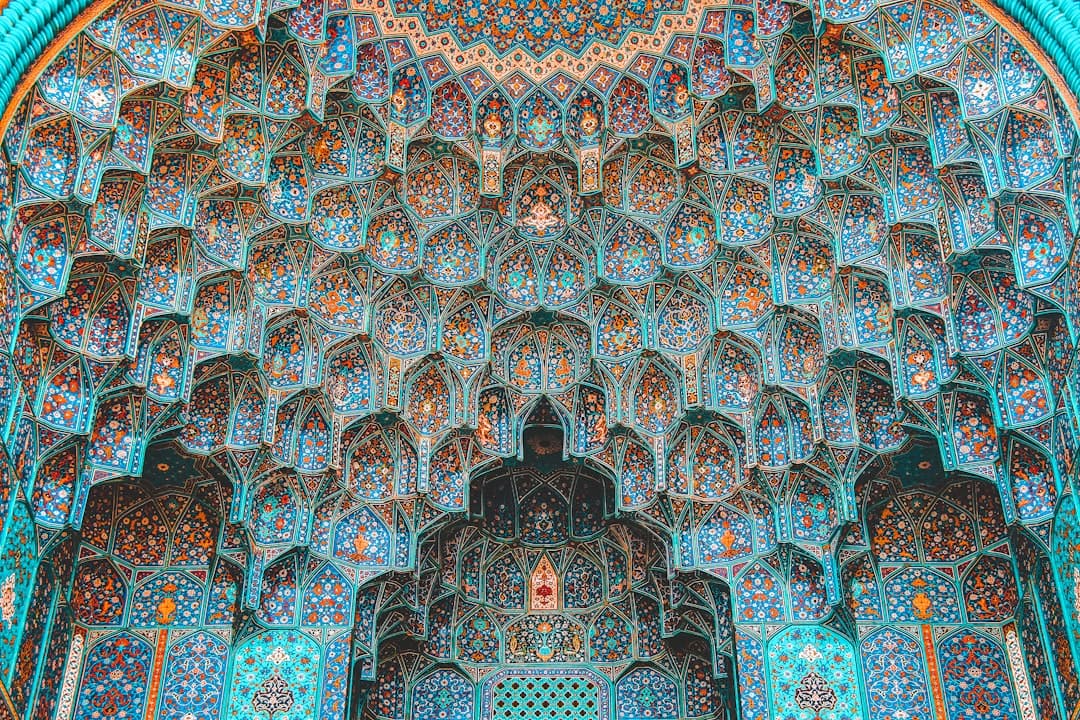
Collection galleries emphasize calligraphy, tilework and dynastic manuscripts, illustrating continuities in technique and aesthetic sensibility after the Arab conquest.
Curators contextualize carpets, illuminated Qur'ans and metalwork within shifting patronage patterns, demonstrating how artisans adapted pre-Islamic motifs into new religious and courtly settings. Research programs and conservation labs at the museum trace material techniques and inscriptions, offering scholars evidence of trade networks and ideological exchange across Islamic Iran.
Tehran Museum of Contemporary Art: A Global Dialogue
Housing one of the region's most important modern collections, the Tehran Museum of Contemporary Art connects Iranian practices with global modernism through curated exchanges, landmark exhibitions, and conservation initiatives that sustain access to rare Western and Iranian masterpieces.
Modernist Collections and Western Masterpieces
Exhibits showcase seminal works by Picasso, Warhol, and Rothko alongside Iranian modernists, offering comparative readings that highlight formal dialogues and collecting histories within Tehran's flagship institution.
Promoting Post-Revolutionary Iranian Artists
Programs prioritize emerging and mid-career Iranian artists, commissioning new projects, hosting residencies, and mounting thematic shows that map evolving visual responses to society and memory.
Artists receive institutional support through targeted acquisitions, public programs, and collaborations with independent galleries; curators foreground practices addressing urban change, gender, and oral histories while traveling exhibitions and scholarly catalogues extend visibility to regional and international audiences.
Reza Abbasi Museum: Mastery of the Miniature
Reza Abbasi Museum showcases exquisite Persian miniatures, manuscripts and paintings from Safavid to Qajar eras, highlighting delicate brushwork and rich pigments; galleries trace stylistic evolution and individual masters' signatures with curatorial clarity.
The Refined Tradition of Persian Calligraphy
Calligraphy in the museum presents masterful nasta'liq and shikasteh works, displaying ink, reed-pen technique and illuminated margins that articulate centuries of aesthetic discipline and spiritual expression.
Metalwork and Jewelry from the Achaemenid Period
Achaemenid metalwork and jewelry exhibit gold, silver and electrum pieces-armlets, pectorals and animal-themed plaques-revealing advanced lost-wax casting, repoussé and gem-setting skills evident in royal burials and treasuries.
Gold artifacts from royal graves demonstrate sophisticated alloying and surface treatments, with cloisonné inlays and imported gemstones indicating long-distance exchange. Technical analysis reveals consistent alloy recipes and tool use, enabling attribution to specific workshops and insights into Achaemenid administrative control over precious-metal production.
The Carpet Museum of Iran: Narratives in Thread
Exhibits at the Carpet Museum trace narrative threads across time, displaying regional motifs, technical variations and social histories that link rural workshops to royal commissions.
Symbolism and Regional Identity in Persian Weaving
Patterns and motifs function as coded histories, reflecting tribal allegiances, spiritual symbols and geographic origin through color, knotting and composition.
Conservation of Rare Safavid and Qajar Textiles
Preservation efforts at the museum prioritize textile stabilization, humidity control and ethical display to prolong rare Safavid and Qajar pieces for research and public study.
Conservators undertake thread-by-thread repair, employing traditional weaving techniques alongside modern adhesives and support fabrics to stabilize fragile areas. The laboratory conducts fiber microanalysis, dye characterization and accelerated aging tests to inform reversible treatments. Long-term storage uses inert materials, controlled light levels and rotation schedules while digital cataloguing records provenance and condition for scholars.
The Treasury of National Jewels: Symbols of Sovereignty
Treasury holdings in Tehran encapsulate centuries of royal patronage, showcasing crowns, tiaras, and ceremonial objects that asserted sovereignty and aesthetic refinement.
Safavid and Qajar Dynastic Regalia
Safavid and Qajar regalia on display reveal craftsmanship in enamel, pearls, and intricate metalwork used in coronation rites, tracing continuity in royal identity and ceremonial splendor.
The Artistic Significance of the Darya-i-Noor Diamond
Darya-i-Noor's pale-pink brilliance anchors state jewels, embodying both geological rarity and centuries of political symbolism within courtly pageantry.
Gemological studies and archival research illuminate the diamond's uncertain provenance, its Mughal or Indian origins, Persian recutting, and the emblematic shifts of ownership that museums interpret through provenance labels and conservation narratives.
Conclusion
Conclusively, Tehran museums protect Iran's artistic legacy through curated collections, conservation programs, and public exhibitions that document historical continuity and contemporary creativity, ensuring artists' works remain accessible for research, education, and national identity for future generations.
Editorial note: This article was prepared using multiple verified sources and editorial research. The content was reviewed, fact-checked and approved by our editorial team prior to publication.