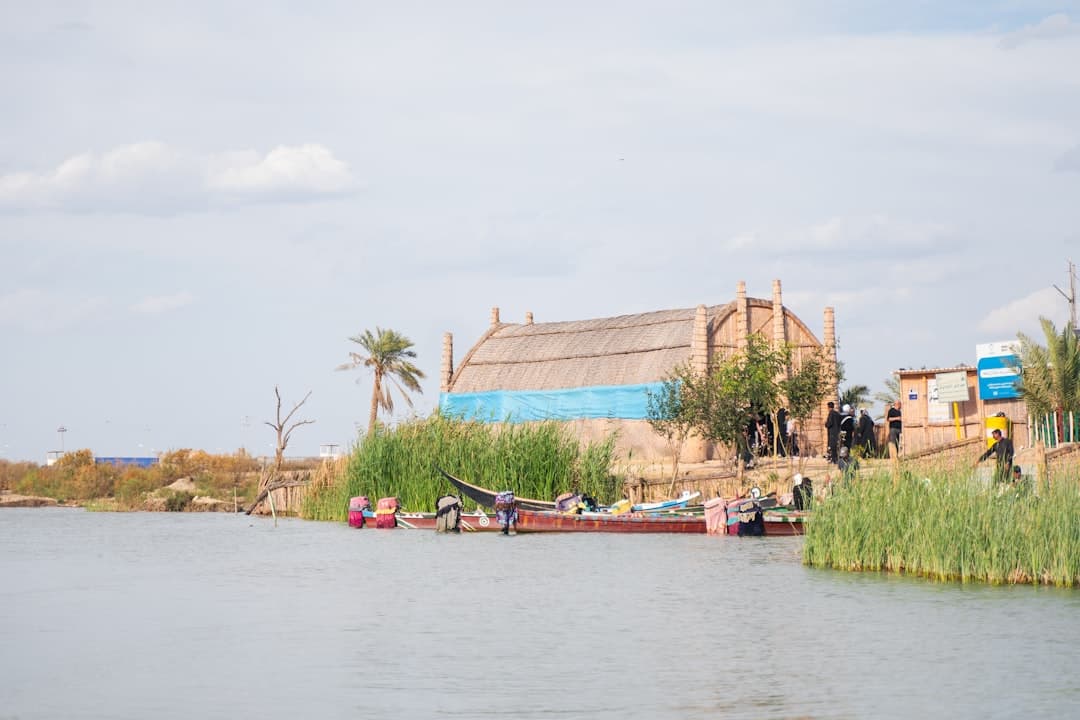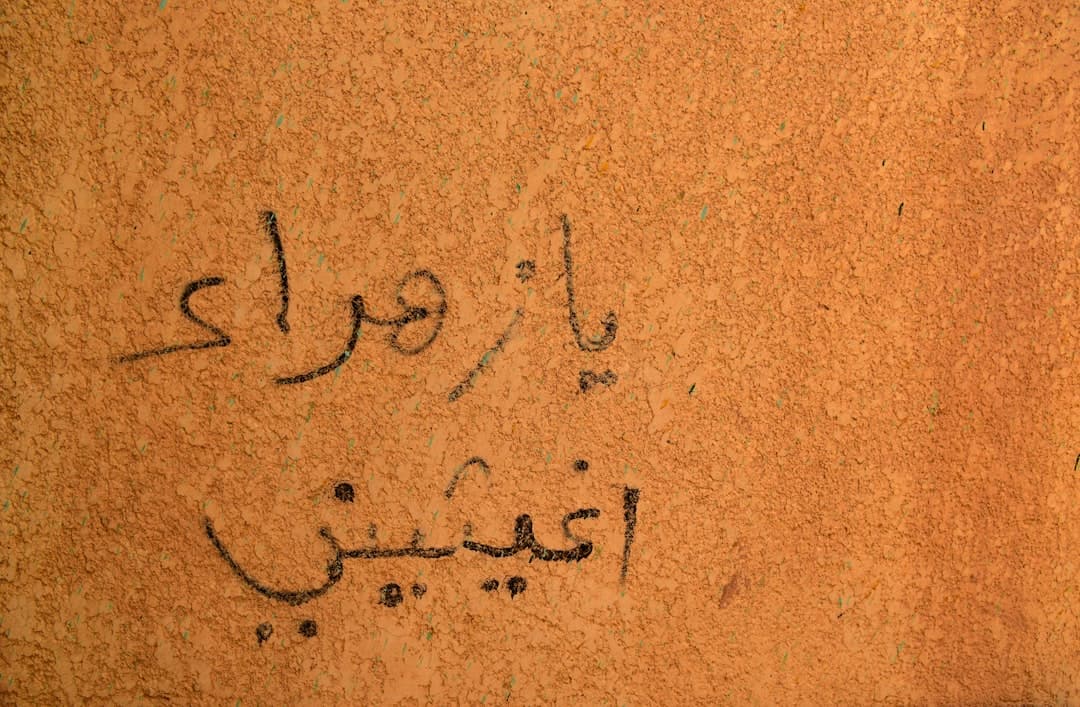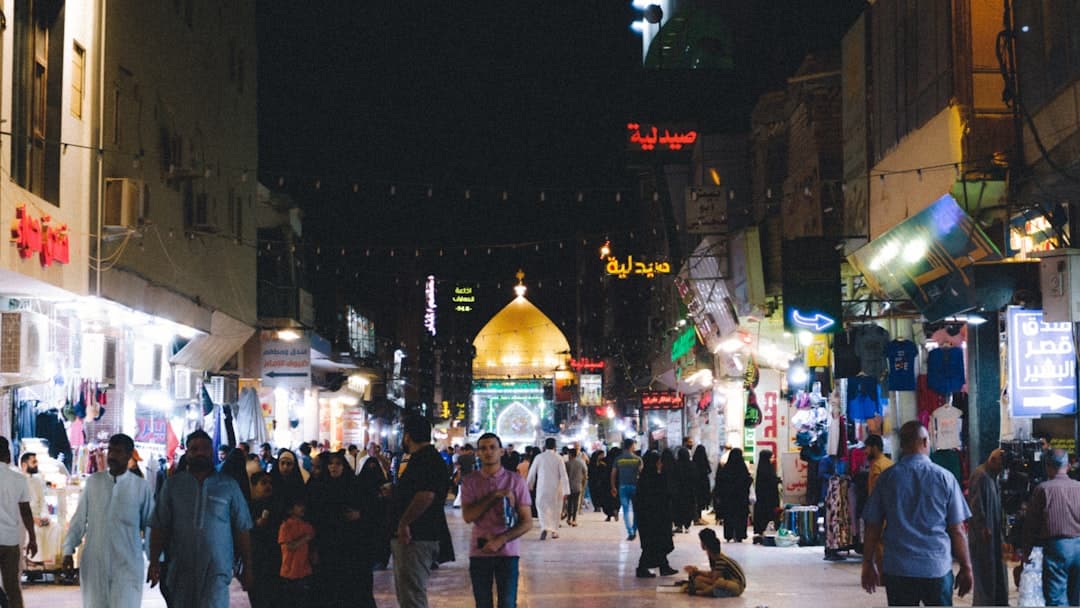
Just over a million pilgrims observe solemn rituals in Najaf, with structured visits to Imam Ali's shrine, communal prayers, and respectful dress codes guided by local clerical hosts and centuries-old practices.
The Spiritual Sanctity of Najaf
Najaf's atmosphere centers on devotion and centuries of Shi'a scholarship, where hushed prayers, ritual rites, and scholar-led gatherings shape pilgrim expectations and daily practice.
The Shrine of Imam Ali ibn Abi Talib
Devotees approach the gilded tomb of Imam Ali with reverence, following modest dress codes, quiet observance, ritual circling of the zarih, and customary supplications.
Wadi-us-Salaam: The Valley of Peace
Wadi-us-Salaam contains millions of graves; pilgrims pray at family plots, leave small tokens, and honor the cemetery's enduring spiritual status.
Families select burial sites near revered scholars, recite Quranic chapters at gravesides, and maintain plots through seasonal visits that blend mourning, remembrance, and community rituals.
Pilgrimage Rituals and Observances
Pilgrims converge on Najaf to perform structured rites: reciting ziyarat at Imam Ali's tomb, offering prayers, and observing shrine etiquette and fasting where customary, with local custodians guiding schedules and spaces to preserve solemnity and order during dense visitation periods.
The Significance of Ashura and Arbaeen
Ashura and Arbaeen mark collective mourning for Husayn ibn Ali; rituals include lamentation, recitation of elegies, and intensified visitation, drawing multinational crowds who reaffirm communal memory and moral commitments through shared grief.
Processions and Public Mourning Traditions
Processions move through Najaf's streets with rhythmic chanting, banners, and symbolic reenactments; participants wear mourning garments, provide food and water, and maintain solemn order while passing key shrine sites.
Participants set up improvised stations offering water, first aid, and seating; volunteer stewards liaise with shrine authorities to direct flows, manage safety, and preserve ritual decorum amid large crowds.

The Culture of Hospitality and Service
Hospitality in Najaf centers on offering rest, nourishment and guidance to pilgrims, with families, husayniyas and volunteers opening homes, tents and guesthouses. Generosity operates as social duty, blending religious devotion with practical care across crowded routes to the shrine.
The Maukeb System: Providing for Travelers
Maukeb organizes coordinated tents along pilgrimage routes providing meals, tea, shade, and basic medical aid; families, charities and religious groups staff shifts to serve thousands. This informal network manages overflow, queues and lost pilgrims with quiet efficiency and local knowledge.
Traditional Culinary Offerings for Pilgrims
Pilgrims commonly receive lentil soup, rice stews, flatbread, dates and strong bitter coffee, prepared to be filling and easy to share. Meals emphasize warmth, continuity and communal plates served at maukebs, mosques and household kitchens throughout Najaf.
Communities prepare large cauldrons of stews like qeema and harisa, rice dishes scented with cardamom, and trays of samoon and dates to feed passing pilgrims; flavors remain mild to suit varied tastes. Volunteers plan menus for bulk cooking, package portions for travel, and observe dietary norms and hospitality protocols so offerings are respectful, plentiful and easily distributed at maukebs and shrines.
Architectural and Artistic Heritage
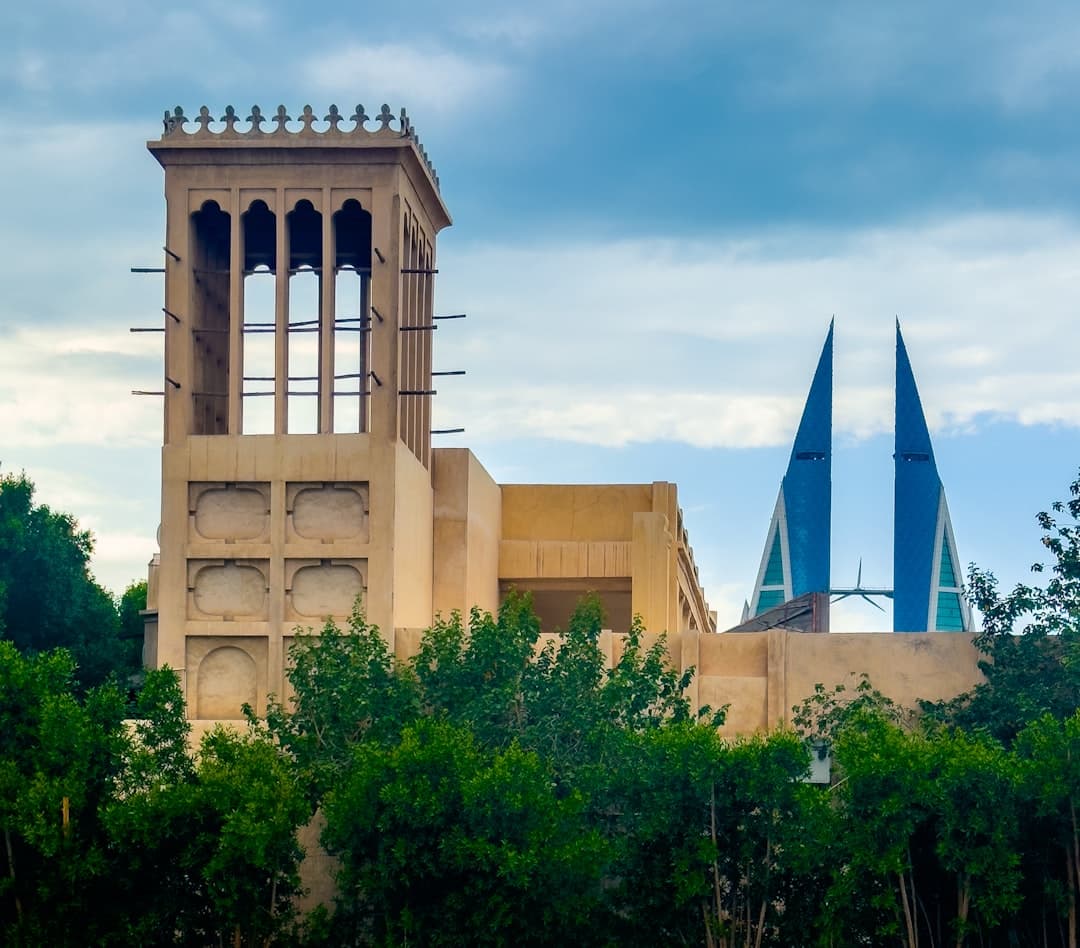
Najaf's skyline reflects layers of Persian, Ottoman, and modern Iraqi artistry: tiled facades, muqarnas vaulting, courtyards for pilgrims, and calligraphic inscriptions guiding devotional practice.
Persian and Islamic Design Elements
Persian tilework and arabesque patterns merge with classical Islamic geometry in Najaf, where turquoise mosaics and carved stucco create visual continuity for worshippers.
The Symbolism of the Golden Dome
Gilding crowns the shrine, the golden dome serving as a luminous sign of sanctity and a focal point for pilgrim reverence, visible for miles.
Pilgrims touch the base and face the dome while reciting ziyarah texts; gold's radiance symbolizes divine light in Shi'a theology, while inscriptions and layered calligraphy assert lineage to Imam Ali. Restorations across centuries reflect political patronage and devotion, making the dome both a historical archive and a living focus for communal mourning and celebration.
Cultural Etiquette and Religious Protocol
Pilgrims should keep voices low, follow prayer lines, remove shoes where required, and respect gender-separated areas; ask staff before photographing, avoid public displays of affection, and follow local instructions during pilgrimage rituals.
Modesty and Dress Codes for Visitors
Attire should be conservative: women wear headscarves and long sleeves, men avoid shorts, all cover knees and shoulders, and visitors remove hats inside shrines to show respect.
Sacred Spaces and Shrines
Observe protocol when entering tomb courtyards: enter quietly, form orderly queues for ziyarat, refrain from touching sacred textiles without permission, and follow signs or guides to avoid disrupting prayers or mourners.
Guides and signage help visitors follow ritual order at the Imam Ali and other mausoleums; allow worshippers priority, accept separate entrances for men and women, and use designated areas for donations and ablution. When seeking to place a prayer or cloth, wait respectfully, avoid loud conversation, and request assistance before photographing sensitive rites.
Socio-Economic Impact of the Pilgrimage
Pilgrimage seasons transform Najaf's economy, boosting hospitality, transport, and retail while generating seasonal jobs and municipal revenue that sustain local families.
The Old Bazaar and Traditional Crafts
Artisans in the old bazaar sell handcrafted prayer beads, textiles, and metalwork, providing steady income and preserving skills passed through generations.
Strengthening Global Communal Bonds
Pilgrims from diverse countries share rituals and donations, creating transnational support networks that channel aid and cultural exchange back to Najaf.
Networks formed through Najaf pilgrimages link diaspora charities, religious institutions, and local businesses, funding education, clinics, and infrastructure projects while promoting intercultural dialogue; sustained remittances and volunteer initiatives reinforce social safety nets and amplify Najaf's standing as a center for Shia communal solidarity.
Summing up
Upon reflecting, the Najaf pilgrimage emphasizes reverence at Imam Ali's shrine, ritual ziyāra, communal prayers, and strict etiquette; pilgrims observe modest dress, queue for ziyarat, partake in shared meals, and respect local hospitality and clerical guidance, sustaining centuries-old spiritual practices.
Editorial note: This article was prepared using multiple verified sources and editorial research. The content was reviewed, fact-checked and approved by our editorial team prior to publication.