A network of emerging trade corridors is reshaping commerce across the Middle East, as governments and private investors channel resources into road, rail, and port infrastructure designed to reduce transit times and lower the cost of moving goods between major economic hubs.
Gulf States Lead Infrastructure Push
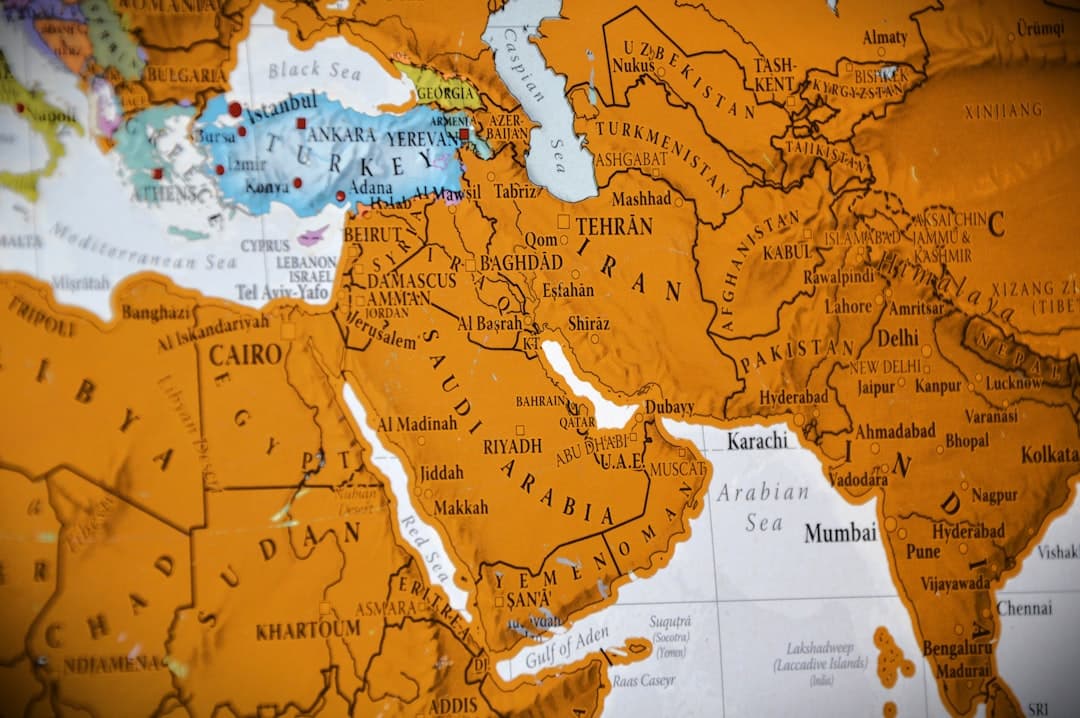
Saudi Arabia, the United Arab Emirates, and Qatar have each committed to large-scale logistics projects aligned with their respective national development plans. The UAE's Jebel Ali Port remains one of the busiest container terminals globally, while Saudi Arabia's ambitious infrastructure agenda under Vision 2030 includes expanding rail links between industrial cities and Red Sea export terminals.
These investments are part of a broader effort to diversify economies away from hydrocarbon revenues, with trade facilitation identified as a key pillar of long-term growth strategies.
Regional Connectivity Gains Momentum
The India-Middle East-Europe Economic Corridor, endorsed by G20 members, represents one of the most discussed multi-modal trade initiatives in recent years. The proposed route would link Indian ports to Gulf hubs before continuing overland through Jordan and Israel toward European markets, offering an alternative to established Suez Canal shipping lanes.
Separately, overland routes connecting Turkey southward through Syria and Jordan — where political conditions permit — have historically served as critical arteries for regional trade, and post-conflict reconstruction discussions continue to include their potential restoration.
Challenges to Sustained Growth
Analysts monitoring the region point to several structural obstacles. Political instability in parts of the Levant, inconsistent customs harmonization between neighboring states, and the absence of unified regulatory frameworks continue to create friction for cross-border traders. Conflict zones disrupt established supply chains and deter long-term investment commitments.
Despite these constraints, trade volumes between Gulf Cooperation Council member states and their regional partners have grown significantly over the past decade, reflecting both policy reforms and increased private sector participation in logistics and warehousing sectors.
Open Questions
How will ongoing regional conflicts affect the long-term viability of proposed corridor routes? Will smaller economies in the region gain equitable access to new trade infrastructure, or will benefits remain concentrated among wealthier Gulf states?
Sources: World Bank trade data, Gulf Cooperation Council official communications, G20 New Delhi Leaders' Declaration (2023), UAE Ministry of Economy, Saudi Vision 2030 framework documents.
This article is based on a primary source and has undergone editorial review prior to publication.