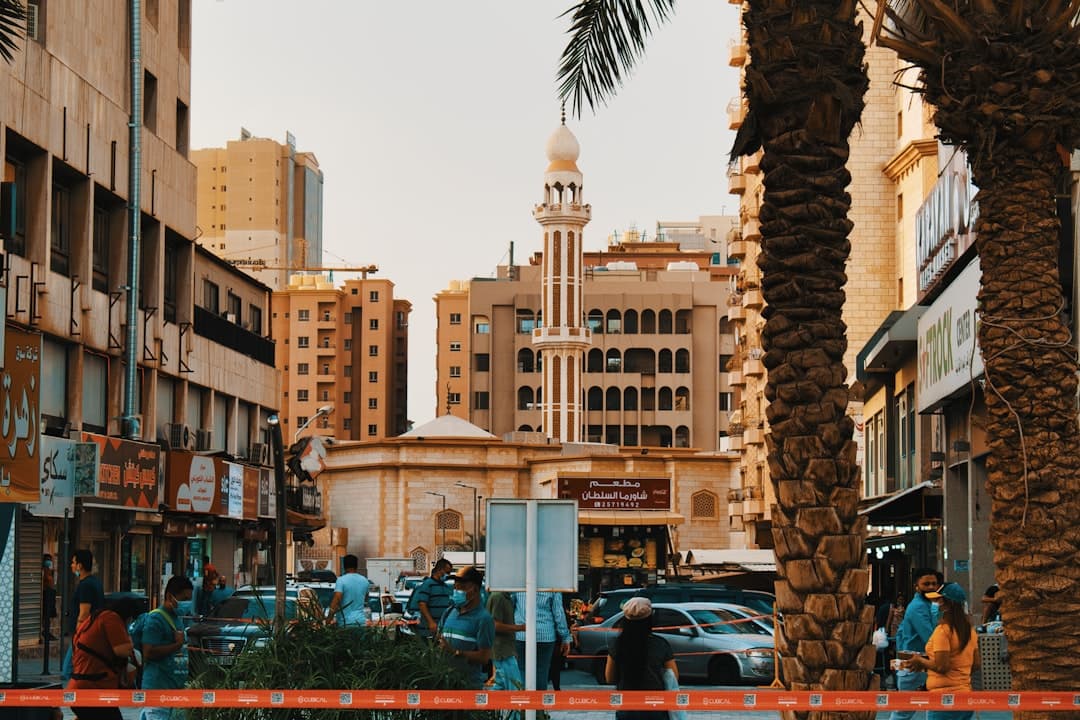
Consumers across the Middle East are adjusting their purchasing habits as inflationary pressures continue to affect a broad range of goods and services, from food staples to housing and energy-related costs.
Uneven Impact Across the Region
The inflationary environment has not affected all countries equally. Gulf Cooperation Council (GCC) member states, which benefit from substantial hydrocarbon revenues and long-standing fuel subsidy frameworks, have shown greater capacity to absorb price shocks than economies more reliant on imports. Countries such as Egypt, Lebanon, and Jordan — where food and fuel imports constitute a significant share of national consumption — have experienced sharper erosion of household purchasing power.
Currency depreciation in several non-GCC economies has amplified the cost of imported goods, creating additional strain on middle- and lower-income households. Food security has emerged as a particular concern, given the region's heavy dependence on global commodity markets for wheat, cooking oils, and other essential items.
Government Responses and Policy Measures
Several governments have introduced or expanded subsidy programs, price caps on essential commodities, and cash transfer schemes aimed at cushioning the impact on vulnerable populations. Central banks in the Gulf have largely followed the U.S. Federal Reserve's interest rate trajectory, given the prevalence of dollar-pegged currencies, which constrains independent monetary policy options.
Retail sectors across major urban centers have reported shifts in consumer preferences toward lower-cost alternatives, private-label products, and discount retail formats. The hospitality and discretionary goods segments have also noted changes in spending frequency and average transaction values.
Structural Factors at Play
Analysts point to a combination of global supply chain disruptions, elevated global commodity prices, and regional logistical costs as underlying structural contributors to sustained price pressures. Demographic factors — including large and growing youth populations in several countries — add complexity to labor markets and domestic demand dynamics.
Open Questions
How long subsidy frameworks in Gulf states can remain fiscally sustainable if global oil prices decline significantly remains an open question. The degree to which structural reforms in import-dependent economies can reduce long-term exposure to global price volatility also warrants continued observation.
Sources: International Monetary Fund (IMF) Regional Economic Outlook; World Bank MENA Economic Update; Arab Monetary Fund publications; Gulf Cooperation Council Secretariat reports.
This article is based on a primary source and has undergone editorial review prior to publication.