Bahrain's calendar is deeply influenced by religious observances that punctuate civic life and social rhythms. The majority Muslim population follows the Islamic lunar calendar, so dates shift each year; public holidays, work schedules and school terms adjust around these movable feasts, creating seasonal ebbs and flows in commerce, transportation and community activity.
Ramadan, the month of fasting, is the most pervasive seasonal marker. From dawn to sunset many Muslims fast, and evenings fill with iftar meals and Taraweeh prayers. Business hours shorten, restaurants offer special menus at night, and a quieter daytime pace prevails. Media, charity drives and public messaging emphasize generosity and communal solidarity throughout the month.
Eid al-Fitr, which follows Ramadan, is a major family-centered celebration lasting several days. It features communal prayers, visiting relatives, gift-giving and charitable acts. Eid al-Adha, tied to the Hajj pilgrimage in Saudi Arabia, commemorates sacrifice and likewise involves communal prayers, family gatherings and distribution of meat to those in need; it is often observed with extended holidays that allow travel and pilgrimage-related activities.
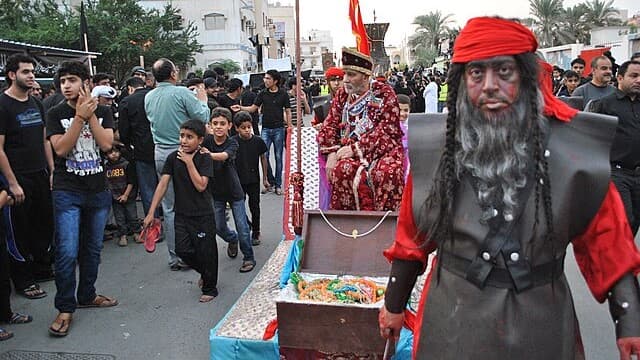
For Bahrain's sizeable Shia community, Muharram and Ashura are solemn occasions of mourning and reflection, marked by processions, majlis (religious gatherings) and public commemorations that express historical memory and communal identity. These observances shape public space in specific periods and are observed with sensitivity and state-level accommodation to maintain social harmony.
Non-Muslim religious holidays also structure life for expatriate communities. Christian congregations observe Christmas and Easter with services and public events held in churches and community centers. Hindu and Sikh residents celebrate festivals such as Diwali and Vaisakhi within temples and cultural associations. Employers and institutions commonly grant leave or flexibility for these observances, reflecting Bahrain's multicultural workforce.
Beyond ritual acts, religious holidays influence economics, travel patterns and public mood: retail spikes before festive periods, hospitality and transport see surges, and civic services adapt to altered timetables. Together these observances articulate a social cadence that marks time in Bahrain, blending spiritual practice with everyday life across diverse communities.
Editorial note: This article was prepared using multiple verified sources and editorial research. The content was reviewed, fact-checked and approved by our editorial team prior to publication.