Traditions of Diriyah reflect Najdi architecture, the early Saudi state, and Bedouin customs, preserving mud-brick urban fabric, traditional crafts, and ceremonial rites that shaped national identity.
The Cradle of the Kingdom: Diriyah's Historical Legacy
Diriyah anchors Saudi statehood, where 18th-century governance, trade routes, and Najdi architecture shaped national identity and collective memory.
The Emergence of the First Saudi State
Imam Muhammad ibn Saud allied with reformer Muhammad ibn Abd al-Wahhab to found the First Saudi State in Diriyah, consolidating political and religious authority across Najd.
At-Turaif: A UNESCO World Heritage Landmark
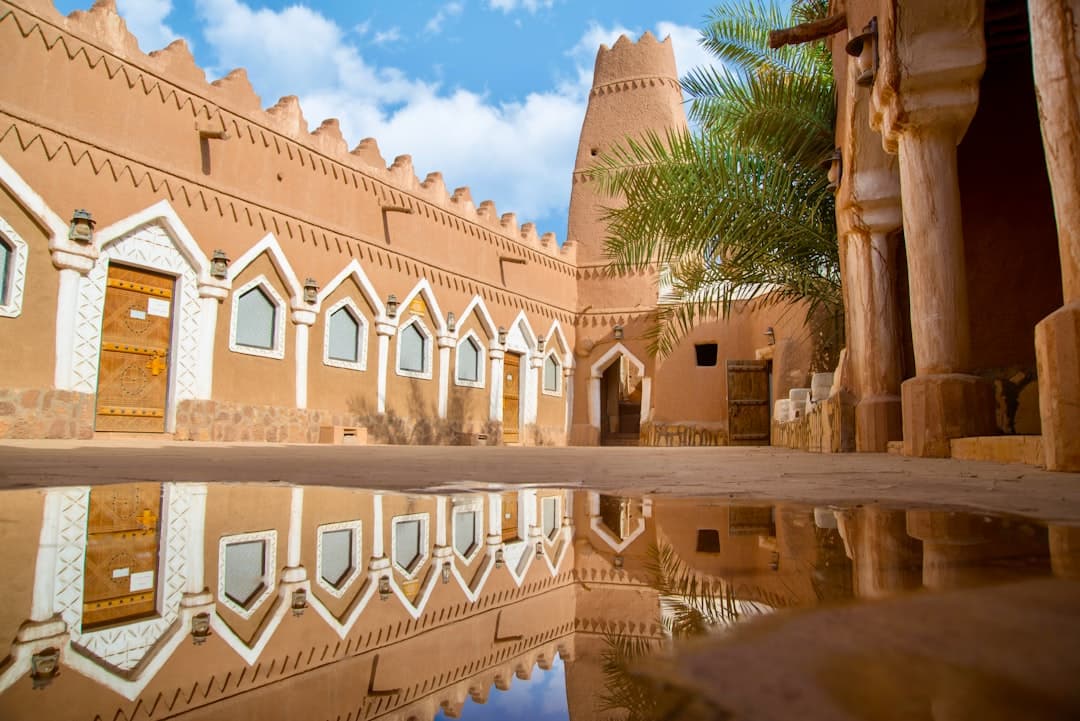
At-Turaif's mud-brick palaces and narrow alleys exemplify Najdi urban design and were central to governance, earning UNESCO status for cultural significance.
Restoration efforts since UNESCO inscription in 2010 have stabilized At-Turaif's fragile mud-brick structures, revealed royal palaces, mosques and public squares, and created interpretive exhibits. The Diriyah Gate development coordinates archaeological work, conservation techniques adapted to Najdi materials, and controlled visitor routes to preserve authenticity while opening the site for cultural tourism and scholarship.
Najdi Architectural Mastery
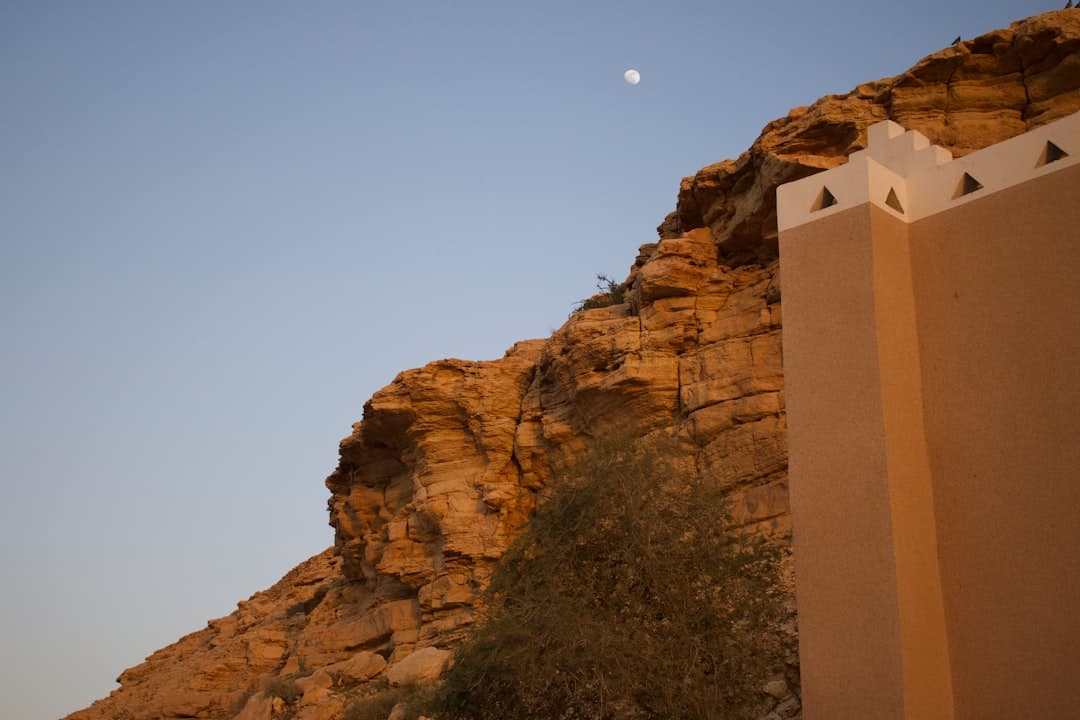
Stone and sun-baked mud define Najdi forms, with compact courtyards, thick insulating walls, and wooden latticework that moderate heat and privacy while expressing clan identity through carved motifs.
Traditional Mud-Brick Construction Techniques
Craftsmen mold sun-dried adobe blocks, stacking thick walls with palm-reed ties and lime plaster finishes to enhance durability and thermal mass, enabling interior comfort without modern cooling.
The Evolution and Influence of Salmani Design
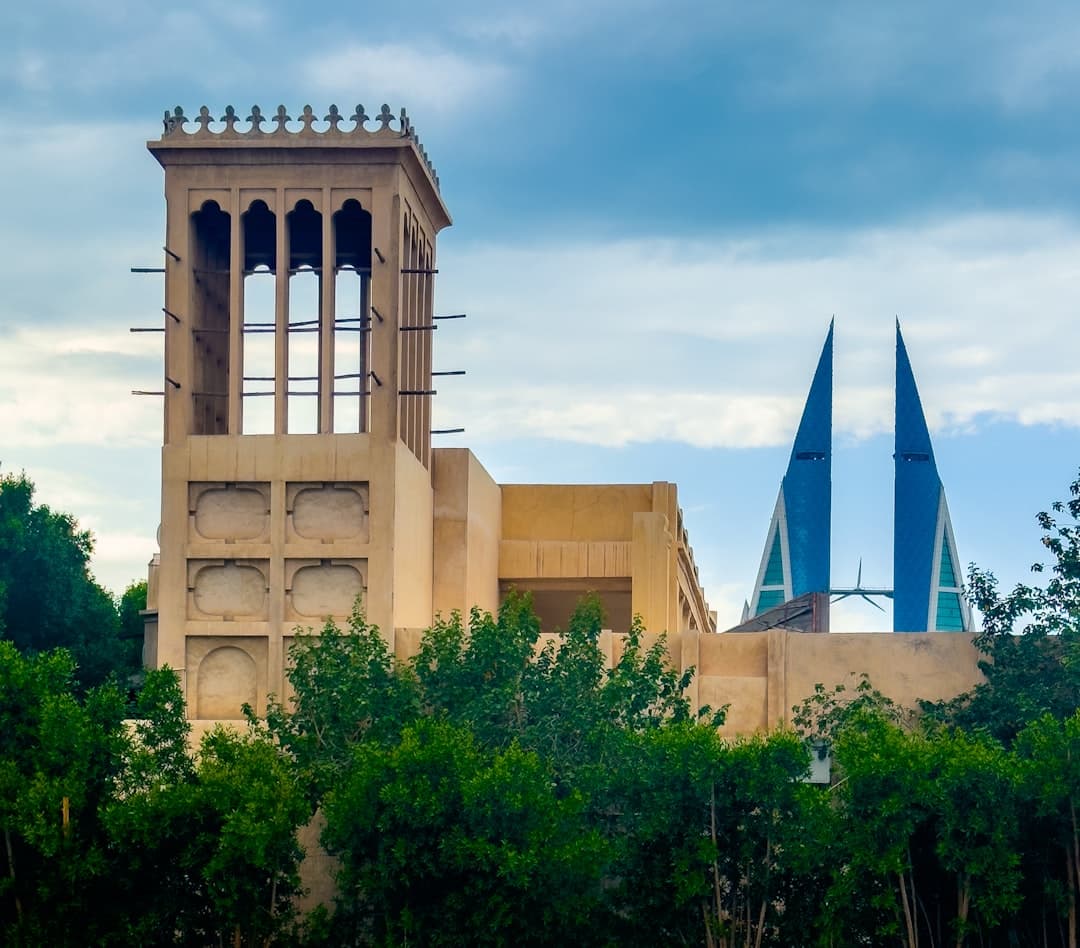
Salmani facades blend traditional Najdi massing with refined geometric ornament, rhythmic window arrangements, and painted friezes, shaping urban house fronts and public buildings across central Arabia.
Decorative stucco, carved timber balconies and painted wooden doors characterize Salmani interiors and exteriors, while standardized façade modules and pronounced cornices create street rhythm. Craftsmen adapted motifs brought by pilgrims and merchants from Hijaz and the eastern Mediterranean, merging them with Najdi spatial logic; the result signaled social standing and modernity in emerging towns, later informing conservation and revival projects.
Social Fabric and Cultural Etiquette
Ties between family, tribal identity and religious practice shape daily interactions, with formal courtesy and gendered spaces guiding public conduct and conversation.
The Rituals of Saudi Hospitality and Coffee
Coffee ceremonies center on the dallah and small cups, offered to guests as a sign of generosity and to signal respect and welcome.
Traditional Attire and Symbols of Identity
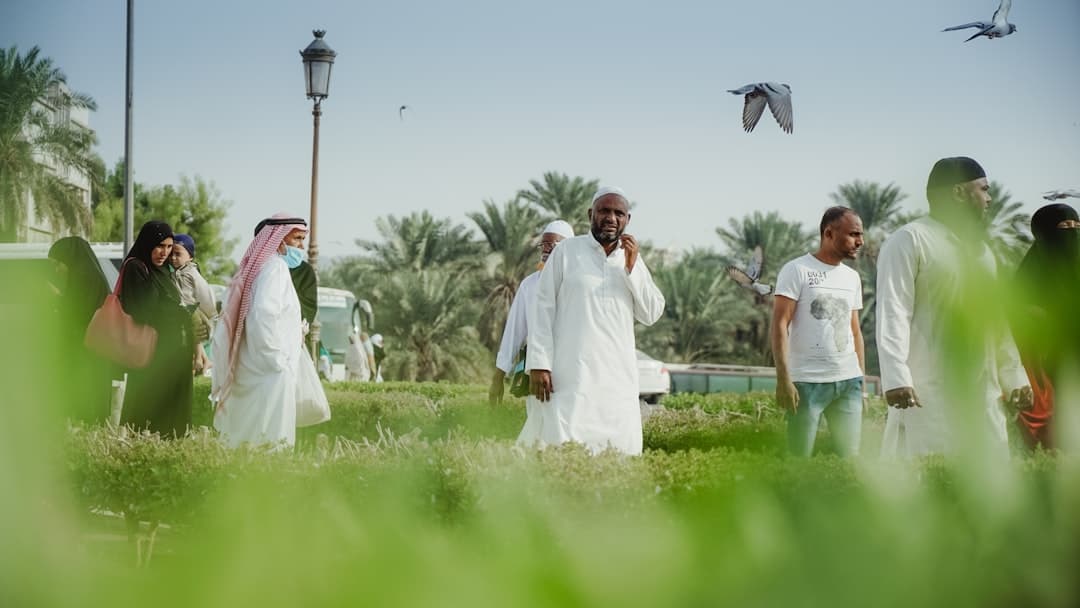
Thobe and abaya remain everyday markers of identity, while the ghutra, agal and ornate embroidery signal tribal origin, social status and regional pride.
Headgear often indicates region and occasion; colors, patterns and the way a ghutra is folded can denote city, tribe or formality, while ceremonial bishts and jewelry mark weddings and official events.
Performing Arts and Oral Traditions
Performing arts and oral traditions in Diriyah sustain communal memory through ceremonial dances, storytelling, and music, linking present communities to Bedouin customs and regional identity.
The Ardah: The National Sword Dance
Ardah unites men in synchronized sword-bearing ranks, accompanied by drumming and chant, marking weddings, victories, and civic ceremonies with disciplined movement and collective pride.
Nabati Poetry and the Preservation of History
Nabati poetry preserves local history and social values through vernacular verse recited at gatherings, recording genealogies, disputes, and heroic deeds in memorable lines.
Poets serve as historians and mediators, composing Nabati verses that adapt classical meters to Bedouin speech to ensure broad understanding. Their poems chronicle migrations, treaties, lineage, and everyday life; performances often include improvised exchanges and musical accompaniment, making oral archives accessible and emotionally resonant across generations.
Culinary Heritage of the Central Province
Central Province cuisine reflects Bedouin, Najdi, and Hijazi influences, featuring spiced rice, slow-cooked lamb, and coffee rituals that anchor communal dining and seasonal festivals.
Signature Dishes and Local Ingredients
Signature dishes like kabsa, jareesh, and mutabbaq showcase fragrant spices, ghee, preserved lemons, and locally reared lamb, emphasizing grain, dairy, and date-based accompaniments.
The Historical Significance of Date Palm Cultivation
Date cultivation shaped settlement patterns, trade routes, and daily diets, supplying energy, sugar, and seasonal hospitality at the heart of oasis communities.
Palm groves anchored oasis economies, driving settlement growth through labor, irrigation systems, and date-dependent markets that funded regional trade. Local varieties like Ajwa, Sukkari, and Khalas supplied fresh fruit, dried dates, syrups, and preserves used in ceremonies, medicine, and long-distance provisioning, preserving agricultural knowledge across generations.
Diriyah's Modern Renaissance
Revival of Diriyah blends careful restoration with contemporary cultural venues, transforming mud-brick ruins into a living district that honors history while inviting new public use and scholarly research.
The Diriyah Gate Vision 2030 Project
Project Diriyah Gate enacts Vision 2030 through museums, hotels and public spaces designed to showcase Najdi heritage alongside economic diversification.
Balancing Global Tourism with Heritage Preservation
Conservation strategies prioritize original materials, controlled visitor paths and community consultation to protect authenticity amid rising international tourism.
Stakeholders coordinate conservation scientists, local artisans and tourism planners to limit wear on fragile structures while expanding controlled visitor access. Adaptive reuse, strict restoration codes and monitored visitor flows aim to sustain archaeological integrity and direct economic benefits back to nearby communities.
Summing up
To wrap up, Diriyah's preserved architecture, Bedouin traditions, and evolving cultural programming illustrate Saudi Arabia's historical roots and contemporary heritage, offering visitors an authoritative insight into Najdi identity and national revival.
Editorial note: This article was prepared using multiple verified sources and editorial research. The content was reviewed, fact-checked and approved by our editorial team prior to publication.