Heritage sites in Saudi Arabia, including UNESCO-listed Hegra and At-Turaif, showcase ancient cities, rock art, and urban palaces, offering insights into Arabian history, trade routes, and cultural transformations.
UNESCO World Heritage Sites: Ancient Civilizations
Archaeological sites in Saudi Arabia showcase millennia-old urban planning, trade networks and funerary practices, revealing cross-cultural ties from the Nabataeans to early Islamic centers.
Hegra: The Nabataean Legacy of AlUla
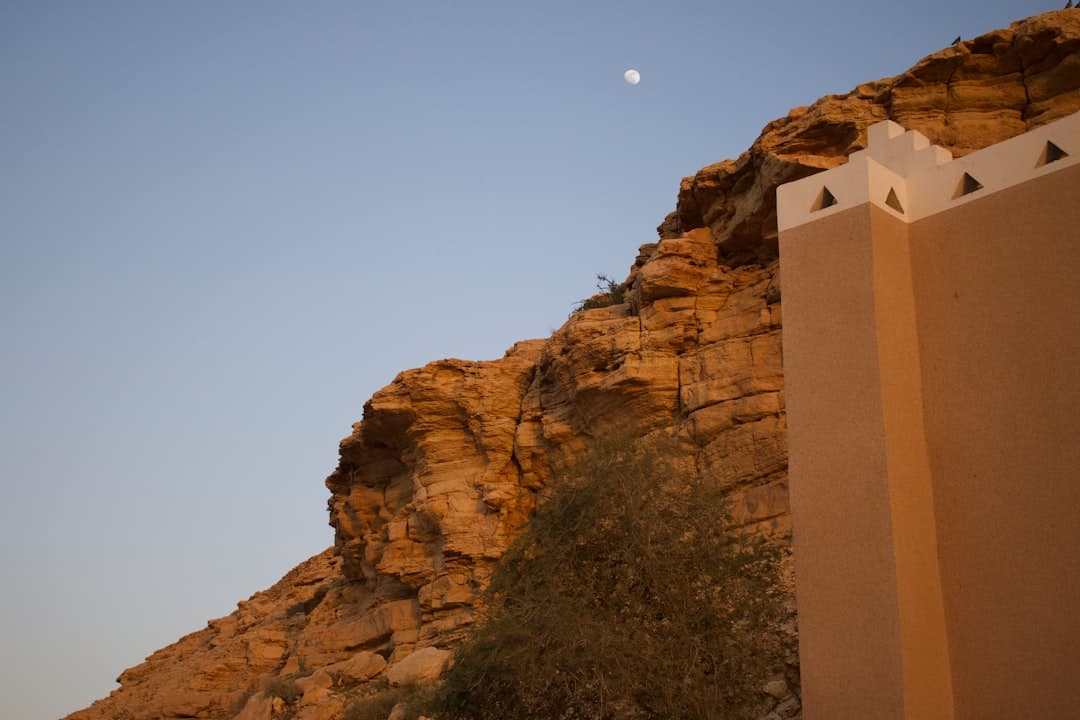
Carved sandstone tombs and monumental facades at Hegra reflect Nabataean engineering and desert trade wealth, conserved within AlUla's dramatic valley setting.
At-Turaif: The Birthplace of the Saudi State
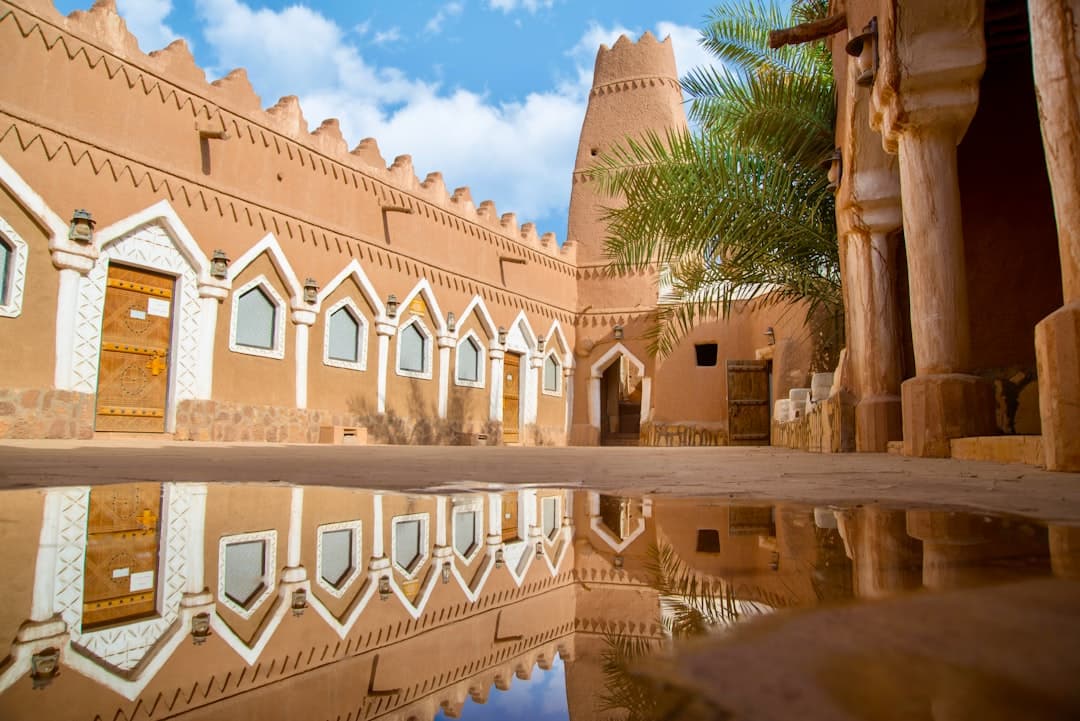
Fortified mud-brick palaces and administrative complexes in Diriyah mark the eighteenth-century political foundation that led to modern Saudi governance.
Conservation efforts at At-Turaif combine archaeological research, traditional Najdi craftsmanship and adaptive reuse to interpret courtly life, tribal diplomacy and Ottoman contacts; visitor pathways and museums contextualize Diriyah's role while protecting fragile earthen architecture.
Historic Urban Centers and Architectural Marvels
Cities such as Diriyah, Jeddah and Riyadh reveal layered histories through fortified quarters, caravan-era layouts and monumental palaces that define national identity and UNESCO recognition.
Historic Jeddah: The Gateway to Makkah
Jeddah served as the pilgrim port to Makkah, its historic harbor and souks reflecting centuries of Arabian, African and Asian trade links preserved in narrow streets and ornate houses.
Al-Balad's Distinctive Coral Stone Architecture
Al-Balad showcases coral stone towers and intricately carved wooden mashrabiya, a vernacular technique adapted to coastal climate and social customs, earning UNESCO acclaim.
Conservation projects restore coral facades, repair timber lattices and reinstate traditional crafts while urban policies balance tourism, residents' needs and modern infrastructure, ensuring Al-Balad remains a living historic quarter.
Prehistoric Rock Art and Desert Inscriptions
Prehistoric petroglyphs and desert inscriptions across Saudi Arabia record millennia of human activity-hunting scenes, herds, and early scripts-offering direct evidence of shifting environments and social networks that shaped regional identity.
Hail Region: Petroglyphs of Jubbah and Shuwaymis
Hail's Jubbah and Shuwaymis exhibit expansive petroglyph panels depicting humans, animals, and water-related motifs, forming one of the world's richest archives of Stone Age art and climatic change indicators.
Hima Cultural Area: Ancient Caravan Routes
Hima preserves rock inscriptions and route markers recording centuries of caravan traffic, trade connections, and pastoral practices that anchored regional exchange networks.
Archaeological surveys in Hima reveal cairns, named inscriptions, and watering-point signs that trace directional corridors; combined with satellite mapping and stratigraphic study, these indicators clarify seasonal schedules, commodity flows, and tribal linkages that sustained overland commerce across the Arabian interior.
The Cultural Landscape of Al-Ahsa Oasis
Al-Ahsa's palm groves, springs, and historic settlements illustrate centuries of human interaction with arid environments, showcasing irrigation ingenuity and communal heritage recognized by UNESCO.
Traditional Water Management Systems
Irrigation systems in Al-Ahsa relied on ancient qanat and spring-fed canals, distributing water to palms and fields through community-managed channels.
Human Settlement and Agricultural Evolution
Settlements along the oasis expanded around wells and farms, adapting crop choices and farming techniques to sustain dense populations over millennia.
Archaeological excavations and historical records document continuous habitation, evolving irrigation technologies, and shifts in crop patterns; pottery, irrigation remnants, and settlement layouts indicate trade connections across the Gulf and adaptive responses to water scarcity and social organization shaping Al-Ahsa's development.
Intangible Heritage and Living Traditions
Local communities sustain oral histories, rituals, and craft skills that UNESCO recognizes as living heritage, with seasonal rites and apprenticeship ensuring continuity across generations.
Folk Arts, Poetry, and the Al-Ardah Dance
Tribal poetry and the Al-Ardah sword dance blend rhythmic chant, drumming, and communal display, expressing identity, honor, and historical memory at weddings and national ceremonies.
Arabian Coffee and Customs of Hospitality
Coffee and hospitality rituals govern social exchange: serving qahwa, the seating order, and guest etiquette communicate respect and social bonds in homes and majlis.
Ceremonies around Arabian coffee feature roasting green beans, infusing cardamom, and presenting from a dallah in small cups; hosts follow prescribed pouring order, offering a second cup as courtesy while refusal protocols reflect nuanced etiquette.
Preserving the Past through Saudi Vision 2030
Vision 2030 channels national investment into heritage protection, funding archaeological research, restoration, and community programs that secure UNESCO sites and living traditions for future generations.
Modern Conservation and Restoration Initiatives
Conservation teams apply advanced materials science and traditional techniques to stabilize ancient structures, while training local specialists to manage ongoing preservation.
Elevating Cultural Tourism on the Global Stage
Tourism strategies showcase diverse heritage through curated visitor routes, multilingual interpretation, and events that attract international audiences to UNESCO sites.
Partnerships with international museums, airlines, and cultural bodies expand travel itineraries, improve accessibility, and fund interpretive centers; targeted marketing and heritage festivals increase visitor length of stay and local revenue while promoting respectful engagement with sites.
Conclusion
Considering all points, Saudi Arabia's UNESCO sites and cultural landmarks showcase millennia of trade, architecture, and social history, demanding preservation, scholarly study, and sustainable tourism to safeguard identity and inform global heritage understanding.
Editorial note: This article was prepared using multiple verified sources and editorial research. The content was reviewed, fact-checked and approved by our editorial team prior to publication.