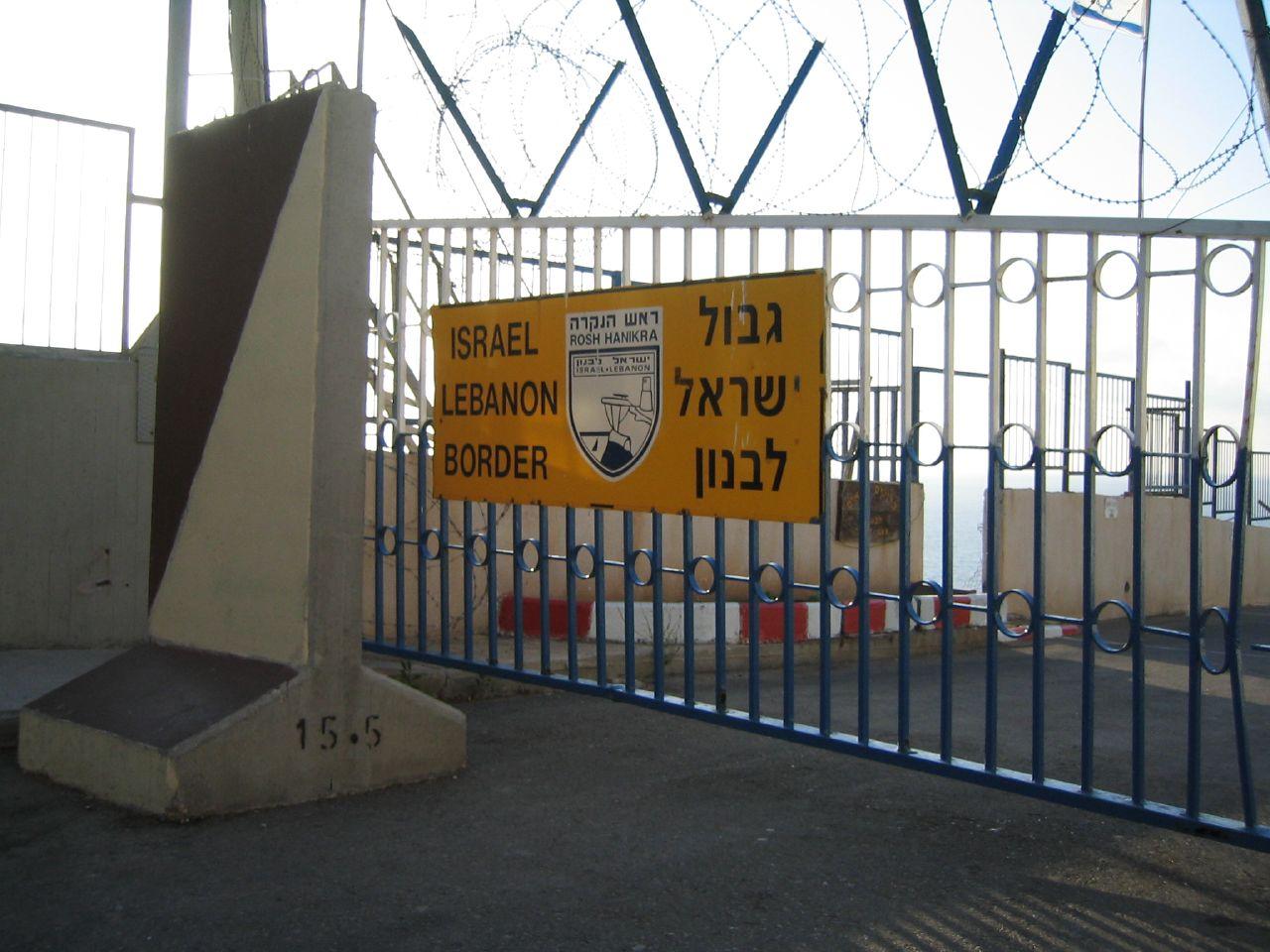
The United Nations Interim Force in Lebanon (UNIFIL) is preparing to end its mission along the Blue Line after 48 years, following the UN Security Council's unanimous decision in August 2025 not to renew the force's mandate beyond the end of 2026. Preparations for withdrawal are expected to begin in January 2027, according to UN News.
UNIFIL was established by the UN Security Council on 19 March 1978, with its first peacekeepers arriving four days later on 23 March. The force was created with three primary objectives: to confirm the withdrawal of Israeli forces from Lebanon, to restore international peace and security, and to assist the Lebanese Government in re-establishing its authority in the region.
Despite a significant decrease in hostilities following an agreement reached in June between the United States, Lebanon and Israel, the situation in southern Lebanon remains volatile, UNIFIL reports. Kandice Ardiel, spokesperson for UNIFIL, speaking to UN News from Naqoura in southern Lebanon, said that daily violations by Israeli forces continue to be observed across the region. These include the construction of military positions and roads, military operations, demolitions, airstrikes and artillery fire. On Tuesday, UNIFIL also reported that a routine patrol near Wadi Jilu was fired upon; peacekeepers returned fire, the shooting stopped, and no injuries were reported. The force has called for a prompt investigation from the Lebanese Government.
The humanitarian picture is similarly mixed. Latest UN data indicates that the number of internally displaced people who have returned home has increased by 13 per cent since September, to nearly one million, while around 304,500 people remain displaced outside their areas of origin. Ardiel noted that returning residents are coming back to severely damaged communities, with electricity networks, water systems, and roads destroyed and in need of rebuilding. Naqoura itself, home to UNIFIL's headquarters and once described as a thriving village, has been almost entirely reduced to rubble.
The end of the mission carries consequences beyond security. UNIFIL has long provided employment and contributed to the local economy in southern Lebanon, and its departure will affect national staff — many of whom are Lebanese citizens who have lost homes or family members during the conflict, Ardiel said.
What replaces UNIFIL remains undecided. "There's a lot of talk and speculation about what might come next. We know the Security Council is considering options, but so far nothing has been decided," Ardiel said, adding that the uncertainty has left communities and staff anxious.
"There's a great deal of nervousness now that we're leaving in a situation where southern Lebanon remains unstable because of ongoing military activity, the continuation of the conflict, and the uncertain future that people here are anticipating," the UNIFIL spokesperson said.
This article is based on a primary source and has undergone editorial review prior to publication.