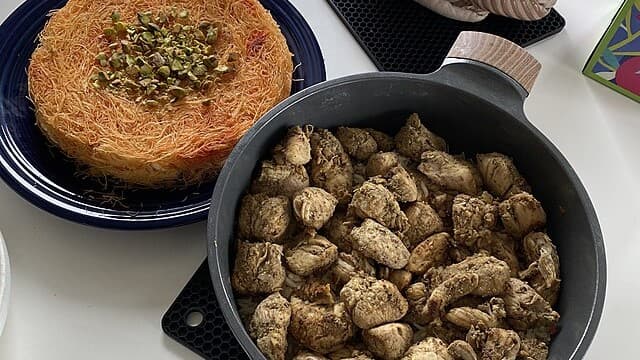
With Aden's rich coastal heritage, local cuisine features saltah, fahsa, mandi, grilled fish, and sweet halwa. This guide outlines traditional ingredients, cooking methods, and cultural context for visitors and culinary researchers.
The Culinary Heritage of the Port City
Aden's coastal kitchens blend Yemeni, Indian, African and Ottoman influences, producing seafood stews, fragrant rice and street snacks that define the port city's culinary heritage.
Historical Maritime Trade Influences
Ships and sailors introduced spices, rice varieties and cooking techniques, shaping Aden's menus with curries, pilafs and preserved fish enjoyed across communities.
Distinctive Spices of the Adeni Region
Cardamom, cumin and fenugreek dominate Adeni spice blends, paired with smoky dried limes and chili to create layered, aromatic dishes.
Blends often include roasted cumin, black lime and ground cardamom, lending stews and rice a citrusy smoke; street vendors finish plates with chili paste, fresh coriander and toasted sesame for contrast.
Defining Main Entrees
Main entrees in Aden reflect meat, rice, and fish traditions, often simmered with whole spices and slow-cooked aromatics to yield layered flavors served at family gatherings and celebrations.
Zurbiyan: The Iconic Adeni Rice Dish
Zurbiyan features fragrant basmati rice cooked with tender lamb or chicken, caramelized onions, raisins and warm spices, producing a sweet-savory centerpiece prized in Adeni households.
Sayadiyah: Coastal Spiced Fish and Rice
Sayadiyah pairs spiced, pan-seared or fried fish atop aromatic rice infused with caramelized onions, cumin, and peppery notes, reflecting Aden's coastal palate.
Preparation begins by frying thinly sliced onions until deeply caramelized, then layering fragrant rice with toasted spices and a whole fish-often kingfish or tuna-cooked separately and placed on top; lemon, chopped cilantro, and a chili-garlic paste are common accompaniments.
Savory Sides and Street Food
Local markets brim with small plates-spiced lentil stews, pickled vegetables, and piping-hot samosas offered alongside grilled meats, blending coastal Aden flavors with inland influences.
Adeni Sambusa and Fried Delicacies
Sambusa in Aden arrives crisp and aromatic, filled with spiced beef, cheese, or vegetables and often sold by street vendors for a quick savory bite.
Traditional Chutneys and Sahawiq Varieties
Sahawiq ranges from mildly tangy to fiercely hot, combining roasted chilies, garlic, cilantro, and lemon to complement grilled fish and flatbreads across Aden's stalls.
Recipes vary by family: some roast and pound chilies with toasted cumin and fenugreek, others add tamarind for acidity; vendors adjust heat for children or fishermen, and jars often accompany meals to brighten fatty grilled dishes.
Adeni Confections and Desserts
Aden's dessert scene showcases syrup-soaked pastries, fragrant halwa, and honey-drizzled breads served after meals or at celebrations, reflecting coastal spice influences and communal sharing traditions.
The Craft of Adeni Halwa
Halwa transforms ghee, sugar, and cardamom into a glossy, nut-studded confection slowly cooked in copper pots over low heat, yielding deep caramel notes and dense texture.
Bint Al-Sahn and Local Honey Pairings
Bint Al-Sahn's layered, buttery flatbread is torn and dipped into thick, floral honey, creating a textural contrast prized across Aden.
Pairings often highlight Aden's honey varieties-coastal citrus and mountain wildflower-each shifting the pastry's sweetness and aroma; vendors warm the bread slightly to release butter notes and serve with strong coffee or cardamom tea to cut the richness.
The Ritual of Adeni Tea
Adeni tea rituals mark daily rhythm in Aden, where simmered black tea, cardamom and cloves blend into a milky, fragrant cup served from a dallah. Hosts pour small glasses in measured pours, signaling hospitality and respect across homes, markets and portside gatherings that shape local social patterns.
Brewing Shahi Adeni with Milk and Spices
Brewing Shahi Adeni involves simmering loose black tea with crushed cardamom, cloves and a cinnamon stick, then adding warmed milk and sugar until velvety. The slow, low-heat extraction produces a sweet, aromatic brew prized for its balance and depth, often strained directly into small glass cups.
Social Significance of the Afternoon Tea
Guests gather for afternoon tea as a daily pause: conversation, negotiation and community ties are reinforced over shared cups. This ritual affirms hospitality norms, bridging generations and social circles in Aden's neighborhoods where tea acts as both balm and social currency.
Neighbors often use afternoon tea to mediate disputes, finalize informal agreements and welcome visitors; hosts offer second and third pourings to prolong dialogue. Elders set the pace, younger people listen and learn customs through repetition. Tea gatherings coincide with market hours and prayer breaks, creating predictable social moments that sustain Aden's communal cohesion and oral traditions.
To wrap up
Aden cuisine pairs spiced seafood, aromatic rice dishes like mandi, and bold condiments such as sahawiq, showcasing coastal trade influences and local produce; this guide equips readers to identify authentic flavors and respect culinary traditions when exploring Yemeni dishes.
Editorial note: This article was prepared using multiple verified sources and editorial research. The content was reviewed, fact-checked and approved by our editorial team prior to publication.


