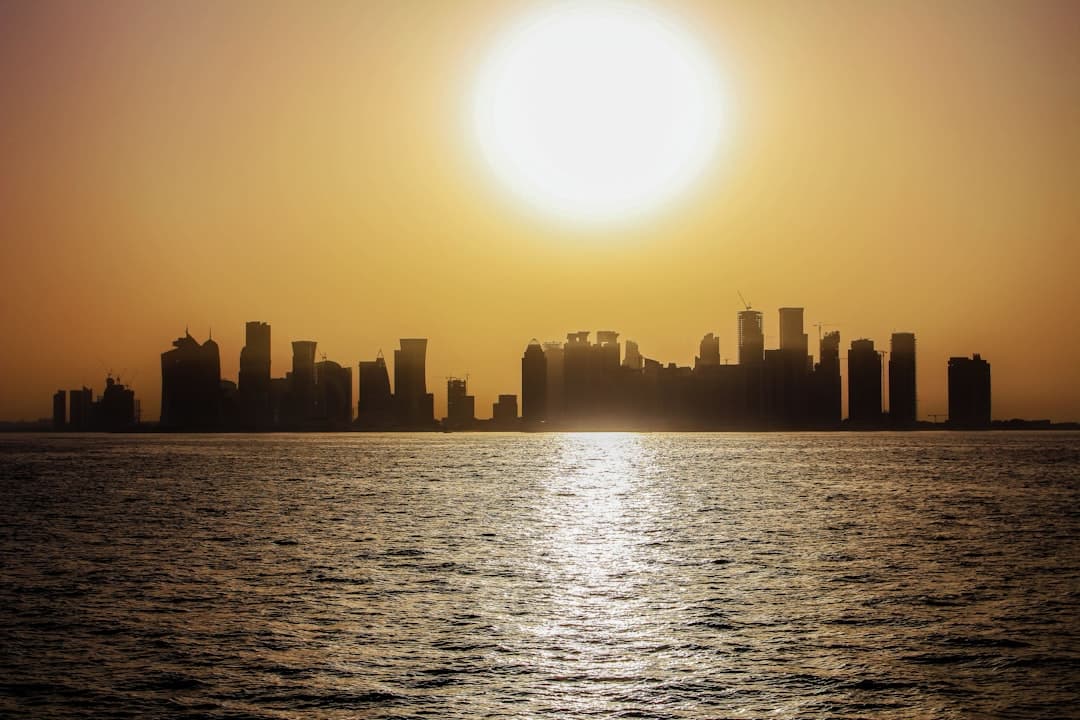
Doha travel guidance outlines safe visits to major landmarks, detailing local customs, transport options, health precautions, and entry requirements for informed planning.
Essential Entry Requirements and Logistics
Passport valid for at least six months is generally required; carry return/onward ticket, hotel reservation confirmation and travel insurance. Expect standard immigration checks and have emergency contact details and digital copies ready.
Visa Regulations and Hayya Card Procedures
Visa requirements vary by nationality; apply for an e-visa when eligible. Hayya Card procedures apply for certain events-upload ID, event tickets and accommodation proof; allow extra processing time during peak periods.
Seasonal Weather Considerations and Best Times to Visit
Weather is extremely hot and humid from June to September; mild, pleasant conditions prevail November-April. Schedule outdoor sightseeing for cooler months and pack sun protection, light clothing and a refillable water bottle.
Summer temperatures often exceed 40°C with high humidity, pushing most activity indoors and making midday outdoor plans uncomfortable. Winter months offer 20-25°C daytime highs and cooler nights ideal for desert excursions, walking tours and outdoor markets. Check Ramadan and public-holiday schedules for reduced opening hours.
Cultural and Historical Landmarks in Doha
Explore Doha's cultural and historical highlights, from traditional markets to monumental museums, offering safe, accessible visits with clear signage, guided tours, and respectful dress codes to follow.
Souq Waqif and the Traditional Falcon Hospital
Souq Waqif bustles with spices, textiles and cafés; nearby the Traditional Falcon Hospital offers supervised demonstrations and insights into falcon care-book tours ahead and follow staff instructions for a safe, respectful visit.
The Museum of Islamic Art and National Museum of Qatar
Museum of Islamic Art displays ceramics, textiles and manuscripts in an architecturally iconic setting, while the National Museum of Qatar uses immersive exhibits to trace local history; both require timed tickets during busy periods.
Architect I.M. Pei's Museum of Islamic Art contains highlights spanning centuries and rotating exhibitions-allow at least two hours, check photography rules, and reserve online for weekends. The National Museum of Qatar features immersive galleries on Bedouin life and modern development; join guided tours for deeper context and follow venue staff for route and safety updates.
Modern Urban Districts and Architectural Wonders
Doha's modern districts merge sleek skyscrapers, waterfront promenades, and public art, offering safe, well-signposted routes for daytime exploration and easy access to transport hubs and visitor services.
The Pearl-Qatar and Lusail Iconic Stadium
Pearl-Qatar's marinas and luxury avenues contrast with Lusail Iconic Stadium's dramatic silhouette; scheduled tours, security checkpoints, and dedicated viewing areas make visits organized and visitor-friendly during events.
Msheireb Downtown and Education City Landmarks
Msheireb Downtown pairs restored heritage homes with smart urban design, while Education City showcases university campuses and cultural venues, both featuring clear pedestrian paths and transit connections for safe touring.
Explore Msheireb's narrow streets, heritage courtyards, and interactive museums to appreciate Qatar's urban renewal; in Education City, plan campus visits around lecture schedules, book museum time slots, use shaded walkways, and rely on metro links and campus shuttles for efficient, low-impact travel.
Safety Standards and Local Regulations
Qatar's safety standards are strictly enforced across transport, hospitality, and public spaces; follow signage and staff directions, carry ID, and comply with health protocols to avoid fines and ensure a smooth visit.
Understanding Cultural Etiquette and Dress Codes
Dress modestly in public, covering shoulders and knees, and adapt at religious sites; women should carry a light scarf for mosques, while avoiding provocative clothing keeps interactions respectful.
Public Conduct Laws and Legal Safety Guidelines
Public displays of affection, drunkenness, and offensive gestures are illegal; obey alcohol rules, never photograph people without consent, and follow police instructions to avoid arrest or fines.
Enforcement is strict: police and security personnel patrol public areas and may issue fines, detention, or deportation for violations. Alcohol consumption is limited to licensed venues and private homes, while purchasing often requires permits for residents. Photographing government or military sites is prohibited, and sexual behavior or public conduct that conflicts with local laws can carry severe penalties.
Efficient Transportation and City Navigation
Doha's transit options - metro, tram, taxis, bikes - make getting around efficient; plan routes, use contactless payments, travel outside peak hours when possible, and keep valuables secured for safer, timely journeys.
Utilizing the Doha Metro and Tram Network
Metro and tram lines are punctual and air-conditioned; buy a travel card or use the official app, wait behind platform lines, use women/family carriages if preferred, and keep bags close to avoid theft during busy times.
Authorized Taxis and Ride-Sharing Safety
Taxis and licensed ride-hailing services provide regulated fares and meter use; confirm driver identity and vehicle details, share trip status with someone, and avoid unmarked or unofficial cars for safer travel.
Ride-hailing apps display driver photo, plate and rating-verify details before entering, sit in the rear seat, use in-app payment when possible, keep receipts, and report safety concerns to the operator or local authorities immediately.
Practical Health and Wellness Tips
Carry basic medicines, sunscreen, and a compact first-aid kit; check vaccination advice before travel and pace sightseeing to avoid exhaustion.
- Pack a refillable water bottle and set reminders to drink.
- Choose SPF 50+ and reapply every two hours.
- Locate nearby pharmacies and know clinic hours.
Heat Protection and Hydration Strategies
Wear breathable, light-colored fabrics, seek shade during peak sun, and drink small amounts of water often to prevent dehydration.
Accessing Medical Facilities and Emergency Services
Locate hospitals, clinics, and 24/7 pharmacies on your route, save emergency numbers, and verify insurance coverage before visiting.
Contact your insurer for direct billing options, note clinics that accept tourists, and carry emergency contacts. Assume that calling 999 will connect you to ambulance and emergency services.
Final Words
Safe travel in Doha requires respect for local customs, awareness of health and security updates, and sensible planning to visit landmarks confidently; follow official guidance, use licensed transport, and schedule visits during appropriate hours for a secure, enjoyable experience.


