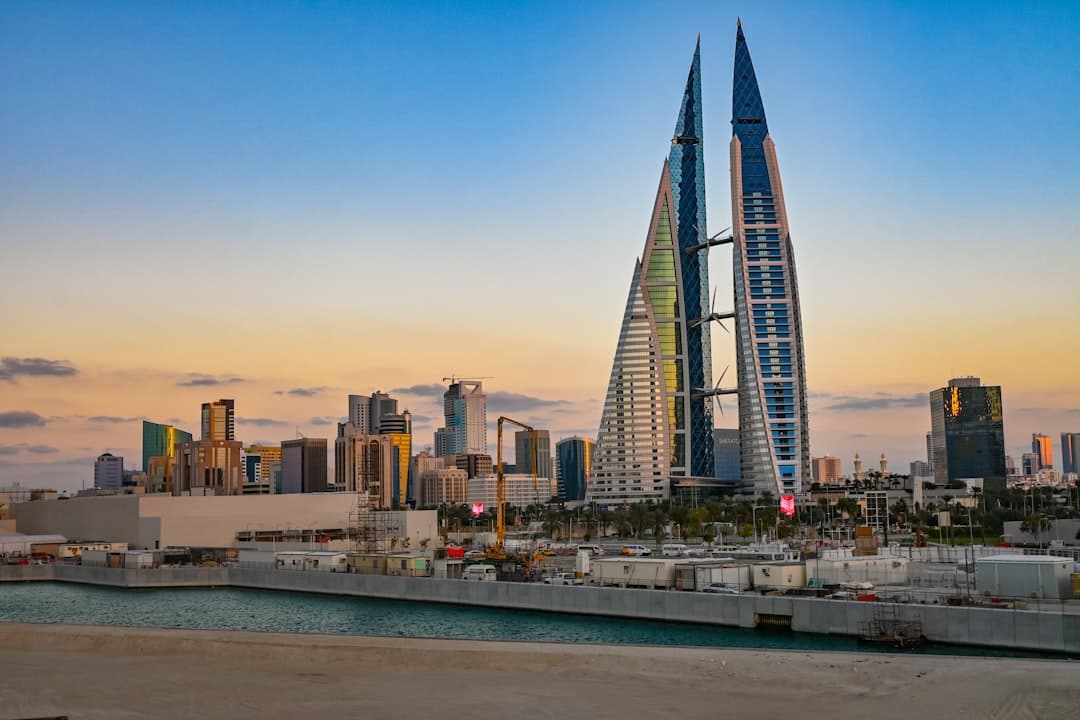
Bahrain has emerged as one of the Gulf region's more active adopters of smart city technology, channeling investment into digital systems designed to improve urban efficiency, public service delivery, and environmental sustainability across its densely populated island territory.
Government-Led Digital Transformation
The Bahraini government has pursued smart city development through its national eGovernment Authority, which oversees the integration of digital platforms into public administration. Initiatives have included the expansion of fiber-optic connectivity, the deployment of Internet of Things (IoT) sensor networks for traffic and utilities management, and the rollout of cloud-based municipal services accessible to residents through unified digital portals.
Bahrain's relatively compact geography — covering just under 800 square kilometers — has allowed authorities to pilot and scale urban technology projects with a speed that larger nations find more difficult to achieve. The capital, Manama, has served as the primary testing ground for smart infrastructure, including intelligent street lighting and real-time waste management monitoring systems.
Transportation and Mobility
Transportation modernization has been a visible pillar of the smart city agenda. Authorities have worked to integrate data-driven traffic management systems aimed at reducing congestion in Manama's densely used road corridors. Smart parking solutions and public transport digitization have also been introduced as part of the broader mobility framework.
Regional Context and Economic Strategy
Bahrain's smart city ambitions align with the kingdom's Economic Vision 2030, a long-term development blueprint focused on reducing oil dependency and building a knowledge-based economy. Technology and innovation have been identified as key sectors for attracting foreign investment and skilled labor.
The kingdom has also cultivated partnerships with international technology firms and development agencies to co-develop urban solutions, positioning Bahrain as a testing hub for emerging technologies suited to mid-sized Gulf cities.
Open Questions
The long-term fiscal sustainability of smart city infrastructure maintenance, data privacy frameworks governing citizen-facing platforms, and the equitable distribution of digital services across all demographic groups remain areas warranting continued public scrutiny.
Sources: Bahrain eGovernment Authority (bahrain.bh), Bahrain Economic Development Board, Bahrain Vision 2030 official documentation, public reporting from Gulf News and Arabian Business.
This article is based on a primary source and has undergone editorial review prior to publication.


