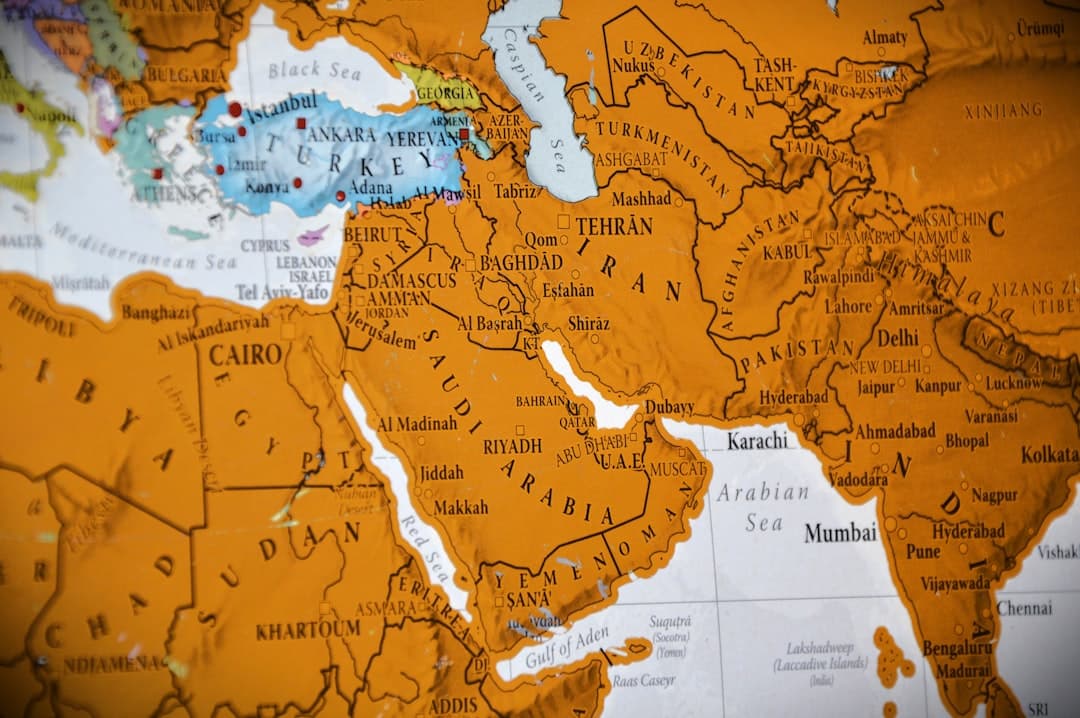
Across the Arabian Peninsula, a reconfiguration of strategic partnerships is underway, driven by economic diversification agendas, security concerns, and a reassessment of longstanding alliances. Gulf Cooperation Council member states — Saudi Arabia, the United Arab Emirates, Qatar, Kuwait, Bahrain, and Oman — have each pursued distinct diplomatic trajectories in recent years, producing a more fragmented yet dynamic regional order.
Energy Ties Expand Into Broader Strategic Frameworks
Agreements that once centered primarily on hydrocarbon exports have evolved to encompass defense cooperation, technology transfers, infrastructure investment, and food security arrangements. The UAE has formalized comprehensive economic partnership agreements with multiple nations across Asia, Africa, and Europe, positioning Abu Dhabi as a hub for trade routes that bypass traditional Western-dominated financial systems.
Saudi Arabia, meanwhile, has advanced its Vision 2030 reform program by attracting foreign investment through sovereign wealth fund partnerships and giga-project collaborations, drawing in stakeholders from East Asia as well as Western economies simultaneously.
Normalization and Realignment
The Abraham Accords, brokered in 2020, introduced a structural shift by normalizing relations between several Arab states and Israel, creating new channels for defense and intelligence cooperation. The subsequent restoration of Saudi-Iranian diplomatic relations, mediated by China in 2023, added another layer of complexity, signaling Gulf states' willingness to engage regional rivals through non-Western diplomatic frameworks.
Qatar's role as both a GCC member and host of a major U.S. military installation, while simultaneously maintaining dialogue with Iran and hosting Hamas political offices, illustrates the deliberate multidirectional positioning now common across the Gulf.
China and the East-West Balancing Act
China's expanding presence — through Belt and Road Initiative investments, port agreements, and arms discussions — has introduced a sustained counterweight to U.S. influence in the region. Gulf governments have demonstrated a consistent preference for engaging both Washington and Beijing without formally aligning with either, a posture that has grown more institutionalized over time.
Open Questions
Whether these overlapping partnerships can remain stable amid competing great-power pressures, and how smaller Gulf states will navigate demands for clearer alignment, remain unresolved dynamics shaping the region's trajectory.
Sources: Gulf Cooperation Council official communications, U.S. Department of State, Carnegie Endowment for International Peace, Arab Gulf States Institute in Washington, Reuters, Al Jazeera English
This article is based on a primary source and has undergone editorial review prior to publication.


