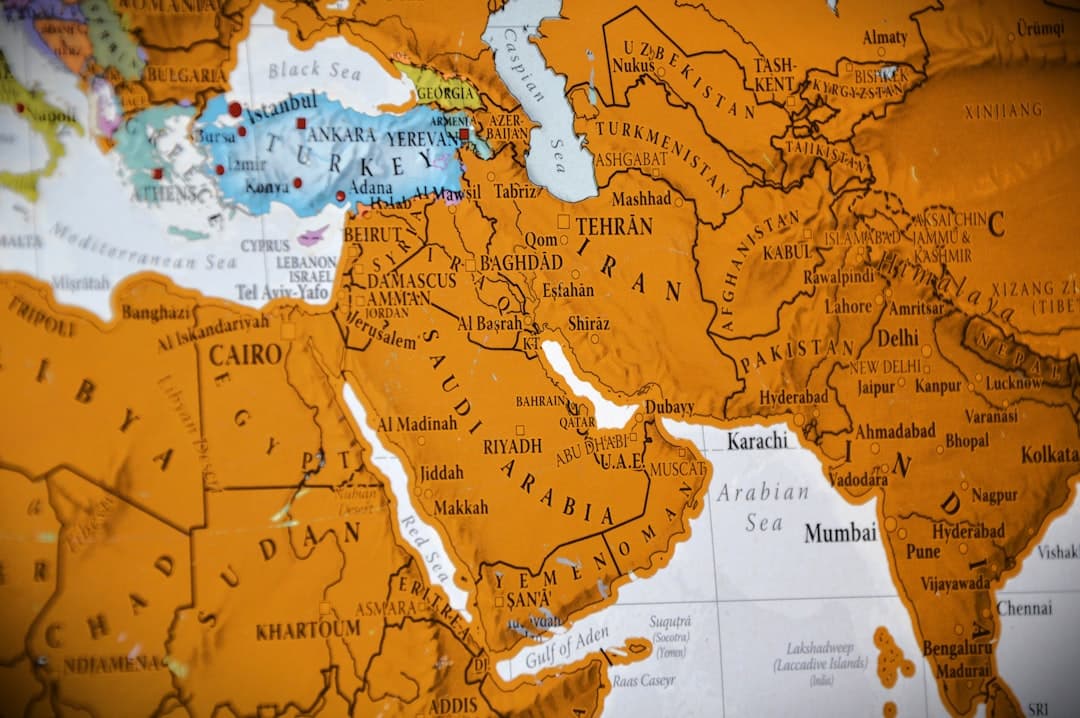
Territorial disputes have shaped Middle Eastern geopolitics for decades, but shifting alliances, resource competition, and renewed armed tensions are pushing several of these conflicts back to the forefront of regional diplomacy.
A Region Defined by Contested Lines
Many of the borders that divide Middle Eastern states were drawn during the era of European colonial administration, with limited consideration for ethnic, tribal, or geographic realities on the ground. The resulting boundaries have been a persistent source of friction, fueling disputes that range from low-level cross-border skirmishes to full-scale military confrontations.
The Saudi-Yemeni border remains one of the most actively contested frontiers in the Arabian Peninsula. Years of conflict involving Houthi forces have blurred effective administrative control along significant stretches of this boundary, complicating any future political settlement in Yemen.
Resource Competition Sharpens Tensions
Disputes over offshore energy resources in the Eastern Mediterranean have drawn in multiple governments, including those of Turkey, Greece, Cyprus, Lebanon, and Israel. Overlapping maritime claims — particularly around exclusive economic zones — have made hydrocarbon exploration a diplomatically charged undertaking. Lebanon's unresolved maritime boundary with Israel drew international attention during negotiations that eventually produced a demarcation agreement, though implementation and broader normalization remain incomplete.
In the Gulf, the boundary between Saudi Arabia and the United Arab Emirates near the Buraimi oasis region has historically been a source of quiet disagreement, even between close allies. Similar low-profile disputes exist across the wider Gulf Cooperation Council.
Domestic Politics Complicate Resolution
Leaders across the region face pressure from nationalist constituencies that resist any territorial concession. This dynamic makes formal border treaties politically costly, even when quiet diplomatic understandings exist. International bodies including the United Nations have had limited success in facilitating binding resolutions, given the resistance of sovereign states to external arbitration.
Regional organizations such as the Arab League have acknowledged these disputes but have rarely produced enforceable outcomes, leaving bilateral negotiations as the primary — and often stalled — mechanism for resolution.
Open Questions
Will normalization frameworks such as the Abraham Accords create new incentives for border demarcation? Can energy revenue-sharing agreements reduce the stakes of maritime boundary disputes? How will non-state armed actors influence territorial claims in post-conflict zones?
Sources: United Nations Cartographic Section, Arab League official communications, U.S. Energy Information Administration regional reports, Council on Foreign Relations Middle East backgrounders, BBC Middle East archives.
This article is based on a primary source and has undergone editorial review prior to publication.


