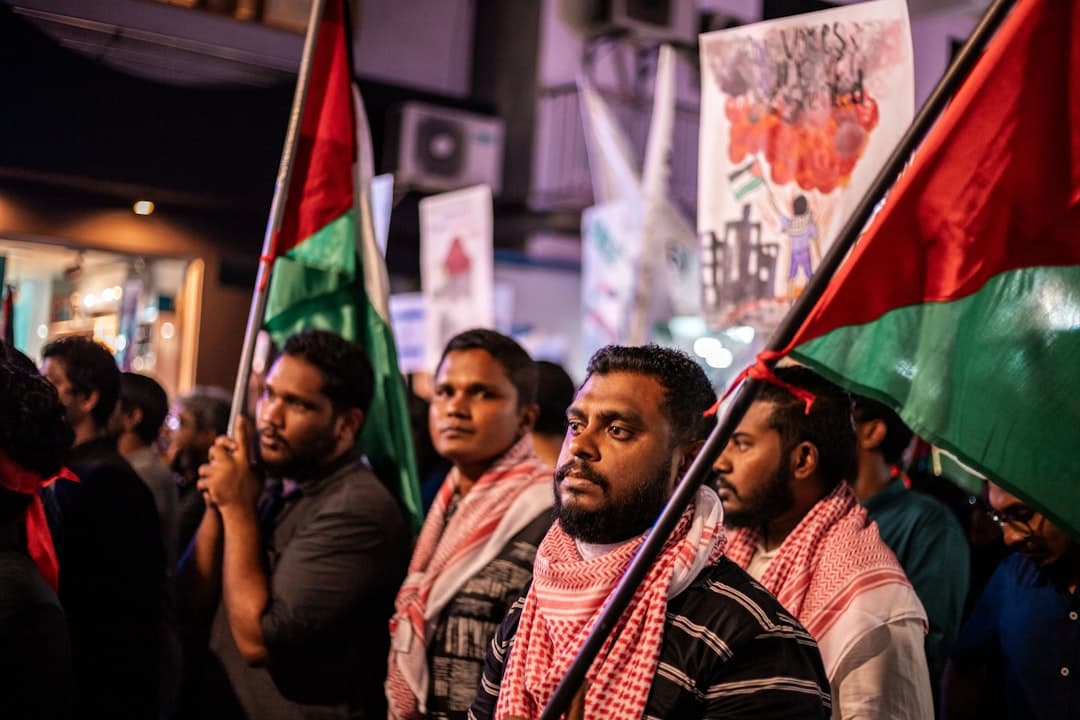
The Middle East has one of the youngest population profiles in the world, and that demographic reality is increasingly reflected in the region's political dynamics. In countries stretching from Morocco to Iran, organized youth movements have pushed governance, accountability, and civil liberties to the forefront of public discourse.
From the Streets to Social Media
The Arab Spring of the early 2010s marked a watershed moment, demonstrating that coordinated youth mobilization could topple long-entrenched governments. While the outcomes of those uprisings varied dramatically by country, the period established a template for youth-driven political action that subsequent generations have continued to adapt.
Digital platforms have become central infrastructure for organizing. In countries where traditional media remains state-controlled or heavily restricted, encrypted messaging applications and social networks allow activists to coordinate demonstrations, document human rights conditions, and reach international audiences. Governments across the region have responded with internet shutdowns, surveillance programs, and legislation targeting online speech.
Structural Pressures Fueling Activism
Economic frustration remains a consistent driver of youth mobilization. High unemployment rates among educated young people, housing unaffordability, and limited pathways into formal political institutions have contributed to repeated cycles of public unrest in Lebanon, Iraq, Sudan, and Iran, among others.
In Lebanon, the 2019 protest movement drew heavily from younger demographics who organized across sectarian lines — a notable departure from the country's historically divided political culture. In Iraq, similar cross-sectarian youth coalitions emerged during the same period under the banner of the Tishreen movement.
Responses from Established Power Structures
State responses have ranged from targeted concessions to systematic crackdowns. Some governments have introduced limited reform packages following sustained pressure, while others have pursued mass arrests, travel bans, and forced disappearances of prominent activists. International human rights organizations have documented these patterns extensively across multiple countries in the region.
The long-term political impact of these movements remains unresolved in most cases, as institutional change has proven difficult to secure even where popular pressure has been sustained.
Open Questions
Will youth movements translate street-level mobilization into durable institutional representation? How will governments balance security concerns with the demands of a growing, politically aware young population? And to what extent will regional solidarity among youth activists develop into coordinated cross-border campaigns?
Sources: Human Rights Watch, Amnesty International, Carnegie Endowment for International Peace, United Nations Population Fund (UNFPA), Arab Barometer research network, International Crisis Group.
This article is based on a primary source and has undergone editorial review prior to publication.


