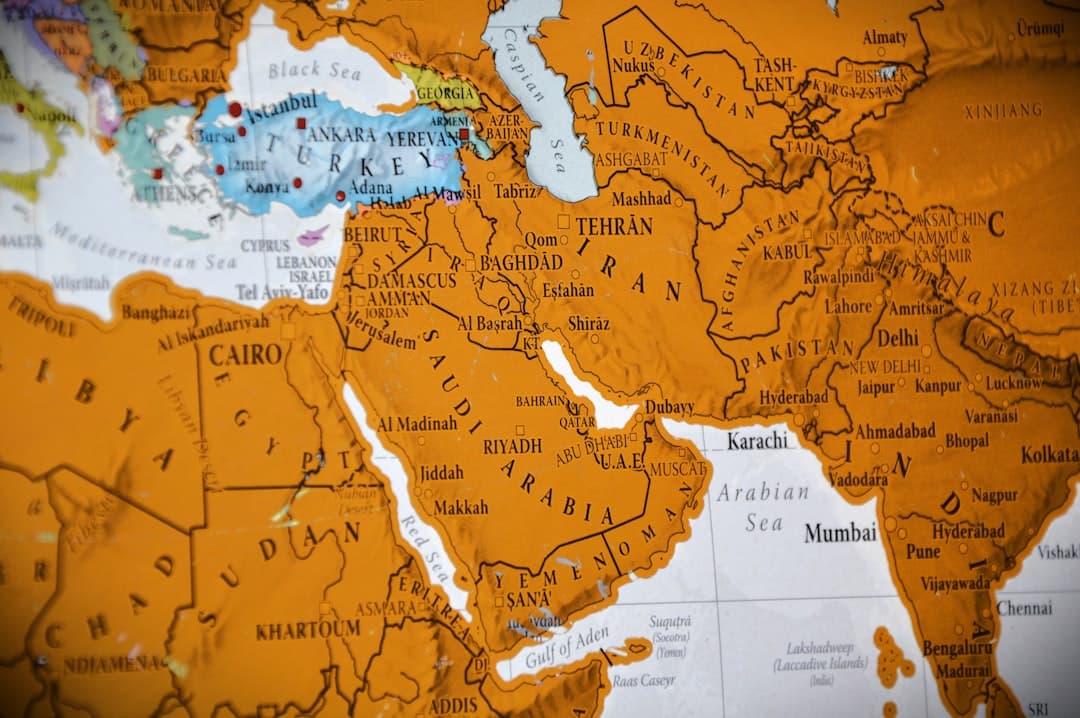
A series of diplomatic shifts across the Middle East has begun to redraw political relationships that remained largely fixed for decades, reflecting both internal pressures within individual states and broader changes in the international order.
Normalization and Its Ripple Effects
The Abraham Accords, brokered in 2020, formalized diplomatic relations between Israel and several Arab states including the United Arab Emirates, Bahrain, Sudan, and Morocco. Those agreements signaled a broader willingness among regional governments to prioritize economic and security interests over longstanding political positions, particularly regarding the Palestinian question. The accords have since generated sustained debate among Arab governments and populations about the future trajectory of regional diplomacy.
Iran, Saudi Arabia, and a Cautious Détente
Among the most consequential recent developments was the China-brokered agreement in 2023 in which Saudi Arabia and Iran agreed to restore diplomatic relations after a rupture that had persisted since 2016. The deal, reached in Beijing, underscored China's growing ambition to expand its diplomatic footprint in the region while highlighting a pragmatic shift in Saudi foreign policy calculations. Both countries have since reopened embassies, though underlying tensions over regional influence remain unresolved.
Turkey and Egypt Rebuild Ties
Turkey and Egypt, whose relationship deteriorated sharply following the 2013 Egyptian political transition, have moved to normalize diplomatic ties in recent years. High-level exchanges and the restoration of ambassadors reflect a mutual interest in stabilizing bilateral trade and managing shared concerns around Libya and the Eastern Mediterranean.
The United States and a Changing Footprint
Washington's strategic posture in the region has evolved considerably, with an increased focus on Indo-Pacific priorities leading Gulf partners to diversify security relationships with powers including China, Russia, and European states. This recalibration has accelerated efforts among Gulf Cooperation Council members to pursue more independent foreign policies.
Open Questions
How durable are the Saudi-Iran normalization efforts given continued proxy conflicts in Yemen and elsewhere? Can the Abraham Accords expand further amid ongoing Israeli-Palestinian tensions? What role will China sustain as a diplomatic actor in a region traditionally dominated by Western influence?
Sources: U.S. Department of State, Arab News, Al Jazeera, Reuters, BBC, Carnegie Middle East Center, Council on Foreign Relations
This article is based on a primary source and has undergone editorial review prior to publication.


