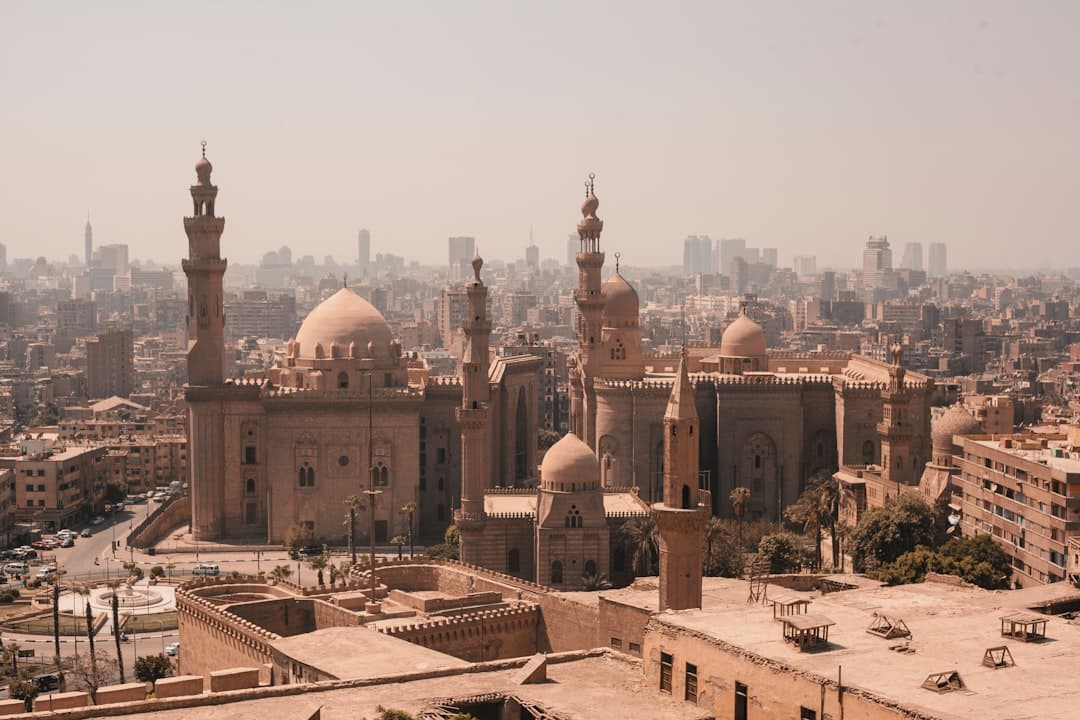
Across the Middle East, parliamentary institutions have undergone notable structural and procedural changes in recent years, as governments respond to both domestic pressures and broader regional instability. The shifts reflect an evolving relationship between ruling authorities and elected bodies in countries where the balance of power has historically favored executive branches.
Electoral Reforms and New Legislation
Several countries in the region have amended electoral laws, adjusting constituency boundaries, candidate eligibility criteria, and voting mechanisms. In Jordan, periodic electoral reforms have aimed to increase representation for underrepresented communities, while Iraq's parliament has navigated complex coalition negotiations following contested election cycles. Lebanon's legislature has continued to grapple with sectarian power-sharing arrangements that critics argue obstruct effective governance.
Cabinet and Coalition Dynamics
Coalition governments in Iraq and Israel have historically proven fragile, with parliamentary blocs dissolving and reforming around shifting political alliances. Israel's Knesset has experienced repeated electoral cycles within short intervals, underscoring the difficulty of forming stable governing majorities. These patterns have drawn attention to the structural challenges embedded within proportional representation systems operating in deeply divided societies.
Gulf States and Consultative Bodies
In Gulf Cooperation Council states, consultative assemblies such as Saudi Arabia's Shura Council and Qatar's Advisory Council have expanded their formal advisory roles, though both remain appointed or partially elected bodies with limited legislative authority. Bahrain's bicameral parliament continues to function within a constitutional monarchy framework where elected and appointed chambers share responsibilities.
Broader Implications
Observers of regional governance have noted that parliamentary reform efforts often coincide with economic stress, youth demographic pressures, or post-conflict stabilization processes. Whether these changes translate into substantive shifts in policy outcomes remains a subject of ongoing scrutiny by civil society organizations and international monitoring bodies.
Open Questions
Will expanded consultative roles in Gulf assemblies eventually evolve into fuller legislative authority? Can fragmented parliaments in Iraq and Lebanon produce durable governing coalitions capable of addressing economic crises?
Sources: Arab Center Washington DC, Carnegie Middle East Center, Inter-Parliamentary Union, Reuters Middle East, Al-Monitor
This article is based on a primary source and has undergone editorial review prior to publication.


